CPPE tells Tinubu, gains of fiscal and tax reforms valueless; “prioritise roads, power, ports, and digital infrastructure to reduce cost of doing business“
By Jeph Ajobaju, Chief Copy Editor
*******************************
Rising inflation, that stood at 21.12 per cent in September, and currency depreciation (at N1,455 per dollar last Friday) have eroded the real value of the gains of fiscal reforms in the past two years.
Nigeria’s budget of $36.7 billion remains relatively small – compared to South Africa ($141 billion), Algeria ($126 billion), and Egypt ($91 billion) – and limits fiscal capacity for transformative investment in infrastructure, human capital, and social welfare for citizens ….
Nigeria’s fiscal and tax reforms have delivered important progress in expanding revenue and improving fiscal sustainability. The next phase must focus on deepening revenue diversification, enhancing spending efficiency, and aligning fiscal outcomes with real economic performance.
With prudent management, stakeholder collaboration, and social sensitivity, these reforms can lay a solid foundation for a more resilient, productive, and inclusive Nigerian economy – CPPE.
*******************************
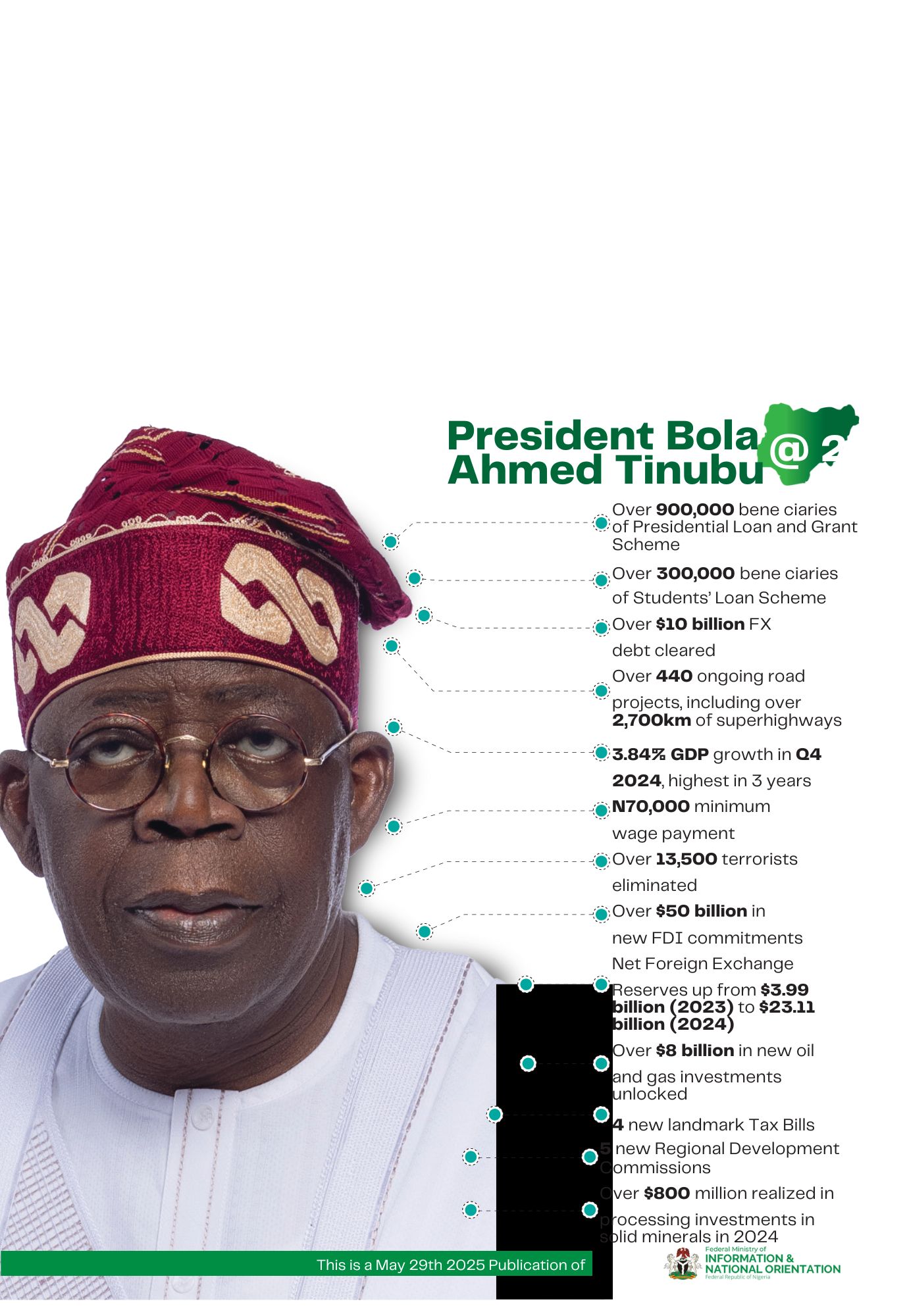
Rising inflation and naira depreciation have eroded the real value of whatever may have been the gains of fiscal and tax reforms in Nigeria on the watch of Bola Tinubu, says the Centre for the Promotion of Private Enterprise (CPPE).
CPPE Chief Executive Officer Muda Yusuf noted that two policy measures – removal of fuel subsidy and unification of foreign exchange (forex) rates – effected by the President have boosted government revenue, expanded fiscal space, and improved capacity for public investment.
Nigeria has also witnessed improved collections from Value Added Tax (VAT) and Company Income Tax (CIT), which, in his view, reflect stronger compliance and a gradual recovery in economic activities.
Subnational governments are reporting higher revenues and increased allocations to agriculture, infrastructure, and social development, Yusuf added in a statement.
But, he stressed, rising inflation, that stood at 21.12 per cent in September, and currency depreciation (at N1,455 per dollar last Friday) have eroded the real value of the gains of fiscal reforms in the past two years.
CPPE explained that Nigeria’s budget of $36.7 billion remains relatively small – compared to South Africa ($141 billion), Algeria ($126 billion), and Egypt ($91 billion) – and limits fiscal capacity for transformative investment in infrastructure, human capital, and social welfare for citizens.
It urged federal and state governments to focus on priorities such as roads, power, ports, and digital infrastructure to reduce the cost of doing business and improve competitiveness.
Going forward
“Measure Fiscal Gains Realistically: Adjust fiscal assessments for inflation and exchange rate effects; communicate outcomes transparently,” Yusuf said.
“Broaden and Diversify the Revenue Base: Improve tax efficiency, expand the tax net, and optimise non-tax revenues and national assets.
“Prioritise High-Impact Spending: Focus on infrastructure, food systems, productivity, and security.
“Strengthen Subnational Fiscal Capacity: Support fiscal autonomy, accountability, and efficient resource use in states.
“Implement Tax Reforms with Flexibility: Maintain continuous dialogue with stakeholders and refine policies as needed.
“Reinforce Fiscal Discipline: Ensure strict adherence to fiscal responsibility frameworks across all levels of government.
“Nigeria’s fiscal and tax reforms have delivered important progress in expanding revenue and improving fiscal sustainability. The next phase must focus on deepening revenue diversification, enhancing spending efficiency, and aligning fiscal outcomes with real economic performance.
“With prudent management, stakeholder collaboration, and social sensitivity, these reforms can lay a solid foundation for a more resilient, productive, and inclusive Nigerian economy.”
Read also:
Tinubu’s denial notwithstanding, World Bank doubles down on Nigeria’s galloping poverty rate
Open publish panel
- Post