
Battle for the Strait of Hormuz: A new endless vicious cycle of escalation
By Uche J. Udenka
Who controls Hormuz could shape the future of global energy, finance and power.
The world’s most dangerous waterway is becoming the centre of a new global power struggle.
For decades, the Strait of Hormuz has been one of the world’s most strategically important waterways. Today, it is once again at the centre of global geopolitics. What began as another chapter in the long-running confrontation between the United States and Iran is rapidly evolving into something far more consequential: a struggle over who shapes the future of the global energy market, the international financial system, and the emerging world order. The US-Iran conflict is spiralling in the wrong direction. Every military strike invites retaliation. Every retaliation produces another justification for escalation. The result is an endless vicious cycle in which neither side can easily claim victory, yet both possess the capacity to inflict enormous costs on the global economy. The battlefield is no longer confined to missiles, drones, or airstrikes. It now encompasses shipping lanes, oil markets, financial systems, cyber warfare, and diplomatic alliances. The original American objective appeared relatively straightforward. Washington sought to weaken Iran’s military capabilities, decapitate its leadership, discourage any pursuit of nuclear weapons, and, according to many analysts, create conditions favourable for regime change. The expectation was that sustained military and economic pressure would force Tehran into submission or compel political transformation from within.
Reality has proved considerably more complex.
The war is no longer about Iran alone — it is about who writes the rules of the new world order.
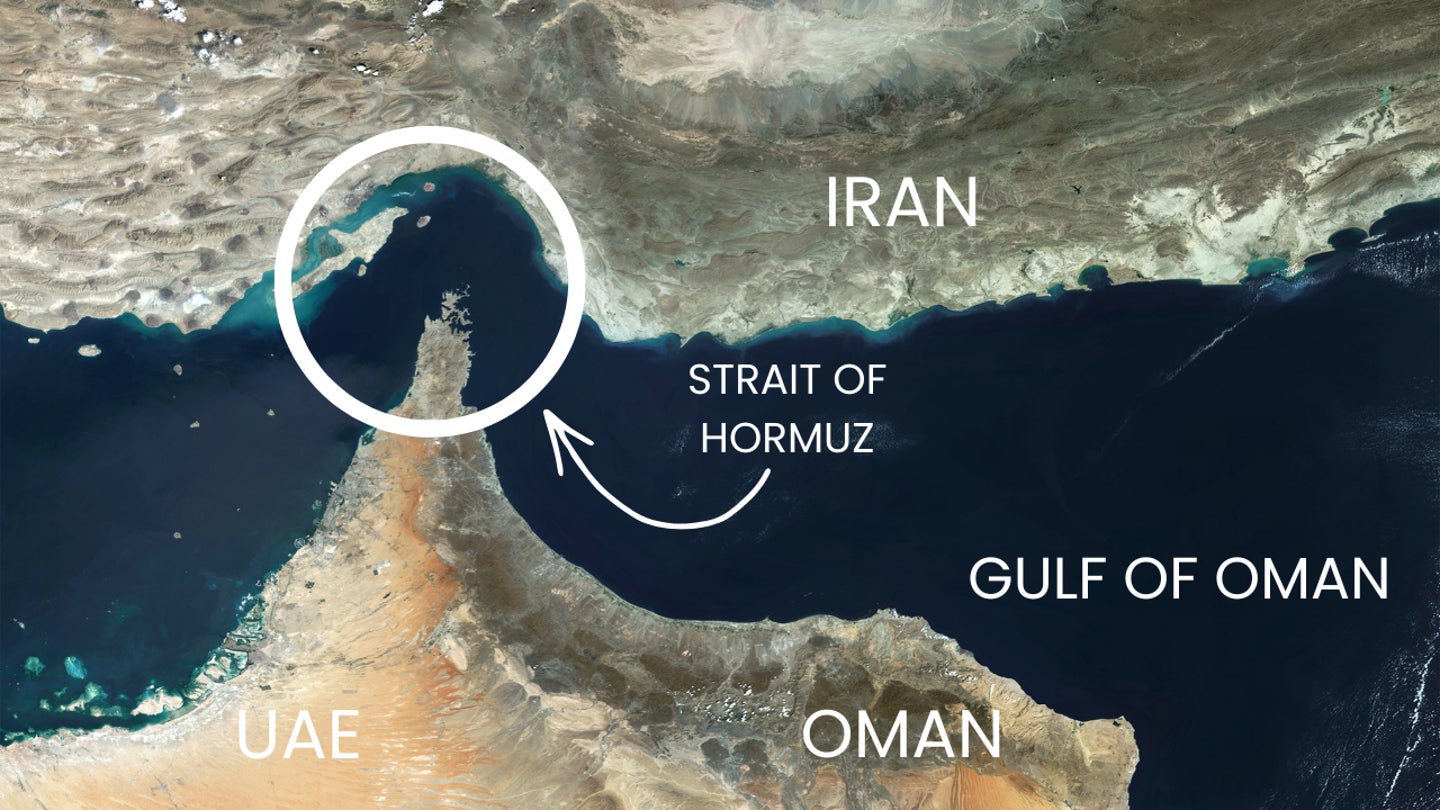
Instead of collapsing, Iran has adapted. Years of sanctions have pushed Tehran to develop alternative economic networks, strengthen ties with China and Russia, expand regional proxy alliances, and improve its asymmetric military capabilities. Rather than producing strategic surrender, sustained pressure has arguably increased Iran’s determination to resist American influence. The conflict has therefore entered a dangerous new phase. Today, the central question is no longer simply whether Iran possesses nuclear ambitions. The more immediate issue is whether Iran can use geography as its most powerful strategic weapon. That geography is the Strait of Hormuz. This narrow waterway separates the Persian Gulf from the Gulf of Oman and the Arabian Sea. Yet despite its modest width, it carries a significant share of the world’s seaborne crude oil and liquefied natural gas exports. Energy from Saudi Arabia, Iraq, Kuwait, the United Arab Emirates, Qatar and Iran itself passes through this maritime corridor before reaching Asian, European and global markets.
In geopolitical terms, Hormuz is not merely a shipping route. It is an economic pressure point capable of influencing inflation, fuel prices, financial markets and government budgets across the world. Should military confrontation disrupt commercial navigation, the consequences would be immediate. Insurance premiums for vessels would soar. Shipping companies would reroute or suspend operations. Oil prices would likely surge, increasing transportation costs worldwide. Inflation, which many advanced economies have struggled to contain in recent years, could return with renewed force. This is precisely why the battle over Hormuz extends beyond regional politics. It has become a contest over the architecture of the global economy itself. The United States seeks to preserve freedom of navigation, protect international energy supplies, reassure Gulf allies and maintain its credibility as the principal guarantor of maritime security.
Iran, by contrast, understands that it cannot compete directly with American conventional military superiority. Instead, it seeks leverage through strategic uncertainty. The mere possibility that Hormuz could be disrupted grants Tehran considerable bargaining power, even if complete closure would also harm Iran’s own economy. The psychological impact often matters almost as much as actual military action. Financial markets react not only to events but to expectations. A rumour of conflict can move oil prices by several dollars per barrel. Investors flee towards safe-haven assets. Stock markets decline. Governments begin releasing strategic petroleum reserves. Central banks reassess inflation forecasts. Thus, even limited escalation in the Gulf reverberates throughout the international financial system. This explains why the struggle increasingly concerns not simply military dominance but economic influence. Behind the visible military confrontation lies a quieter contest over the future of global finance. Western sanctions have encouraged countries such as Iran, Russia and, to varying degrees, China to explore alternatives to dollar-based trade mechanisms. Bilateral currency agreements, new payment systems and efforts to reduce dependence on the US financial infrastructure have gathered momentum. The more Washington relies on sanctions as a geopolitical weapon, the greater the incentive for rival powers to construct parallel financial institutions. The conflict over Hormuz therefore intersects with a broader debate about whether the post-Cold War international order is gradually giving way to a more fragmented multipolar system.
China’s role further complicates the equation.
The new cold war is being fought through oil, shipping lanes and financial power.
As the world’s largest importer of crude oil, Beijing has a direct interest in uninterrupted energy supplies from the Gulf. It seeks regional stability but also views growing American military commitments as opportunities to expand its own diplomatic and economic influence. Through infrastructure investment, energy partnerships and strategic mediation, China increasingly presents itself as an alternative power broker. Russia likewise benefits whenever geopolitical uncertainty weakens Western unity or diverts American strategic attention from Europe and Eastern Europe. The result is that what appears to be a bilateral US-Iran confrontation increasingly reflects a much broader competition among global powers. Ironically, every escalation risks producing outcomes opposite to those originally intended. Attempts to isolate Iran have accelerated its strategic partnerships elsewhere. Military pressure has encouraged greater investment in asymmetric warfare. Sanctions have stimulated discussions about alternatives to the dollar. Regional insecurity has elevated the geopolitical importance of emerging powers seeking to mediate or exploit the crisis. None of this suggests that Iran is without responsibility. Tehran’s support for armed regional groups, confrontational rhetoric and willingness to use strategic ambiguity contribute significantly to instability. Equally, American military interventions and maximalist pressure campaigns have often generated unintended consequences that outlast immediate tactical successes.
Both sides have become trapped in a dangerous escalation dynamic.
Beyond missiles and sanctions lies the real prize: Control of the global energy order.
Each believes that demonstrating resolve will restore deterrence. Yet each retaliatory action convinces the other that further escalation is necessary. This logic transforms crises into prolonged confrontations with increasingly unpredictable consequences. The greatest danger is not necessarily a full-scale regional war. It is the gradual normalization of permanent instability. Global energy markets can tolerate occasional disruptions. What they cannot easily absorb is persistent uncertainty. Investors, manufacturers and governments make long-term decisions based upon predictable rules. Endless geopolitical confrontation undermines precisely that predictability. Ultimately, the battle over the Strait of Hormuz is about far more than one narrow channel of water. It symbolises a larger struggle over who will shape the rules governing energy security, financial power, maritime trade and geopolitical influence in the twenty-first century. The United States seeks to preserve an international order it has largely led since the end of the Second World War. Iran seeks strategic autonomy and leverage against overwhelming military superiority. China and Russia see opportunities within shifting global power dynamics. Energy-importing nations simply hope that commerce continues uninterrupted.
The Strait of Hormuz has therefore become more than a geographical chokepoint. It is now a geopolitical fault line where military strategy, global finance, energy security and great-power competition converge. How this contest evolves will shape not only the future of the Middle East but also the stability of the global economic order itself.
- Arc. Uche J. Udenka, social and political analyst – #AfricaVisionAdvancementTrust – is the C.E.O. Igbo Renaissance Awakening.