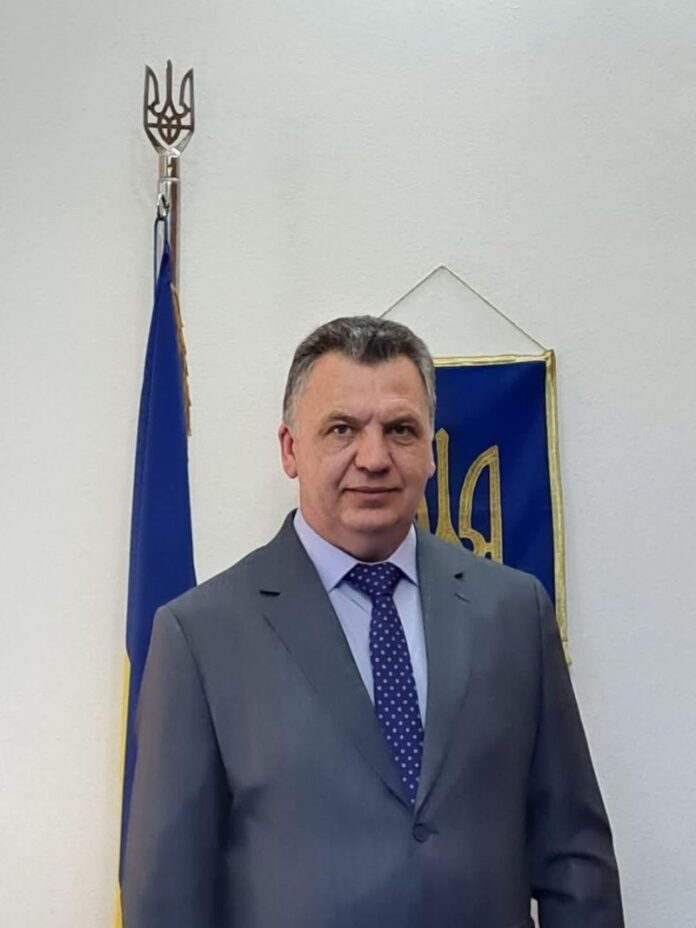
On Monday, June 2, Russia told Ukraine at peace talks in Istanbul, Turkey that it would only agree to end the Russo-Ukraine War if Kyiv gives up big new chunks of territory and accepts limits on the size of its army. The terms, formally presented at the negotiations, highlighted Moscow’s refusal to compromise on its longstanding war goals despite calls by U.S. President Donald Trump to end the “bloodbath” in Ukraine. Delegations from the warring sides met for barely an hour, for only the second such round of negotiations since March 2022. The Russian memorandum, which was published by the Interfax news agency, said a settlement of the war would require international recognition of Crimea – a Ukrainian peninsula annexed by Russia in 2014 – and four other regions of Ukraine – Luhansk, Donetsk, Zaporizhzhia and Kherson – that Moscow has claimed as its own territory. Ukraine would have to withdraw its forces from all of them. But Ukrainian ambassador to Nigeria, Mr. Ivan Kholostenko, says Russia’s terms for ceasefire are nonstarters. He spoke in an exclusive interview with IKECHUKWU AMAECHI.
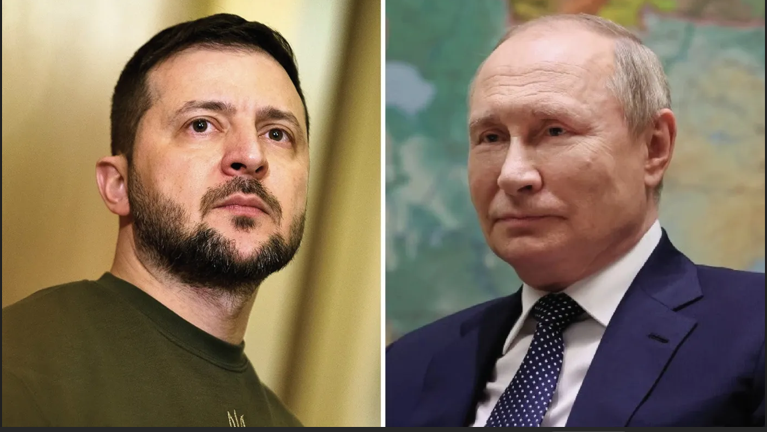
Russia is insisting that for the war to end, Ukraine must give up big new chunks of territory and accept limits on the size of its army, among other consequential demands. How realistic are those demands?
The document Russia presented during the second Istanbul meeting did not show any meaningful evolution. Despite promising the United States to bring more constructive proposals, Russia returned with the same outdated ultimatums and maximalist demands that mirror its positions from 2022. There was no flexibility, no realism, and no genuine will to move toward peace. This demonstrates how disconnected the Russian leadership remains from both the needs of the Ukrainian people and the broader international consensus.
Would you then consider an acceptance of those conditions a surrender by Ukraine?
Yes. Acceptance of such terms would not constitute peace — it would amount to surrender, legitimisation of aggression, and a green light for further expansionism. Ukraine has consistently made it clear that peace must be just, durable, and based on international law. Capitulation is not an option, nor would it bring lasting stability to the region or the world.
READ ALSO: If Russia’s goal was to exhaust, break Ukraine’s will, it has failed – Ambassador Ivan Kholostenko
By insisting on those terms, does Ukraine feel vindicated in her claim that Putin never wanted peace ab-initio?
The conduct of the Russian delegation — offering no response to Ukraine’s serious and constructive peace proposal, and recycling the same preconditions used to justify full-scale war — only reaffirms what Ukraine and many partners have long believed: that the Kremlin is not sincerely seeking peace. The fact that Russia continues to reject a full and unconditional ceasefire speaks volumes.
Shouldn’t Putin’s behaviour indicate to President Trump that he is not a man to be trusted?
It is not for us to comment on how individual leaders choose to assess President Putin. What we can say is that the global record is clear: Russia promised to make its stance more flexible in Istanbul and failed to do so. It has violated countless agreements and continues to act with impunity. We trust that anyone seriously engaged in peacemaking, including President Trump, will draw the appropriate conclusions based on facts and actions, not words alone.
Shouldn’t Trump change strategy in dealing with Putin?
Ukraine respects the sovereign decisions of all our partners, including past and present U.S. administrations. However, the only strategy that has proven effective against Russian aggression is unity, strength, and clarity of purpose. Any negotiation strategy must begin from the premise that peace cannot be built on coercion, falsehoods, or the erasure of sovereign nations. Ukraine appreciates all efforts aimed at achieving peace through such principles.
Now that Ukraine has signed the vexatious minerals deal with the U.S., isn’t Trump obligated to defend Ukraine?
Ukraine has long been open to mutually beneficial cooperation with the United States across energy, technology, and critical resources. These partnerships are transparent, lawful, and strategic. While no country is obligated by any single deal to defend another, we believe shared interests and shared values naturally foster shared responsibilities. Ukraine continues to count on U.S. support in defending international law and resisting aggression.
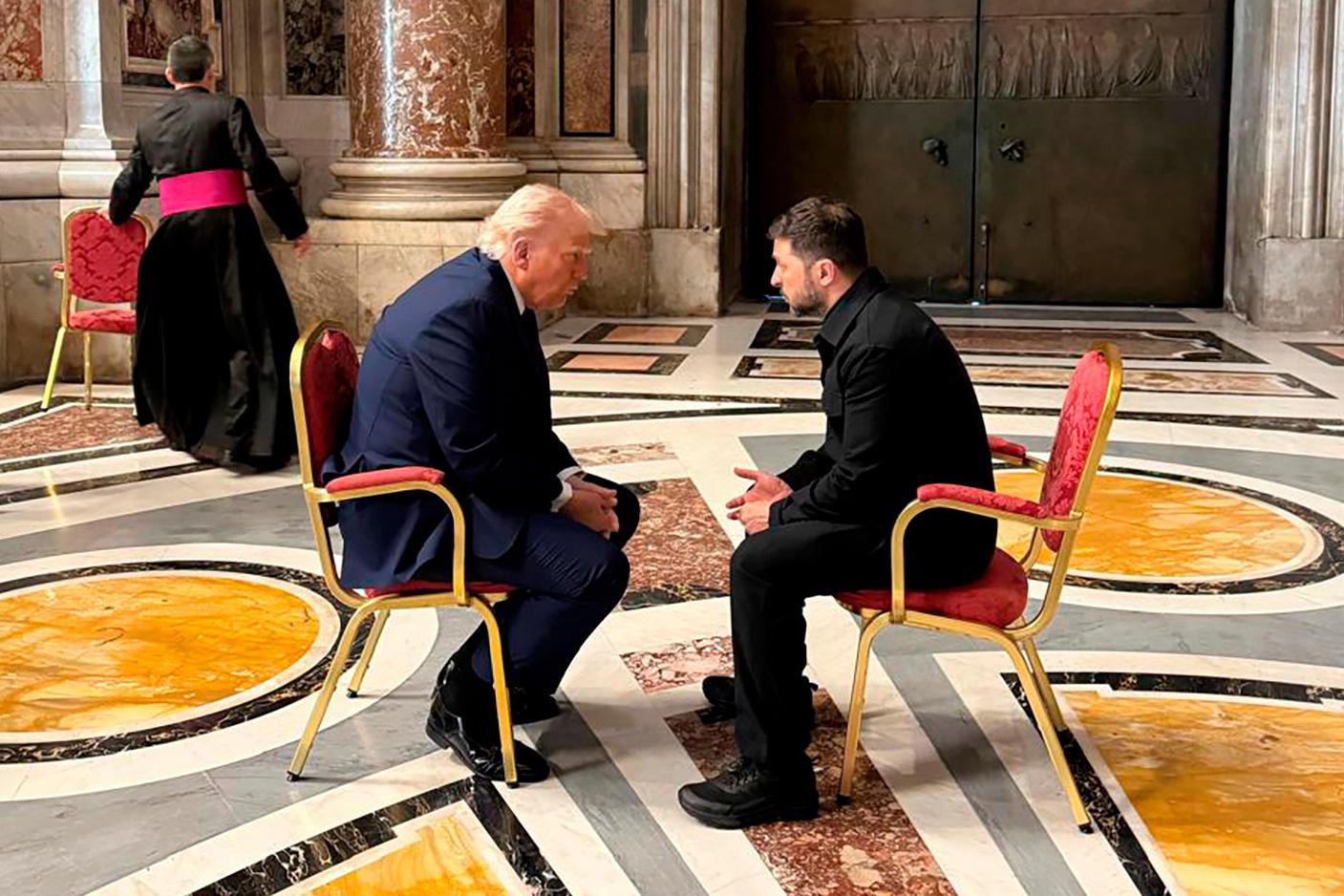
What is Ukraine’s request from the international community in the face of Russia’s recalcitrance?
Ukraine’s request remains unchanged: we call on the international community to demand a full, unconditional ceasefire as the first step toward peace. We ask for continued diplomatic, economic, and security support. We urge global actors not to reward aggression but to stand united in defense of the UN Charter, sovereignty, and human life. The Istanbul process proved once again: we are ready for peace, but peace requires a willing partner.