A fracture line in Western unity
By Uche J. Udenka
The Strait of Hormuz is no longer just oil — it is the fault line of Western unity
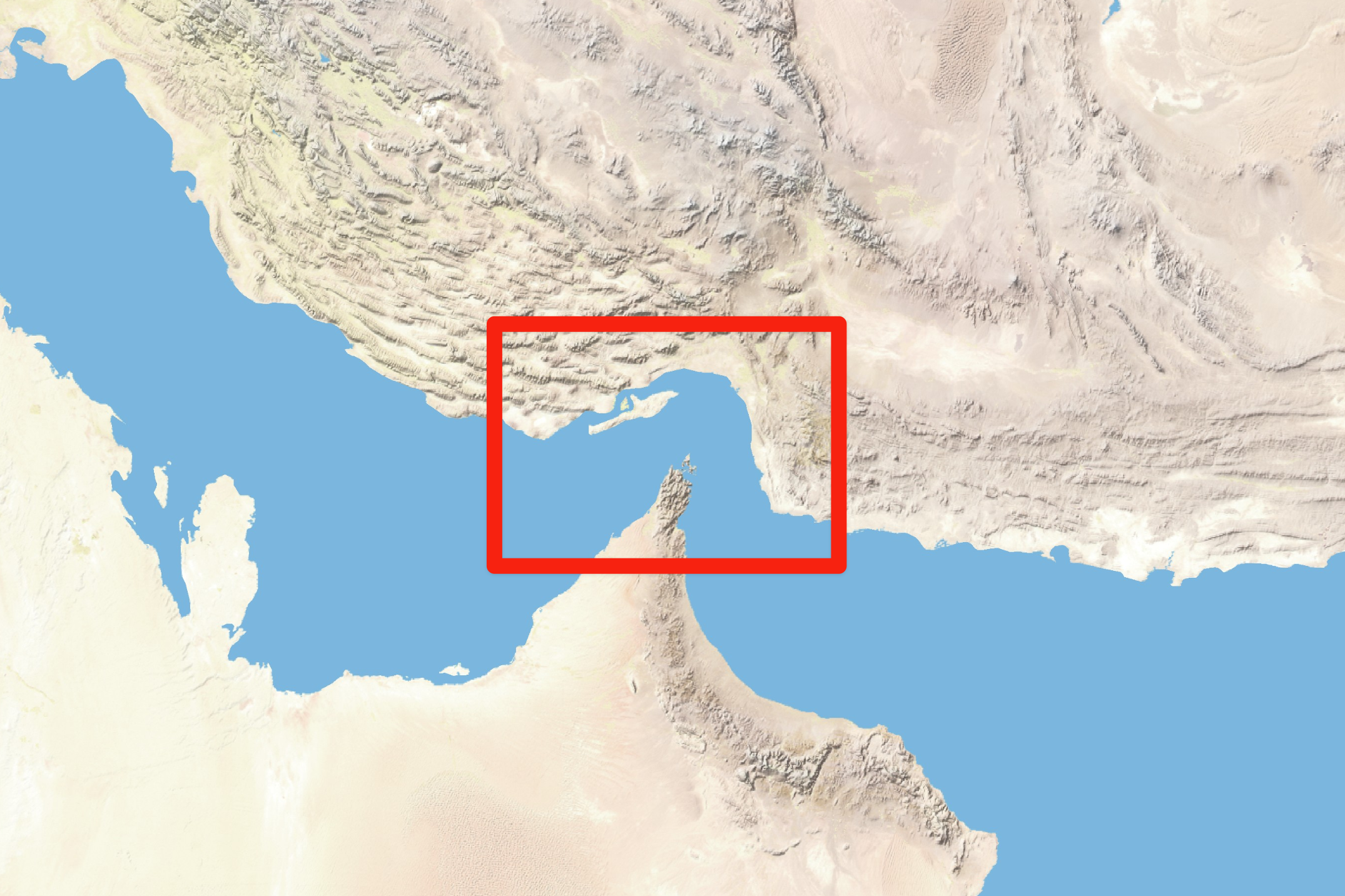
The Strait of Hormuz has always been more than a narrow stretch of water. It is the world’s most sensitive economic artery — a chokepoint through which a significant share of global oil and gas flows. But today, it is no longer just about energy. It has become a test of Western unity, a mirror reflecting deepening fractures within the transatlantic alliance. At the center of this tension lies a fundamental question: What happens when the United States acts, but its allies hesitate — or outright refuse to follow? The current standoff exposes a truth long whispered but rarely confronted: the West is no longer as united as it appears. Beneath the surface of shared values and historic alliances, there is growing distrust, diverging priorities, and a widening gap in strategic judgment.
A war without consensus
One of the clearest reasons NATO allies are reluctant to support a forced reopening of the Strait of Hormuz is simple: they were not consulted. For an alliance built on collective defense and shared decision-making, unilateral action by the United States undermines the very foundation of trust. NATO was designed not as a tool of convenience, but as a mechanism for coordinated response. When Washington bypasses that mechanism, it sends a message — intentional or not — that alliance input is optional. This is not just a procedural complaint. It is a strategic rupture. European powers, already wary from past experiences, are increasingly unwilling to be drawn into conflicts they neither shaped nor endorsed. The memory of previous interventions — where optimism outpaced reality — still lingers. The result is a cautious, even skeptical Europe that now asks: Why should we carry the consequences of decisions we did not help make?
The Strait: More than a military problem
The idea of forcibly opening the Strait of Hormuz may appear straightforward from a military standpoint. Secure the waterway. Neutralize threats. Ensure the flow of oil. Mission accomplished. But reality is far more complex. The Strait is not just a battlefield — it is an economic nerve center. Any escalation risks triggering a cascade of consequences: skyrocketing oil prices, disrupted supply chains, rising inflation, and economic instability that would reverberate far beyond the Middle East. NATO allies understand this. For them, the question is not whether the Strait should remain open — it must — but whether military escalation is the right tool to achieve that goal. There is deep concern that a forced opening could ignite a prolonged conflict with no clear end. Iran’s asymmetric capabilities — its use of proxies, drones, missiles, and maritime disruption tactics — mean that any confrontation could quickly expand beyond the Strait itself. In other words, what begins as an operation to secure a shipping lane could evolve into a regional war with global consequences.
Strategic uncertainty and the fear of the unknown
Another key factor driving allied hesitation is uncertainty. Wars are rarely predictable, but this particular confrontation carries an unusually high level of ambiguity. How long would it last? What would constitute victory? What would be the cost? There are no clear answers. For European nations already grappling with economic pressures and domestic political challenges, the prospect of entering an open-ended conflict is deeply unappealing. The risk is not just military — it is political and economic. Leaders must consider public opinion, energy security, and fiscal stability. A prolonged crisis in the Strait of Hormuz could strain all three. This uncertainty creates a powerful incentive to avoid escalation, even if it means appearing hesitant or divided.
READ ALSO: A war without one vision
Strait of Hormuz: Where geography, strategy and power collide
From Greenland to Hormuz: A pattern emerges
The current tensions cannot be viewed in isolation. They are part of a broader pattern of transatlantic strain. From disputes over Greenland to disagreements on global security priorities, the gap between the United States and its allies has been widening. These are not isolated incidents — they are symptoms of a deeper shift in the nature of the alliance. The United States increasingly acts with a sense of urgency and unilateral resolve. Europe, on the other hand, leans toward caution, diplomacy, and multilateral consensus. This divergence is not merely tactical — it is philosophical. Washington often sees decisive action as strength. European capitals, shaped by history and proximity to conflict, tend to view restraint as wisdom. When these perspectives collide, unity becomes difficult.
Is the United States outpacing its allies?
There is a growing perception that the United States is moving faster — and more aggressively — than its allies are willing to follow. This raises a critical question: Is the United States still leading the alliance, or is it leaving it behind? Leadership in an alliance is not just about power — it is about alignment. It requires bringing partners along, building consensus, and ensuring that actions reflect shared priorities. When alignment breaks down, leadership begins to look like isolation. In the case of the Strait of Hormuz, the United States appears determined to act, while many of its allies are urging caution. This creates a dangerous dynamic: a coalition in name, but not in practice.
The risk of a fragmented West
If these divisions deepen, the consequences could extend far beyond the current crisis. A fragmented West is less capable of responding to global challenges. It sends a signal to adversaries that unity is weakening. It undermines the credibility of collective defense. In the context of the Strait of Hormuz, this fragmentation could embolden disruptive actions, prolong instability, and complicate efforts to maintain security. More broadly, it raises concerns about the future of NATO itself. An alliance that cannot agree on when and how to act risks becoming symbolic rather than functional.
The path forward: Dialogue or drift
The current moment presents a choice. The United States can continue to act unilaterally, prioritizing speed and decisiveness. Or it can invest in rebuilding consensus, even if that requires time and compromise. For NATO allies, the challenge is equally significant. They must balance caution with responsibility, ensuring that hesitation does not translate into paralysis. The Strait of Hormuz does not just demand ships and strategies — it demands alignment. Without it, every action risks deepening division.
A test that will define the alliance
The Strait of Hormuz has become more than a geopolitical hotspot. It is now a test — a test of trust, coordination, and the very idea of Western unity. The outcome will not be determined solely by military operations or diplomatic maneuvers. It will be shaped by whether the United States and its allies can rediscover a shared approach to global challenges. If they succeed, the alliance will emerge stronger, more resilient, and better prepared for the complexities of the modern world. If they fail, the consequences will extend far beyond the Strait — reshaping the balance of power and redefining what it means to be part of the West.
In the end, the question is not just about keeping a waterway open. It is about whether the West itself can remain united in an era of growing uncertainty.
And right now, that answer is far from clear.
- Arc. Uche J. Udenka, social and political analyst and C.E.O. Igbo Renaissance Awakening, writes from Ghana.