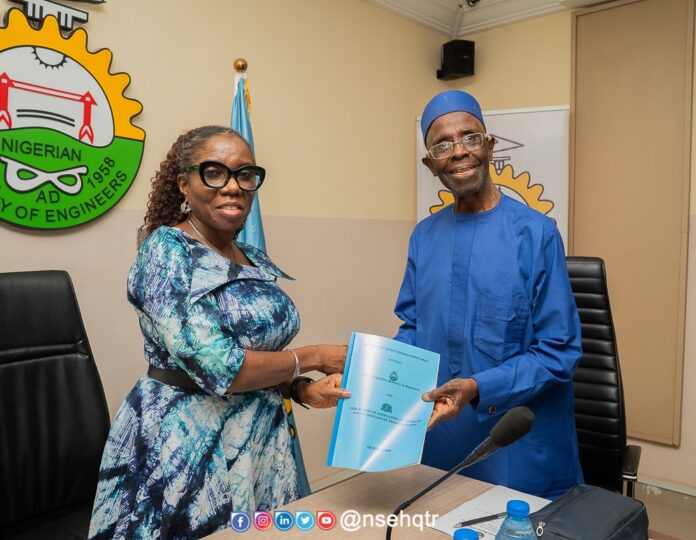
The Nigerian Society of Engineers (NSE), and the Federation of the Association of Artisans and Technicians of Nigeria (FAATN), have signed a Memorandum of Understanding (MoU), to strengthen institutional collaboration in technical skills development, mentorship, knowledge transfer and the application of innovative ideas towards national development.
By Emma Ogbuehi
The Nigerian Society of Engineers (NSE), and the Federation of the Association of Artisans and Technicians of Nigeria (FAATN), have signed a Memorandum of Understanding (MoU), to strengthen institutional collaboration in technical skills development, mentorship, knowledge transfer and the application of innovative ideas towards national development.
The agreement, signed on Tuesday, October 27, 2026, is designed to foster synergy among professional Engineers, artisans, technicians and craftsmen, with a view to enhancing technical capacity, promoting innovation and translating engineering knowledge into practical solutions that address national needs.
READ ALSO:
Dangote Cement pulls back plan to list shares on London Stock Exchange
Speaking at the signing ceremony, the President of the NSE, Engr. Ali Alimasuya Rabiu, represented by the Deputy President, Engr. Valerie Ifueko Agberagba, welcomed the partnership and reaffirmed the Society’s commitment to working with FAATN in areas of mutual interest.
She noted that the NSE remained committed to strategic partnerships that promote the effective utilisation of technical skills, facilitate knowledge exchange and support the translation of innovative ideas into practical applications capable of driving national development
According to her, closer collaboration between Engineers and artisans would create an enabling environment for innovation, strengthen technical competencies and encourage the development of indigenous solutions to the country’s developmental challenges.
“As Engineers, we appreciate the contributions of artisans, technologists and craftsmen to the development process. The convergence of these groups is important because engineering ideas must be translated into practical solutions that address societal needs,” she said.
The Deputy President further underscored the importance of effective regulation, adherence to professional standards and compliance with established technical requirements to ensure that engineering and other technical activities were executed safely, efficiently and in line with global best practices.
She expressed optimism that the partnership would provide a veritable platform for both organisations to leverage their respective strengths, expand opportunities for technical skills development and contribute meaningfully to Nigeria’s industrial growth and economic advancement.
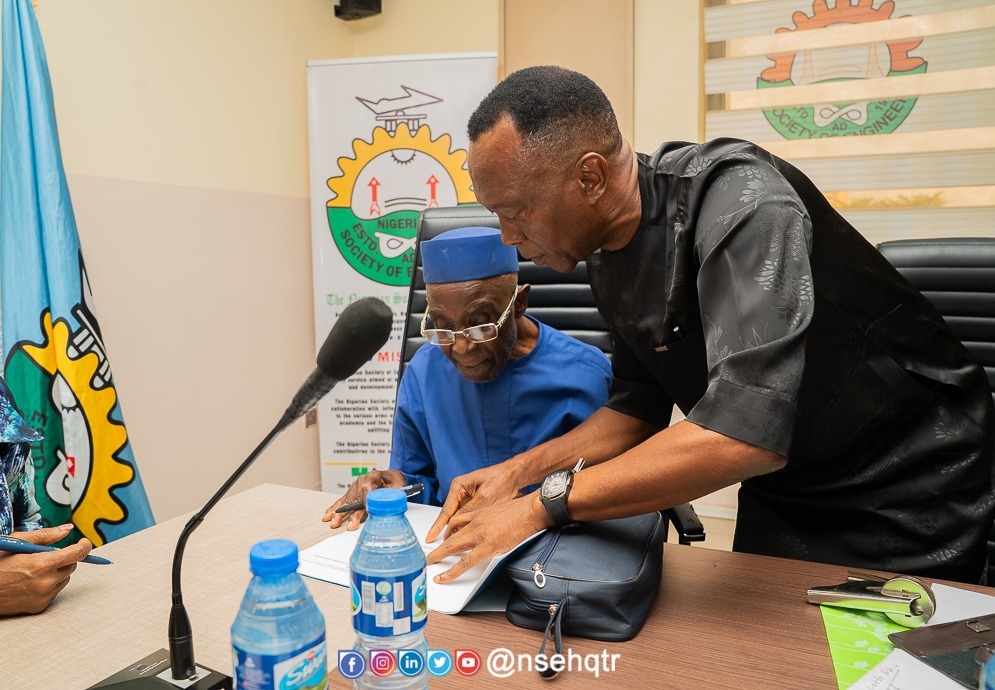
Earlier, while presenting an overview of the MoU, the Secretary of FAATN, Barr. P. O. Ajoku, disclosed that the Federation had approached the NSE to seek institutional collaboration and the Society’s patronage.
He expressed appreciation to the NSE President for accepting the request to serve as their Patron and the collaboration with NSE, noting that the positive response had culminated in the signing of the agreement.
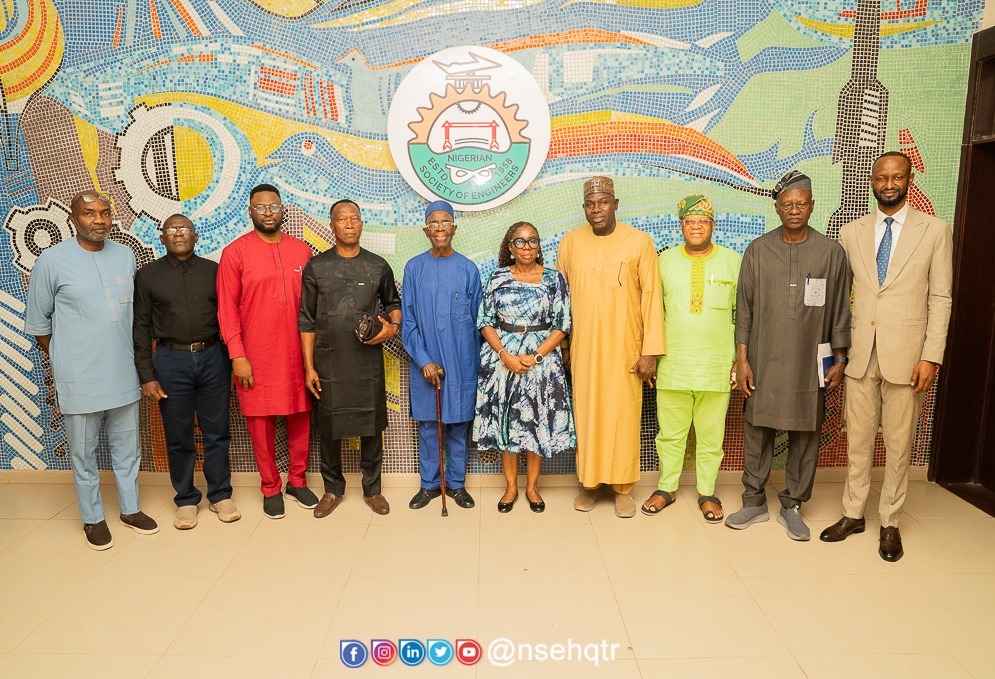
Ajoku described the MoU as a significant milestone towards building a productive and mutually beneficial relationship between professional Engineers and artisans, whose complementary roles are critical to the advancement and practical application of technical knowledge.
He further disclosed that both organisations had agreed to constitute a steering committee to coordinate and drive the implementation of the agreement, ensuring that its provisions and objectives translated into measurable outcomes and tangible benefits for their respective institutions and members.
According to him, the committee would serve as the institutional framework for coordinating joint activities, identifying priority areas of cooperation and developing initiatives to deepen the partnership and sustain effective engagement between the two organisations.