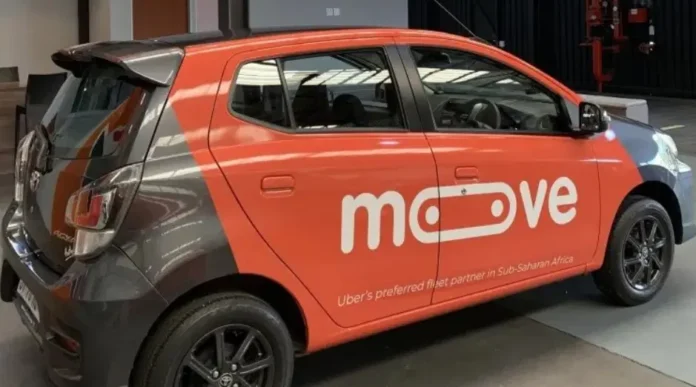
Moove follows Uber out of Nigeria
Moove has announced plans to shut down operations in Nigeria and transfer ownership of eligible vehicles worth about N35 billion to its existing customers.
The global mobility company disclosed this on Thursday, six years after commencing operations in Lagos.
According to Moove, customers whose vehicles qualify under the arrangement will take full ownership of them, with no further payment required to the company for the vehicles from October 1, 2026.
The company said the decision marked a significant change in its operations in the Nigerian market, where it had provided vehicle financing and mobility services to drivers.
Moove said the transfer would enable eligible customers to retain ownership of the vehicles they had been using under its financing arrangement.
Co-founder, co-CEO and advisory board chairman of Moove, Ladi Delano, said: “Nigeria is where Moove began, and everything we have built since carries something of Lagos with it.
“Jide and I started the company because talented, hardworking mobility entrepreneurs wanted the opportunity to earn, but could not get access to the vehicles and finance they needed. Our first customers trusted us when Moove was still an idea, and that trust made everything that followed possible and for that we thank you.”
The company did not disclose further details on the reasons for ending its Nigerian operations in the announcement.
Moove started in Lagos by providing vehicle financing to ride-hailing drivers, allowing them to acquire cars and repay the cost from their earnings. Its relationship with Uber became an important part of that model, making Uber’s exit particularly significant for the business.
Uber announced its exit from Nigeria on September 2, saying it was reviewing its business priorities and investment focus across Africa. The company said it would concentrate on markets where it could create more value for drivers and riders at scale.
Rising fuel and maintenance costs, inflation, declining purchasing power, and pressure on driver earnings have made it increasingly difficult to balance affordable fares with sustainable driver incomes.