




Life in the diaspora: The summer solstice – when daylight feels never-ending
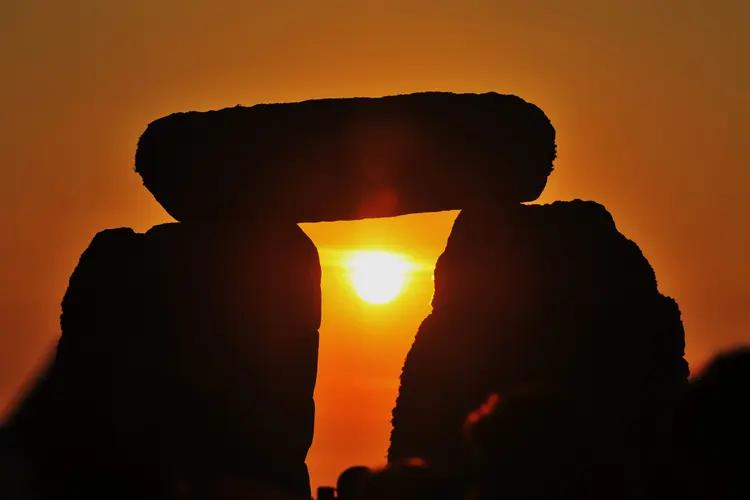
Revellers watch sunrise over Stonehenge during celebrations to mark the summer solstice at the prehistoric monument on June 21, 2014 in Wiltshire, England. Rufus Cox—Getty Images
By Mary Opii
For many of us Nigerians arriving in the UK, one of the most surprising experiences is not always the weather, the transport system, or the food. Sometimes, it is the daylight itself.
Back home in Nigeria, the sun rises and sets with fairly predictable consistency throughout the year. Day and night usually feel balanced. Morning comes, evening follows, and darkness settles at a familiar time. It is a rhythm many people grow up with and hardly question.
In the UK, that rhythm changes dramatically with the seasons, and nowhere is this more noticeable than during the summer solstice.
The summer solstice, which usually falls around the 21st of June each year, marks the longest day of the year. It is the point at which the Earth’s northern hemisphere is tilted most directly toward the sun, resulting in extended daylight hours. In parts of the UK, daylight can begin as early as 4:30 in the morning and remain bright until nearly 10:00 at night.
For a Nigerian newcomer, this can feel deeply confusing.
I remember my first summer in the UK and how disoriented I felt. It was close to 9:30 pm, and the sky was still bright. My body kept telling me it was still evening, not night. I delayed dinner, postponed rest, and lost track of time simply because the daylight made it feel like the day was not yet over. It was one of those moments when I realised how much our bodies are shaped by natural patterns.
Incidentally, as I write this, today marks the summer solstice in the UK, the longest day of the year. It is one of those moments when the reality of living in a different climate becomes impossible to ignore.
The extended daylight changes everyday life in subtle ways. People stay outdoors longer. Parks remain busy into the night. Children continue playing outside much later than what would seem normal in Nigeria. Barbecues, walks, and outdoor gatherings stretch into hours that would usually feel like bedtime.
For many people in the UK, the summer solstice is also more than a seasonal event. It carries historical and cultural significance. Thousands gather every year at Stonehenge to watch the sunrise and mark the occasion. The ancient stone monument has long been associated with the solstice, and the gathering reflects the deep historical connection between the land, the sky, and human tradition.
To many Nigerians, this may seem unusual. The idea of celebrating the position of the sun is not common in our everyday culture. Yet in the UK, it is part of a long-standing tradition that blends history, spirituality, and curiosity.
Beyond the cultural significance, the solstice also affects mood and productivity. Longer daylight often brings more energy. People tend to feel more active, social, and optimistic during summer. It is one reason why summer is such a beloved season in the UK.
At the same time, the long days can make sleep difficult for newcomers. Without proper curtains or adjusted routines, the body may struggle to recognise when it is time to rest.
Living in the UK teaches you that even something as basic as daylight cannot be taken for granted. It changes your schedule, your mood, and your understanding of time.
For Nigerians in the diaspora, the summer solstice is one of those subtle but memorable experiences that remind you just how different life can be in another part of the world.
And before long, you may find yourself doing what many people here do; looking at the clock in disbelief at 9:45 pm, only to realise the sun is still not ready to go home.


