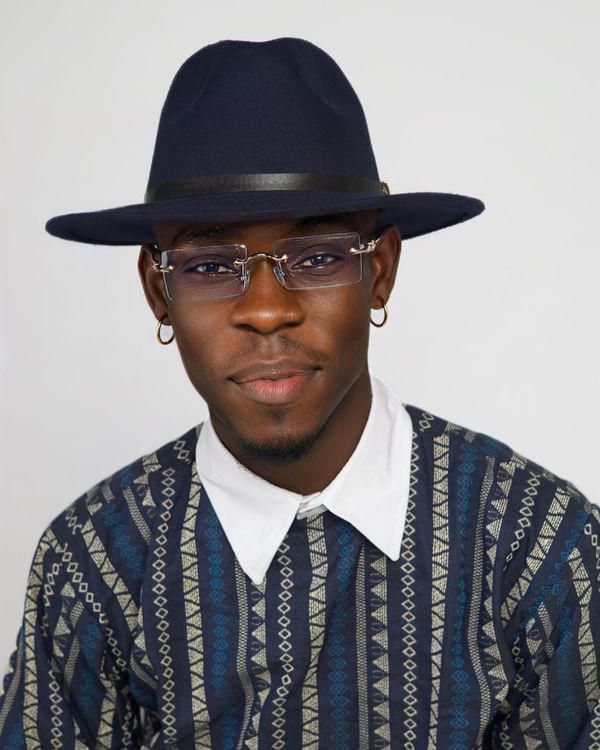
Growing up, Adebodun-Toplonou Deyon, a graduate of Accounting from Lagos State University was introduced to sewing by his mother, a tailor. What began as punishment at the age of 10 gradually became structured learning. Over time, he developed a genuine interest through his mother’s influence. He honed his skills through hands-on experience, continuous learning, and immersion in the fashion industry.
By Eberechi Obinagwam
Growing up, Adebodun-Toplonou Deyon, a graduate of Accounting from Lagos State University was introduced to sewing by his mother, a tailor. What began as punishment at the age of 10 gradually became structured learning. Over time, he developed a genuine interest through his mother’s influence. He honed his skills through hands-on experience, continuous learning, and immersion in the fashion industry.
After secondary school, he began getting paid to produce clothes for clients. When he gained admission to university, he continued honing his craft. His skill opened doors: while still a student, he secured a contract to create outfits for the National Teens Mass Choir of The Redeemed Christian Church of God (RCCG). He officially launched his brand, R, in 2016 in Lagos.

Background
Deyon worked as a hub manager at a Jumia affiliate company and as production manager at Orange Culture while building his brand. In 2024, he left paid employment to focus fully on R. “I just didn’t feel fulfilled in my paid job. Though I was working and building my brand at the same time, I had to quit,” he told TheNiche in an interview.
Today, his childhood training has evolved into a professional pursuit. His brand has been showcased on notable platforms, including Fashion Finest Africa and other curated fashion events, helping him gain visibility in the creative industry.
The rigorous training
Deyon spent years observing his mother cut patterns, measure clients, and construct garments. “I was introduced to sewing at a very young age, around 10 years old. It began as a punishment and gradually became structured learning. I learned through practice: threading machines, cutting fabric scraps, running errands in the workshop, and slowly progressing to sewing full pieces myself,” he narrated.
READ ALSO:
TheNiche Young Entrepreneur: How Tolulope quit toxic job to build thriving accessories business
He explained that this early exposure built not just technical skill, but also discipline and respect for craftsmanship.
“The experience shaped my understanding of fit, structure, and the emotional value clothing holds for people. What started as learning a skill slowly became a deeper appreciation for craftsmanship, storytelling, and the emotional power of clothing.
“I officially began building the brand in Lagos, Nigeria, starting small by taking custom orders, sketching consistently, reinvesting profits, and gradually refining the identity of the brand”, he recalled.
Sourcing capital
The founder of R said sourcing capital has been one of his biggest challenges. According to him, fashion is capital-intensive, and access to structured funding is limited. “I applied for grants and sought investors, but not all attempts were successful,” he said.
To stay afloat, Deyon relied heavily on reinvesting profits from custom orders to fund small-batch production. “I also learned to scale gradually, focus on lean production, and prioritise cash flow over expansion. It required discipline and resilience,” he stressed.
Penetrating the market
The brand owner said breaking into the market required patience. According to him, building trust in fashion takes time because people are not just buying clothes—they are buying identity and confidence.
It took Deyon several years of consistency, refining his aesthetic, showing up at the right platforms, and learning branding and positioning before the brand gained real traction.
“The breakthrough came from visibility and clarity of identity,” he said.
Working tirelessly without immediate returns
One experience Deyon cannot forget is working tirelessly on pieces for opportunities that yielded no immediate financial returns. He said: “There were moments of rejection—grants that didn’t come through, investors that declined, and those moments tested my belief in myself. But those seasons built resilience and forced me to sharpen both my craft and my business thinking”.
Breakthrough moment
Showcasing at a major fashion platform and seeing people emotionally connect with R designs was a major turning point for Deyon. “It reminded me that the work matters.” He also noted that client testimonials and repeat customers reinforced the brand’s value and impact.
The Business environment
Deyon said operating in Nigeria comes with infrastructural and economic challenges: unstable production timelines, fluctuating material costs, limited access to affordable funding, and currency volatility. He stressed that power supply issues and logistics can also increase operational costs, noting that these challenges have forced him to become resourceful, adaptable, and strategic.
Japa
The brand owner said he understands why many young people choose to leave Nigeria, but he has chosen to stay.
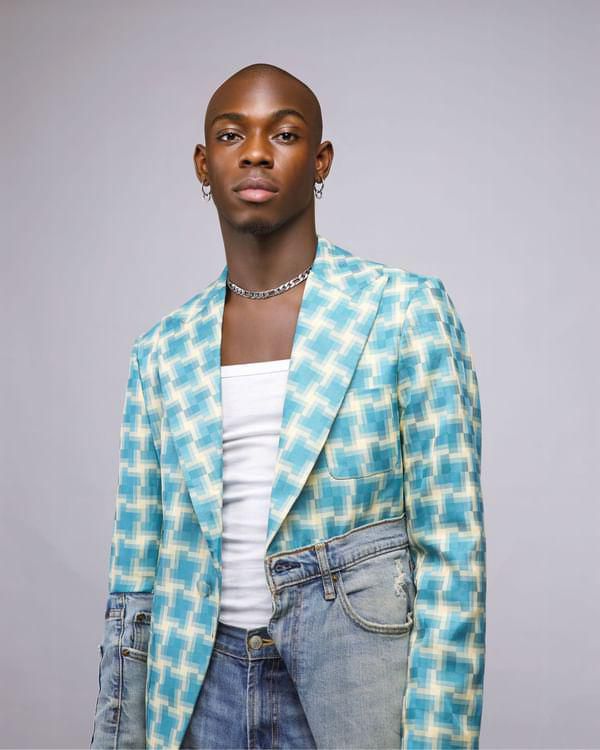
“The environment can be tough. But I have chosen to remain because I believe there is still opportunity here, especially in fashion and culture.” According to him, Nigeria has a strong creative identity, and building locally allows him to contribute to that narrative. “My goal is not just to build a brand, but to build a legacy that represents where I come from,” he said.
About Deyon
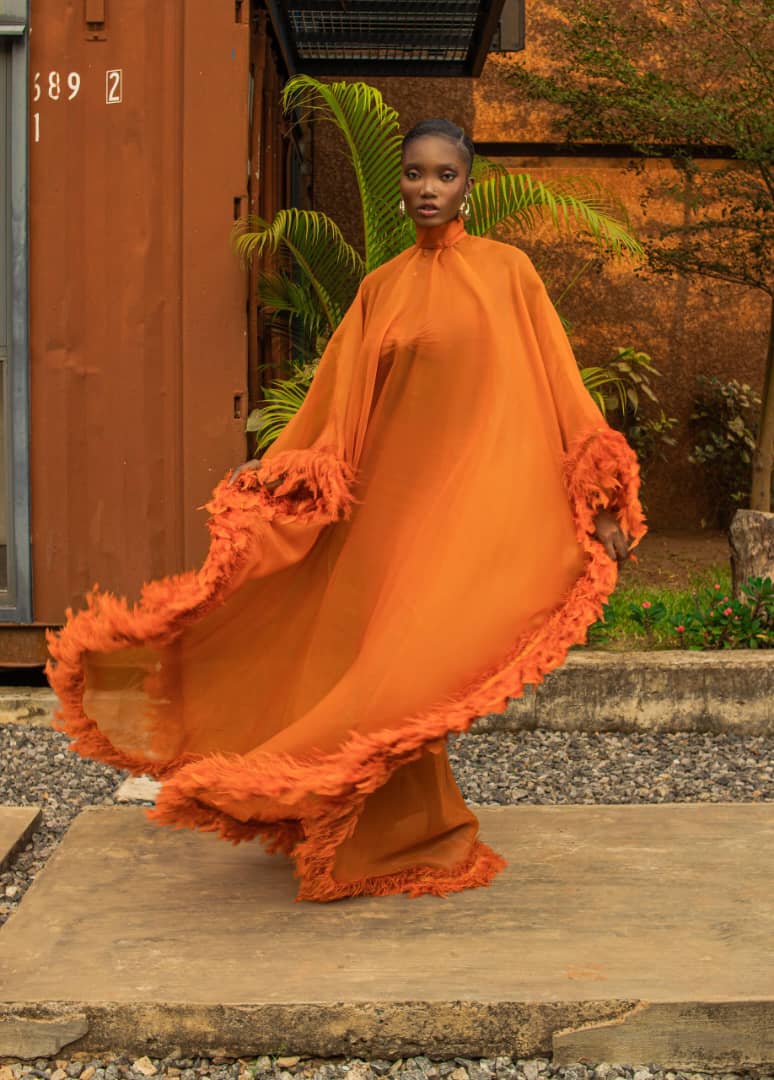
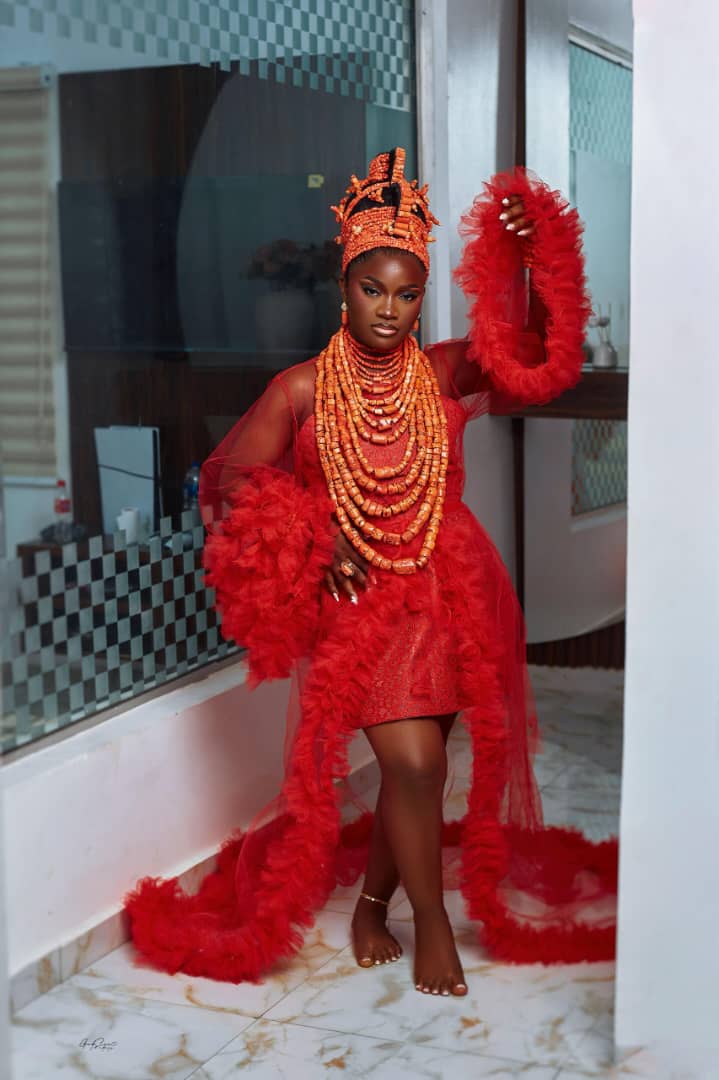
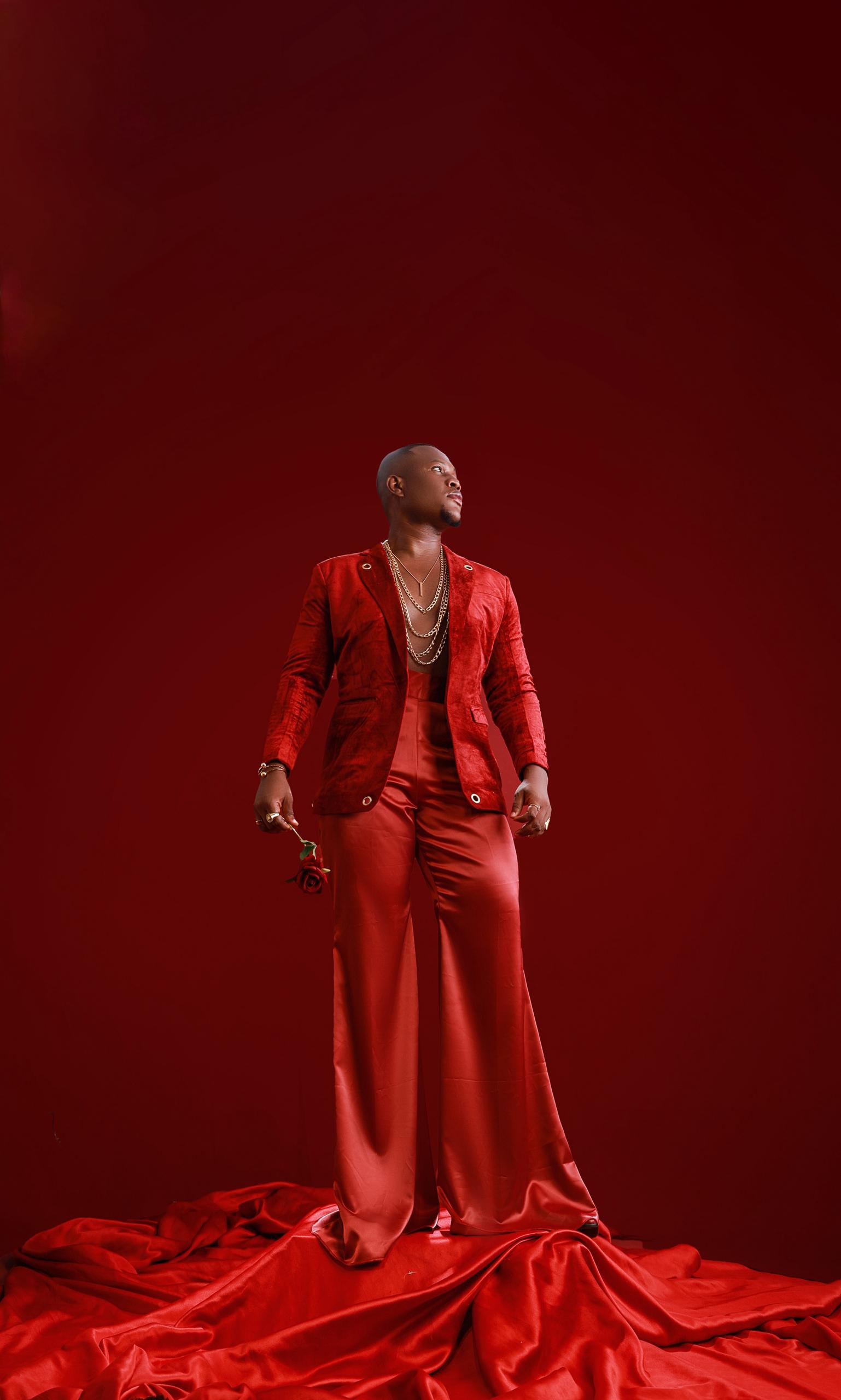
Deyon, also known as Reign Emmanuel, is a fashion designer and creative director. He is the founder of R—a contemporary womenswear brand with expressive menswear elements. The brand was inspired by his mother, who taught him tailoring from a young age.
R represents a minimalist, intentional identity that embodies refinement, reinvention, and personal evolution.
He is an employer and trainer, and a graduate of Accounting from Lagos State University. R has been showcased on notable platforms, including Fashion Finest Africa and other curated fashion events, helping the brand gain visibility within the creative industry.