



How Nigeria’s waste crisis could become thriving economy – Obuesi
By Uzor Odigbo
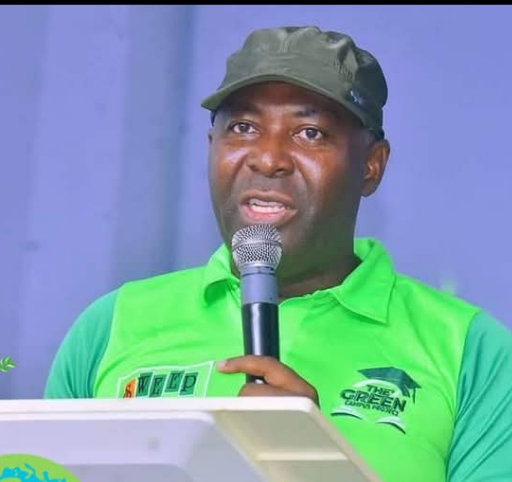
The President of Waste Forum Ambassador Philips Obuesi has given revealing insights on how Nigeria could grapple with multiple socioeconomic challenges including waste management.
In a statement in Lagos, Barrister Obuesi asked critical questions, Can the country’s waste crisis be transformed into a thriving economy?
The answer he said, lies in whether the country is willing and ready to embrace circular economy models that convert waste into wealth, empowering small and medium-sized enterprises (SMEs) and legitimizing the informal sector.
According to him, “It is said that Nigeria generates over 32 million tonnes of municipal solid waste annually, with less than 10% being recycled. The remaining waste ends up in open dumpsites, polluting the environment and fueling health hazards, and this is typical of most Nigerian states.”
He, however, said the power of the remaining 90% waste stream can be harnessed to create a robust economy.
Obuesi reiterated that the recycling industry in Nigeria is estimated to be worth well over $2 billion, with plastic recycling playing a central role, boasting an estimated market size of $40 billion.
“We can Unlock the Economic Opportunities of the waste economy through a well-managed waste management system in Nigeria thereby creating over 250,000 jobs by 2026.
“The waste-to-wealth movement is already gaining momentum, with companies like Urban Waste Dynamics collecting plastic waste and preprocessing them for export. This not only generates employment but also reduces pollution and promotes sustainability”
The President of SWEEP Foundation stated that If Nigeria must explore and exploit the power of its waste economy, then there are key strategies for success that we must adopt. He listed them as, “Clear Regulatory Frameworks, incentivizing waste-to-wealth businesses through clear policies and regulations, Infrastructure Investment Replacing illegal dumpsites with functional recycling centers, Public-Private Partnerships, Funding early projects and scaling grassroots innovation, Empowering SMEs, Providing training and resources for SMEs to thrive in the waste management sector, Formalizing the Informal Sector, Recognizing waste pickers as partners and providing them with training and benefits and more.”
He said there are available success stories like that of SWEEP Foundation’s materials recovery facility that uses cutting-edge technology to recover, sort and pre-process waste into valuable materials.
“They maintain the widest network of recyclable waste recovery infrastructure around, and are scaling up with a view to becoming a large scale mixed waste processing company
“Nigeria’s waste economy has the potential to be a game-changer for the country. By embracing a circular economy model, empowering SMEs, and formalising the informal sector, Nigeria can reduce import dependence, create jobs, and strengthen resilience. The time to act is now. Together, we can unlock the power of Nigeria’s waste economy and create a more sustainable future.”


