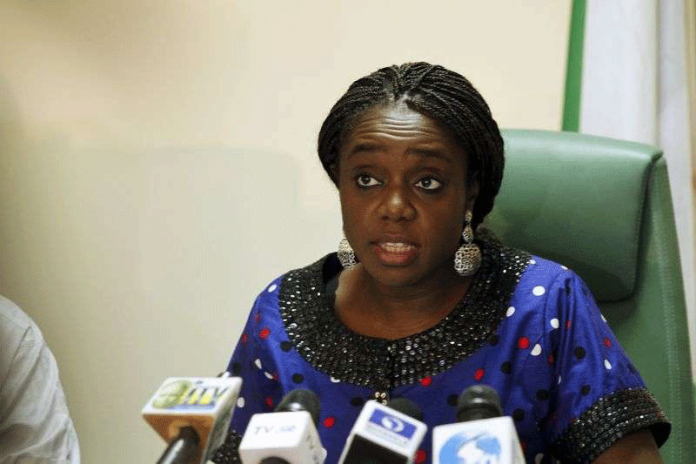
The Federal Government has taken drastic steps to reduce corruption and abuses associated with granting of waivers by subjecting the process to automation for transparent purposes. Minister of Finance, Mrs. Kemi Adeosun, confirmed the latest step in Abuja at an interview session with select finance journalists, adding that unlike in the immediate past where everything was given waivers, a more rigorous process was in the offing . She said: “A lot has been done and more are ongoing. We have reviewed the procedures.
There are many categories that don’t qualify for import duty waiver. We have improved and made it hard for people to obtain import duty exceptions for obvious reasons ” We found that it was too easy before. We do not have to approve but we have made it tougher today and therefore, we have reduced the number that we are issuing. For example, in the area of drugs, we used to get letters from organizations purporting to be charitable organisations. They will just write a letter, claiming that they are donating items.
We said no. You have to get accredited and scrutinised. We have really tightened that. We are working now on automation. We do not have to see everybody face to face. If you are qualified, you should be able to get it promptly and quickly.
We are at advanced stage that will enable us to digitalize the process. Without too much announcement, we have tightened up the procedures., Answering questions on a wide range of economic issues, Adeosun justified current administration’s borrowing plan which she noted, was meant to deepen infrastructure projects for an economy smarting from economic recession.
The Debt Management Office (DMO) last week confirmed Nigeria’s total debts( foreign and domestic) at N 21. 175trillion. Asked whether she was worried about rising debt profile under the current administration, the Minister answered in negative . ” I’m not worried at all. Our borrowing is sustainable and well managed. First, we took a decision that reflects the economy. Our borrowing is a true reflection of our economy.
When your income has gone down, the only place you can go is to borrow. It was a strategic decision. We are going to borrow and invest in our capital stock and then increase our revenue so that we can pay back the debt. It was a deliberate decision. We look at the size of our budget and increased it from N4trn to N7trn , so that we could focus on our capital. It was a very deliberate policy,” she added.