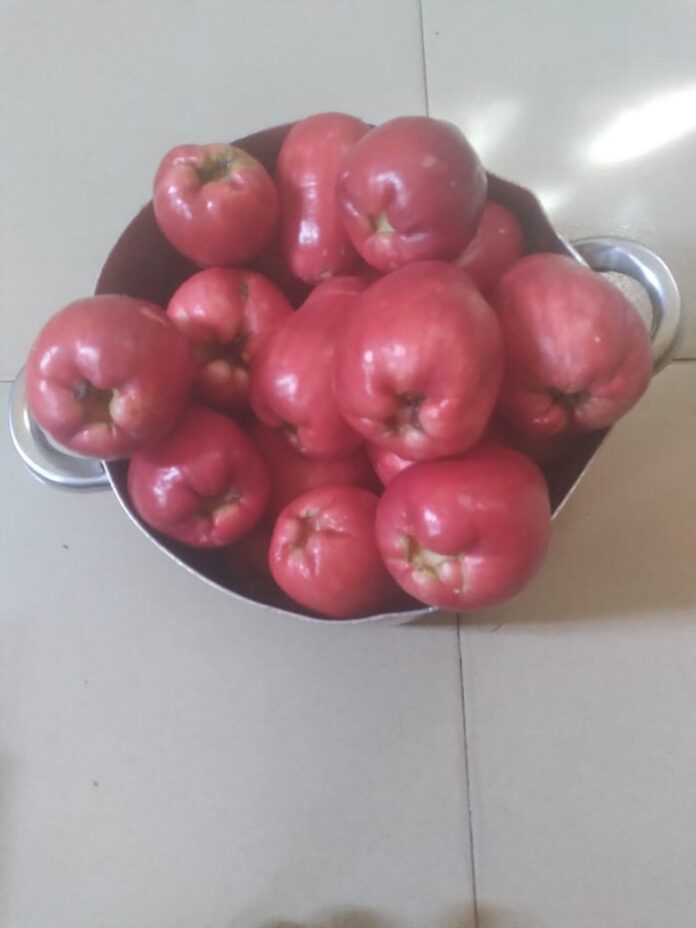
Until 2005, Gbenga Akinyemi, a 2001 graduate of Crop production from the Federal College of Agriculture in Akure, Ondo State did not know much about Malay Apple, a fruit with multiple health benefits.
By Ishaya Ibrahim
Until 2005, Gbenga Akinyemi, a 2001 graduate of Crop production from the Federal College of Agriculture in Akure, Ondo State did not know much about Malay Apple, a fruit with multiple health benefits.
The beautiful tree had been flowering, bearing fruits on the property his aunty assigned him to reside in Lagos. The presence of the tree and its fruits heightened his interest. He began researching everything about the fruit, which led to the amazing discovery of its multiple health benefits. Today, Gbenga is credited with pioneering Malay Apple farming in Nigeria.
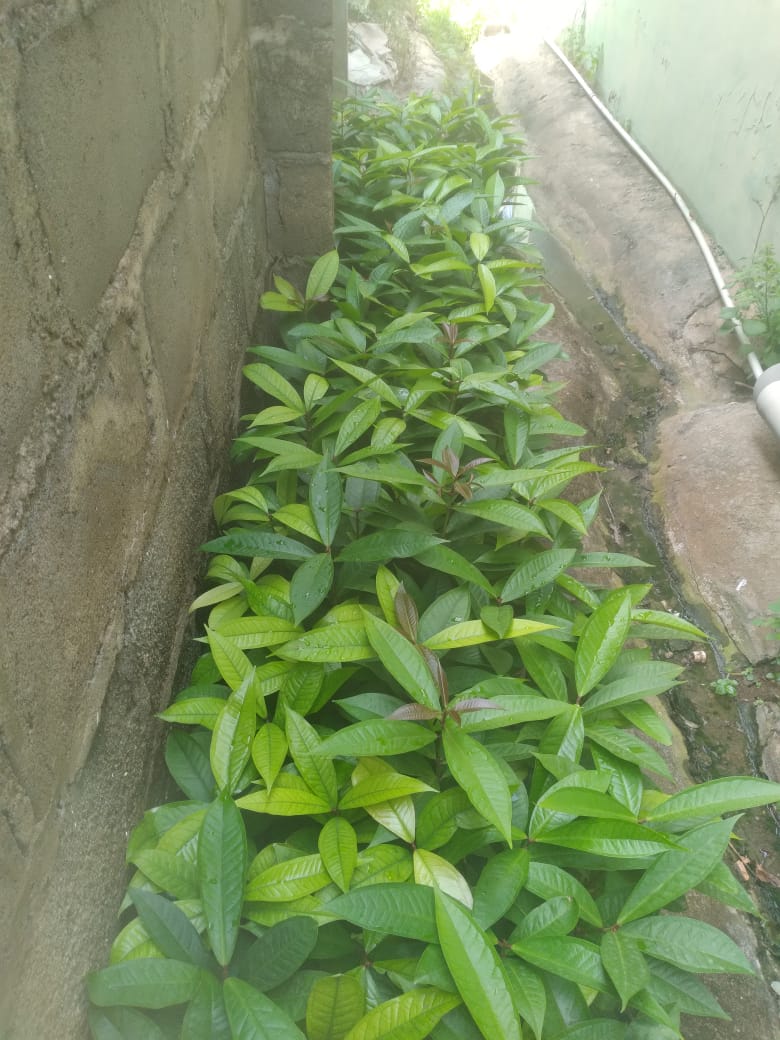
In 2008, Gbenga’s interest shifted to the production and distribution of Malay Apple seedlings across Nigeria and sub-Saharan Africa, with his farm now located in Ogun State.
READ ALSO:
TheNiche Young Entrepreneur: Peter Peters’ mastery of cloth branding amidst frustration
About Malay Apple
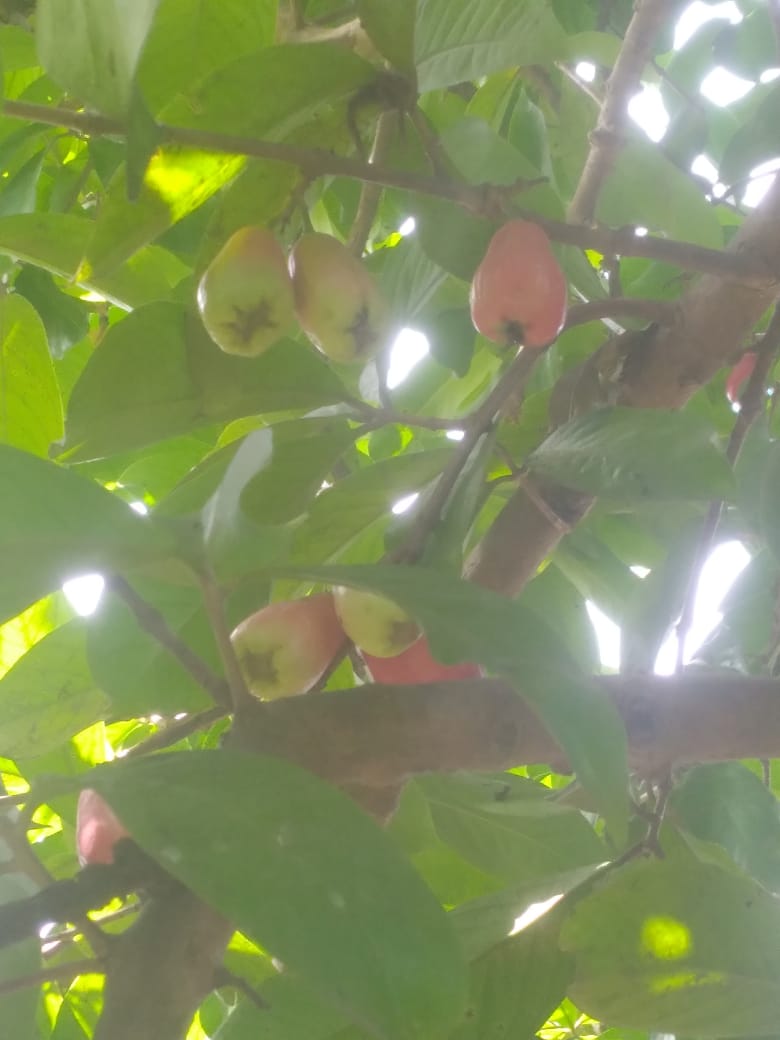
Malay Apple is a tropical plant originally from Malaysia but found in many parts of the world, especially in the tropics, including Nigeria. This fruit with a mild sour-sweet taste, has been noted to help in the treatment of many health conditions including constipation, reducing the risk of diabetes, lowering high blood pressure, improving eye vision due to its vitamin A content, and many other ailments.
Starting out
Gbenga started with the tree he found on the property of his aunty, which she planted some years before he arrived. His first task was to learn everything about the tree and the fruits; to even know its name.
“I had not seen this kind of fruit around before. So, I took some and I ate. I thought it was a bit sour. So, I decided I was going to allow it to grow and mature well. That was how I started researching it.
“Then, we were calling it Bell Apple. I was giving it around to people. It was my friend who mentioned the name Bell first. Later on, we discovered the name to be Malay Apple,” he said.
Gbenga also researched the preservation technique for the fruit due to its short shelf life. After experimenting with different cooling temperatures, he struck the chord. He found that it was a chilling refrigeration condition that best preserves the fruit.

Pioneering Malay Apple farming in Nigeria
While researching the fruit, Gbenga interacted with agriculturalists from different places. In one of those interactions when he visited the Ministry of Agriculture in Lagos, an official noted to him that, “You’re the one pioneering Malay Apple in Nigeria.” For Gbenga, that was the first time he would even learn the word ‘pioneering.’
He told TheNiche during an interview: “I started going to different places. I visited Lagos, the Ministry of Agriculture in Lagos. I was discussing with one of the officials. I remember he mentioned the word pioneering. He said I must be the one pioneering it. I never thought of it. That was the first time I heard the word pioneering.”
Challenges
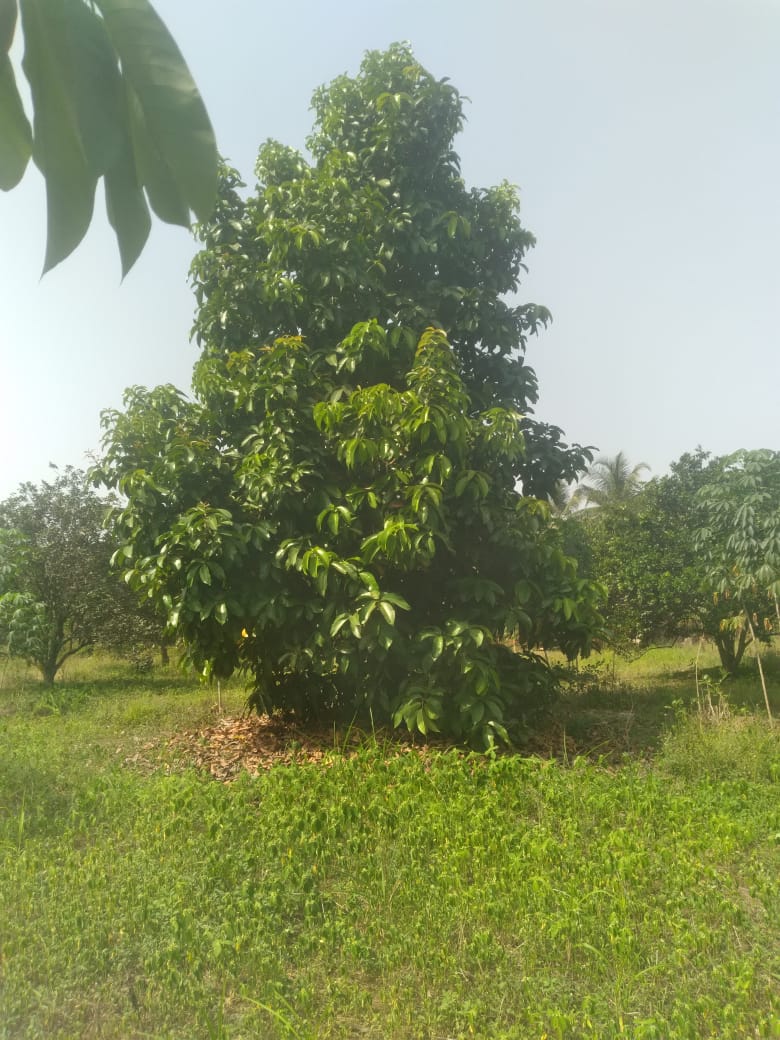
A major challenge for Gbenga while starting out was the absence of readily available knowledge to glean from about Malay Apple. There was no information and awareness about the fruit. People also confused it with other varieties of apples. So, after learning a lot about the fruit, Gbenga’s major task was to provide others with the knowledge, including differentiating Malay Apple with other varieties.
Gbenga explained: “People were used to those smallish ones, those pinkish and whitish ones. But whenever they see Malay Apple, they love it. So, I was also inviting people to my place in Lagos then to come and see.
“So, our major challenge was creating the awareness, because the awareness wasn’t there. People only appreciated it when they knew that it even existed. Even till now, it’s a big challenge; the awareness. But we are more equipped with more information than then.
“Then, the issue people were asking, could it really grow here? I told them it’s a tropical apple. It’s not like those apples from South Africa. Those apples are from temperate or Mediterranean.”
Market penetration
With the growing awareness of Malay Apple, Gbenga said the demand for the seedlings are increasing. He said: “The demand is a lot better now. Then, we were only able to reach Lagos but now we are all over the country and different parts of the world. We have orders from different parts of Africa, except for North Africa; I don’t think we have any order from North Africa.”
Japa?
Gbenga said 15 years ago, he thought about Japa, but not anymore.
“I considered Japa then. But now, with what I’m doing, I don’t need to japa”, he said.
About Gbenga
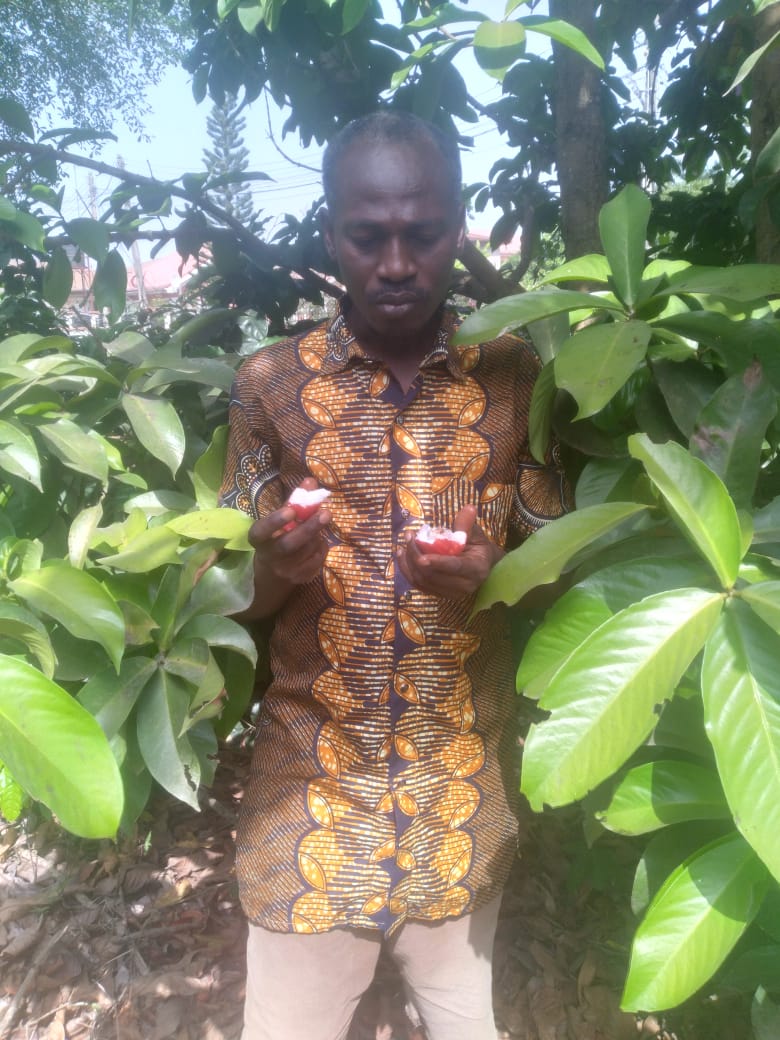
Gbenga Akinyemi is the Pioneer of Malay Apple Farming in Nigeria. A graduate of Crop Production from the Federal College of Agriculture, Akure, Ondo, he was at the Plant Breeding Division of the Nigeria Institute for Oilpalm Research (NIFOR) for the One-year mandatory National Youth Service Corp Program (NYSC) in the year 2002.
He taught Agricultural Science as a subject at a Private Secondary School in Lagos and worked as a Farm Manager at a Catfish and Oilpalm production farm in Ogun state respectively between 2003 and 2006 before starting Malay Apple farming.