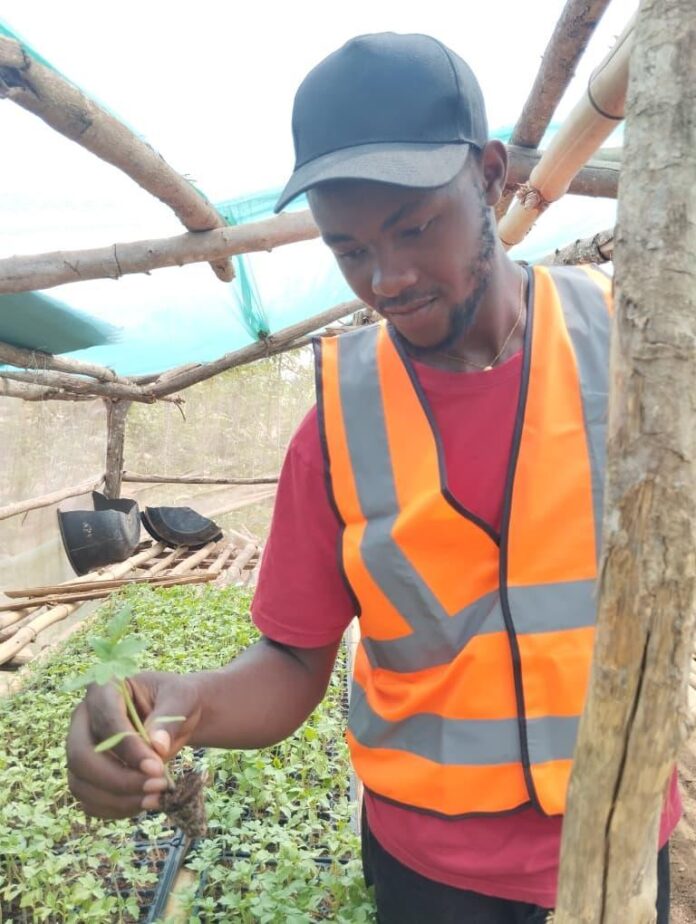
Oke Ayobami, a Food Science and Technology graduate of Obafemi Awolowo University, Ile-Ife, started his agribusiness in 2016 as a 200-level student. He began farming a piece of land he discovered while living in the school quarters. Driven by his childhood love for farming, he took it up initially to keep himself busy, with no intention of making money. However, when his farm produced abundantly, he could not consume everything and had to sell the surplus. That was how his hobby gradually turned into a business.
By Eberechi Obinagwam
Oke Ayobami, a Food Science and Technology graduate of Obafemi Awolowo University, Ile-Ife, started his agribusiness in 2016 as a 200-level student. He began farming a piece of land he discovered while living in the school quarters. Driven by his childhood love for farming, he took it up initially to keep himself busy, with no intention of making money. However, when his farm produced abundantly, he could not consume everything and had to sell the surplus. That was how his hobby gradually turned into a business.
“What started as a hobby has now become a major venture,” he told TheNiche in an interview.
Ayobami is the founder and brand owner of Agronoma Tech Farms and Foods Limited, an agricultural solutions and farm management company focused on building structured, sustainable, and productive farming systems. The company bridges the gap between agricultural potential and practical execution by providing end-to-end support across the farming value chain.
Background
Ayobami’s journey into agriculture began in 2016 during his 200-level year at OAU. He started small, cultivating half a plot of fallow land in the school quarters where he lived, growing cassava and maize. “Farming came to me as a hobby. While I was still a student living in the school quarters, there was this unused land. I decided to farm on it to keep my hands busy alongside my studies. It was about half a plot. I started with cassava and maize like every other farmer”, he recalled.
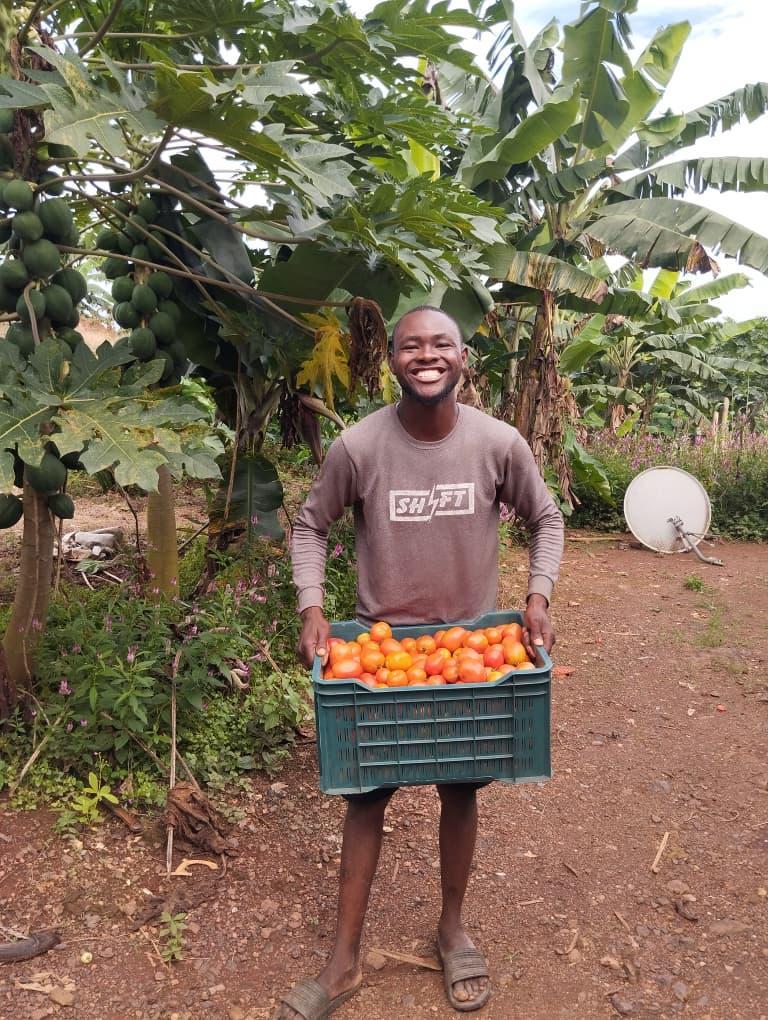
As time went by, he built his skills by assisting friends with their family farmlands and attending trainings. He said; “During my industrial training (IT), I joined some friends to their family farms to learn more. While learning, I also practiced on my own farm. They told me some crops don’t grow well in the Southwest, but I tried planting tomatoes anyway — and it thrived.
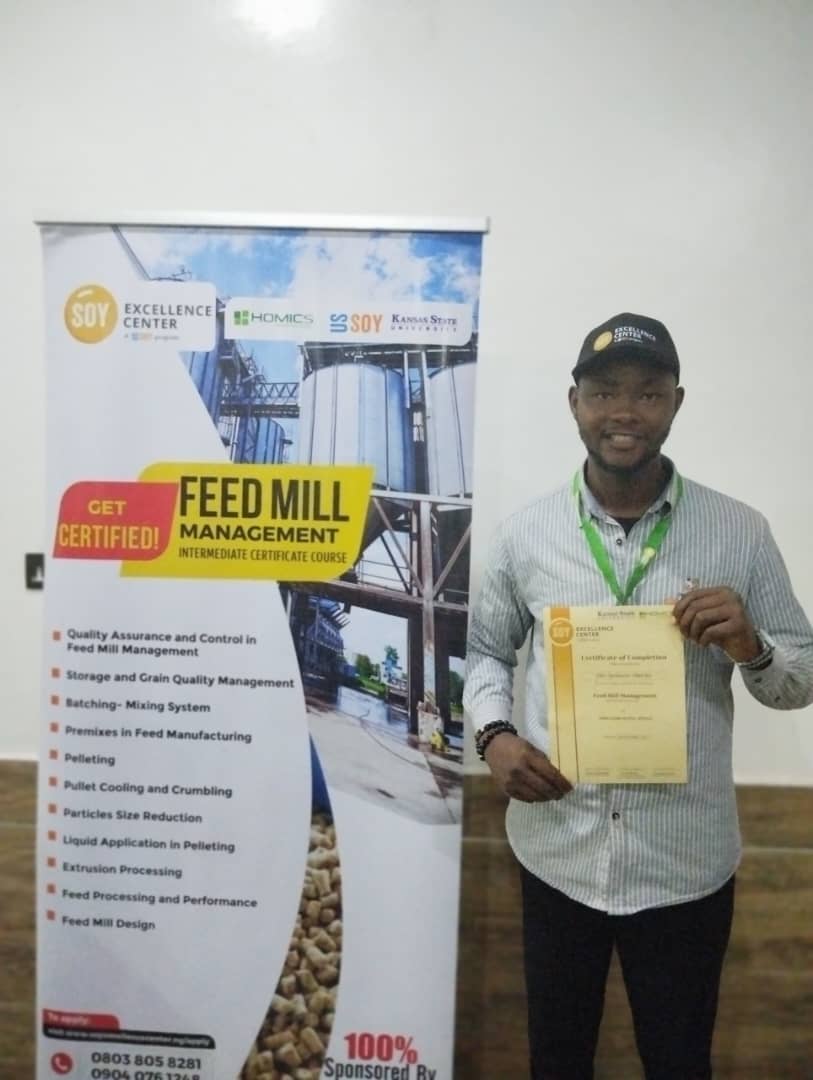
“The yield was so massive that at some point I could not finish it alone. I started giving some away, and soon people began asking if they could buy from me. That was how I started selling in kilogrammes. It encouraged me to increase production and improve my practices. I began attending trainings, workshops, and participated in the U.S. Soy Excellence Centre programme, which helped me develop myself over time.”
READ ALSO:
Ayobami initially operated under the brand name Toks Farm. He later incorporated Agronoma Tech Farms and Foods Limited in 2023 after facing challenges registering his first brand name.
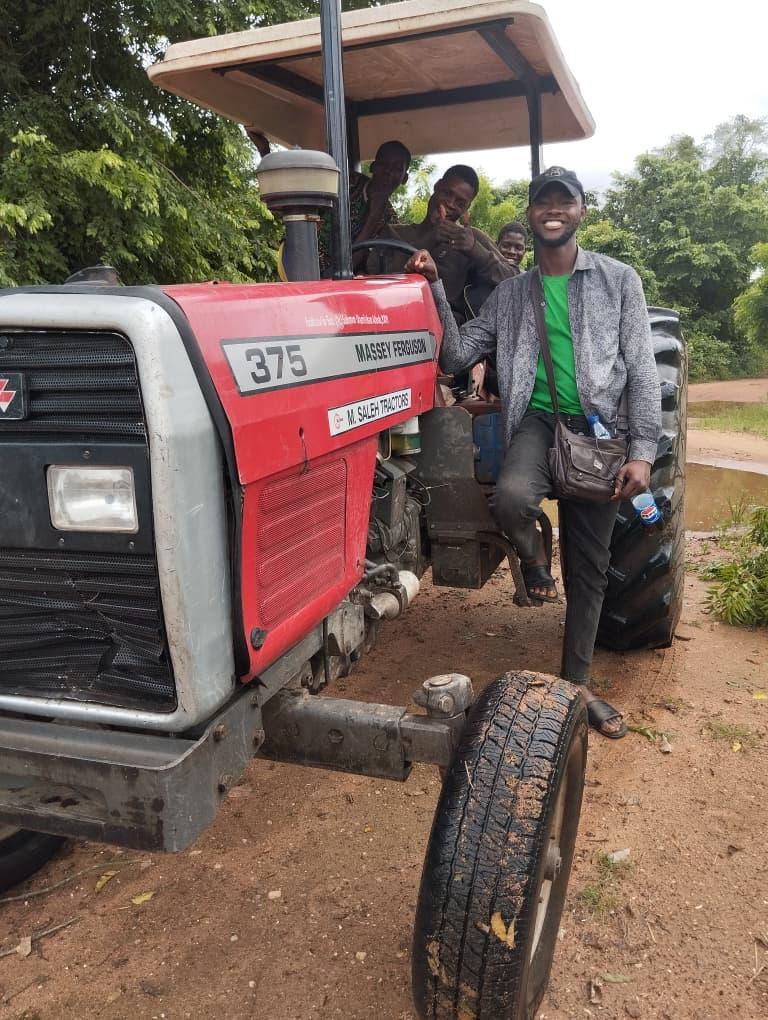
During his National Youth Service Corps (NYSC) year, he shifted focus to consulting, managing up to 10 acres of land while away on service. “When I was about to go for NYSC, I realised I wouldn’t be able to tend my farm directly, so I planted cassava and switched to consulting.
“A professor in the quarters, who knew my work with fresh tomatoes, connected me with his brother who wanted to start a farm. That was how I began consulting on a 10-acre farm. While serving, I replicated the knowledge and experience from my trainings on a larger scale. So far, the largest farm I have consulted for is around 50 acres”, he explained
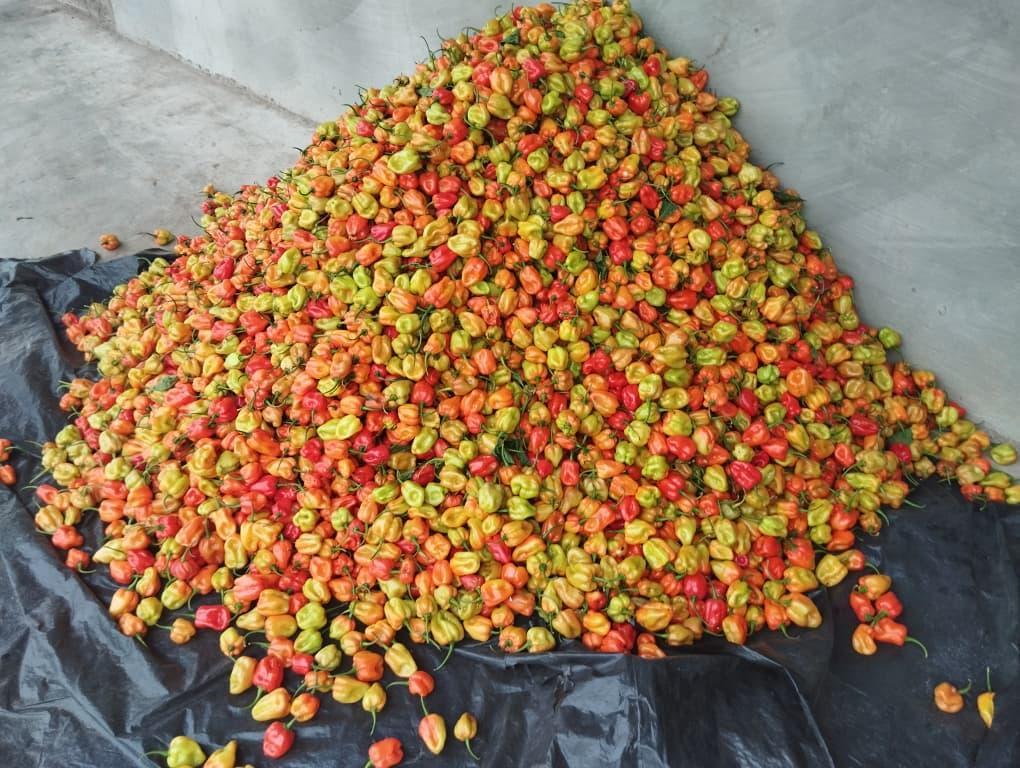
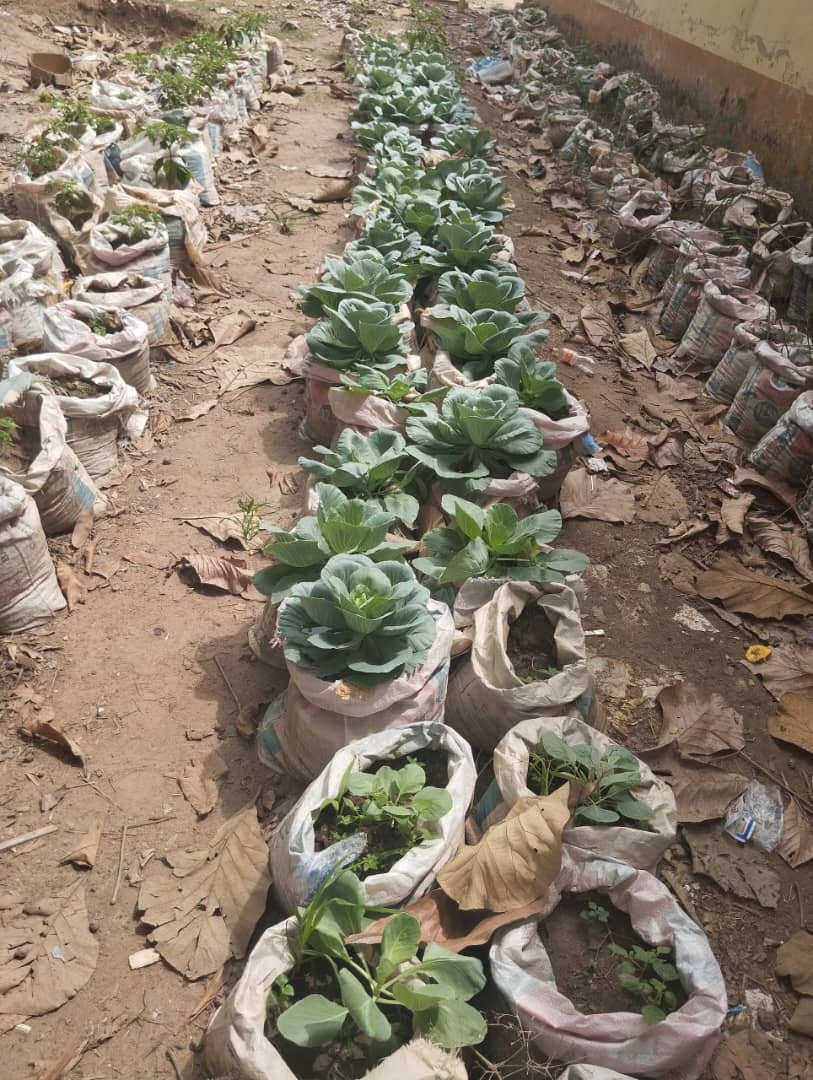
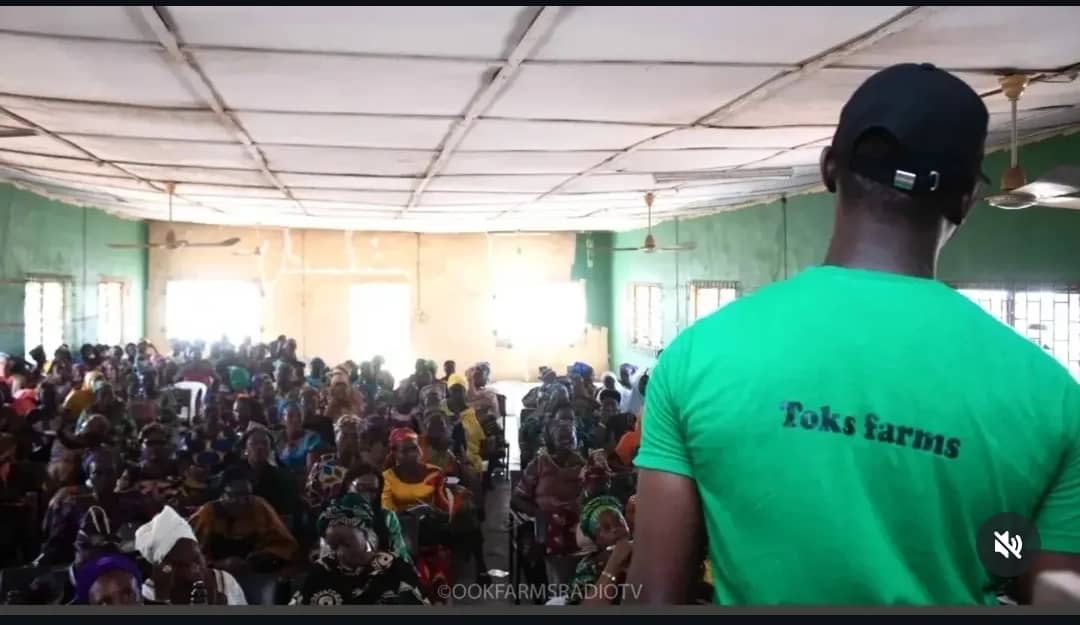
Beyond consulting, Ayobami set up a successful school garden and taught pupils modern farming techniques during his NYSC posting. He also trained rural farmers. After completing his service, he returned to his farm, expanded into tomatoes, cabbage, pepper, ginger, and other non-native crops, attracting even more consulting opportunities.
Sourcing for capital
Ayobami acknowledged that capital remains a major challenge for most agribusinesses. For him, it was managed through family support and side hustles. “My mother has always been very supportive. “I also funded the business from profits of other side hustles. At some point, I collected money from people as investment and repaid them after selling my produce”, he said. He stressed that cash flow is critical in farming.
Penetrating the market
Growing pepper, tomatoes, and similar crops presented little market challenge because of high demand. “Living in the quarters and growing such crops meant every family needed pepper and tomatoes weekly,” he said, adding; “People were hungry for my products and even booked my tomatoes in advance because of the quality. At some point, I struggled to meet the demand. As a Food Science and Technology student, I also packaged and sold garri made from my cassava to fellow students.”
Experiences
Ayobami recalled periods when irregular rainfall affected his crops due to the absence of irrigation. “Most of our crops dried up and we recorded huge losses, but that didn’t discourage me. I saw it as a training ground rather than a setback,” he said.
Another difficult moment came during the COVID-19 lockdown. “I was in full production and about to start selling when the pandemic hit. I made no profit. My cucumbers, which I planned to sell, had to be given out because of the lockdown. That was a bad moment I will never forget,” he added.
Breakthrough
Although Ayobami had always enjoyed farming, his major breakthrough came when he scaled up production significantly.
“One year, I planted 5,000 stands of cucumber on irrigated land. When I saw the results, it blew my mind. I told myself I could do better. “I keep detailed records, and I have surpassed my previous yields year after year. That particular season gave me almost double my usual profit. It was my last major production before NYSC and before I moved fully into consulting for larger farms”, he said.
Challenges
Ayobami noted that many farmers lack access to quality inputs such as pesticides, fertilisers, and insecticides, as some agro-dealers sell adulterated products. He said; “Sometimes you have to import from neighbouring countries to be sure of getting good quality. Our counterparts in other countries achieve higher yields and better pest control because they have the right input. Original products are expensive, so some dealers compromise quality to make them affordable — but that affects efficiency.”
He grows hybrid crops to maximise yield and urged the government to subsidise quality inputs rather than focusing mainly on fertiliser distribution. According to Ayobami; “Farmers need good inputs more than anything. A serious commercial farm can easily run into millions in expenses annually. We can’t continue doing things the same way while the population and food demand keep rising daily”.
He added that Nigeria’s core agricultural problem is not production but preservation, storage, and logistics. As he puts it; “A lot of produce rots on farms and in markets due to poor storage and preservation. In places like Mile 12 Market in Lagos, there are no proper facilities to keep perishable goods. Farmers cannot afford to carry unsold tomatoes back home. If there were companies that could process excess produce, it would help a lot. The government should initiate policies that reduce input costs, invest in storage facilities, and promote public-private partnerships for processing”.
Ayobami warned of recurring tomato shortages, especially in May, June, and July, due to gaps in northern production during the fasting period. “Last year, the price spike was moderated because more farmers in the Southwest got involved. We need to encourage more local production in the Southwest to stabilise supply and make distribution easier,” he noted.
On Japa
The CEO of Agronoma Tech Farms and Foods Limited admitted he has considered relocating abroad, given the current challenges in Nigeria. “But Nigeria is not as bad as we think — if things worked the way they should,” he said, stressing; “If I see an opportunity, I might ‘japa’ for about five years to gather resources and capital, then return to invest here. The money needed to make a real difference in farming is substantial, and raising it in Nigeria takes time. In the long run, the food sector will never crash because people must eat.”
He explained that his farming strategy differs because he currently operates on government-owned land at OAU, which limits him to short- and medium-term crops. “On my personal land in future, I plan to go into long-term crops like cocoa, oil palm, coconut, and pineapple — investments that build legacy and generational wealth,” he said.
About Ayobami
Oke Ayobami (full name: Ayobami Olatoke Oke) is a Nigerian from Osun State, born on May 5, 1996. He holds a B.Sc in Food Science and Technology from Obafemi Awolowo University, Ile-Ife. He is the CEO of Agronoma Tech Farms and Foods Limited. He works with farmers, landowners, and agribusiness operators to properly structure farms before planting, helping them avoid costly first-season mistakes and design systems suited to their land, location, and budget.
As a U.S. Soy Excellence Center Ambassador, he promotes best practices, sustainability, and systems-based farming for long-term productivity and profitability. He is open to advisory, consulting, and agribusiness collaborations. Ayobami is also a trainer and employer of labour.