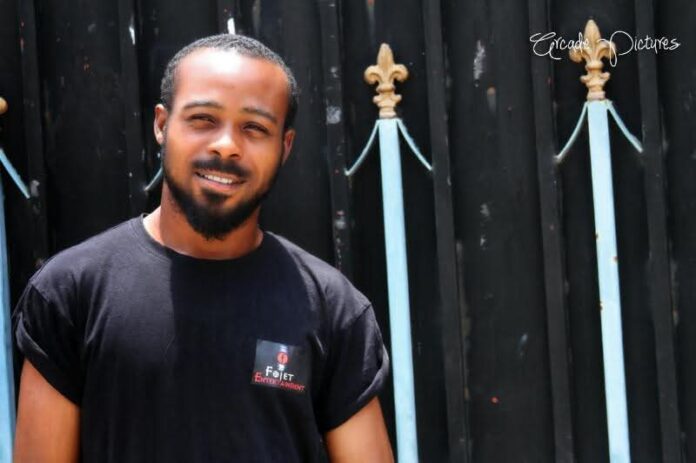
David’s musical journey began as a young drummer in his local church in Ife, where he played for the love and fun of it. After his West African Senior Secondary School Examination (WASSCE) in 2002, he worked at a cyber cafe, leveraging the internet to research and download music materials to fuel his passion. “It was through surfing the internet that I began to come across information about the music business, and my attention gradually turned toward that path,” he said.
By Eberechi Obinagwam
David Adedotun Ademiloye started his brand, Fojet Records, a music business consultancy company that is into artist promotion and event production when he noticed that many incredibly talented gospel artists in Nigeria and across Africa were struggling to gain visibility and access professional promotion, or get booked for events.
In an interview with TheNiche, David, a National Diploma holder in Music Programme from Obafemi Awolowo University (OAU), Ile-Ife said: “Artists make music that ministers to the souls, but lack the business and marketing support to reach a wider audience. I felt a divine assignment to bridge that gap; to use business principles and industry connections to help these artists spread the gospel through their music while also building sustainable careers.”
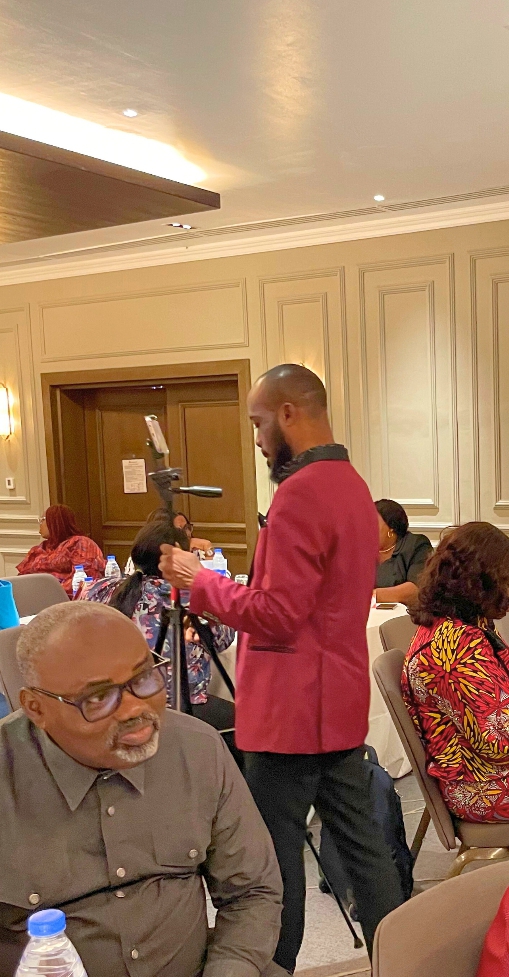
Identifying that gap, David, who had been operating as an entertainment solution provider since 2009, started Fojet Records in 2023 with just a laptop, phone, and his network of contacts built over the years in Lagos, offering basic promotion services to a few independent gospel artists he knew.
He said: “I used my relationships with music blogs like Naijaloaded, Tooxclusive, and Gentleloaded to feature their songs. I handled everything myself—from reaching out to bloggers to tracking streams and reporting back to artists. The first few clients saw real growth in their numbers, and word began to spread. Slowly, what started as a favour to friends became a legitimate business with paying clients.”
Today, Fojet Records provides music promotion services, talent development, and live event production with a special focus on gospel and inspirational music.
David also convened the Unstoppable Gospel Music Fest (UGMFestival), a platform dedicated to elevating African gospel artists.
David’s musical journey
David’s musical journey began as a young drummer in his local church in Ife, where he played for the love and fun of it. After his West African Senior Secondary School Examination (WASSCE) in 2002, he worked at a cyber cafe, leveraging the internet to research and download music materials to fuel his passion. “It was through surfing the internet that I began to come across information about the music business, and my attention gradually turned toward that path,” he said.
READ ALSO:
TheNiche Young Entrepreneur: How Adebodun-Toplonou Deyon turned tailoring lessons to R Fashion Brand
As he continued to hone his craft in his local church, his talent caught someone’s eye, and he was called to the Palace. David was selected to perform as a royal chapel drummer in the Ooni of Ife’s Palace, under Oba Sijuwade Olubushe’s reign, on a volunteer basis.
This opportunity opened his eyes to music’s potential as a career. “It was at this point I decided to see how lucrative music could be if I focused on it as a career”, he said.
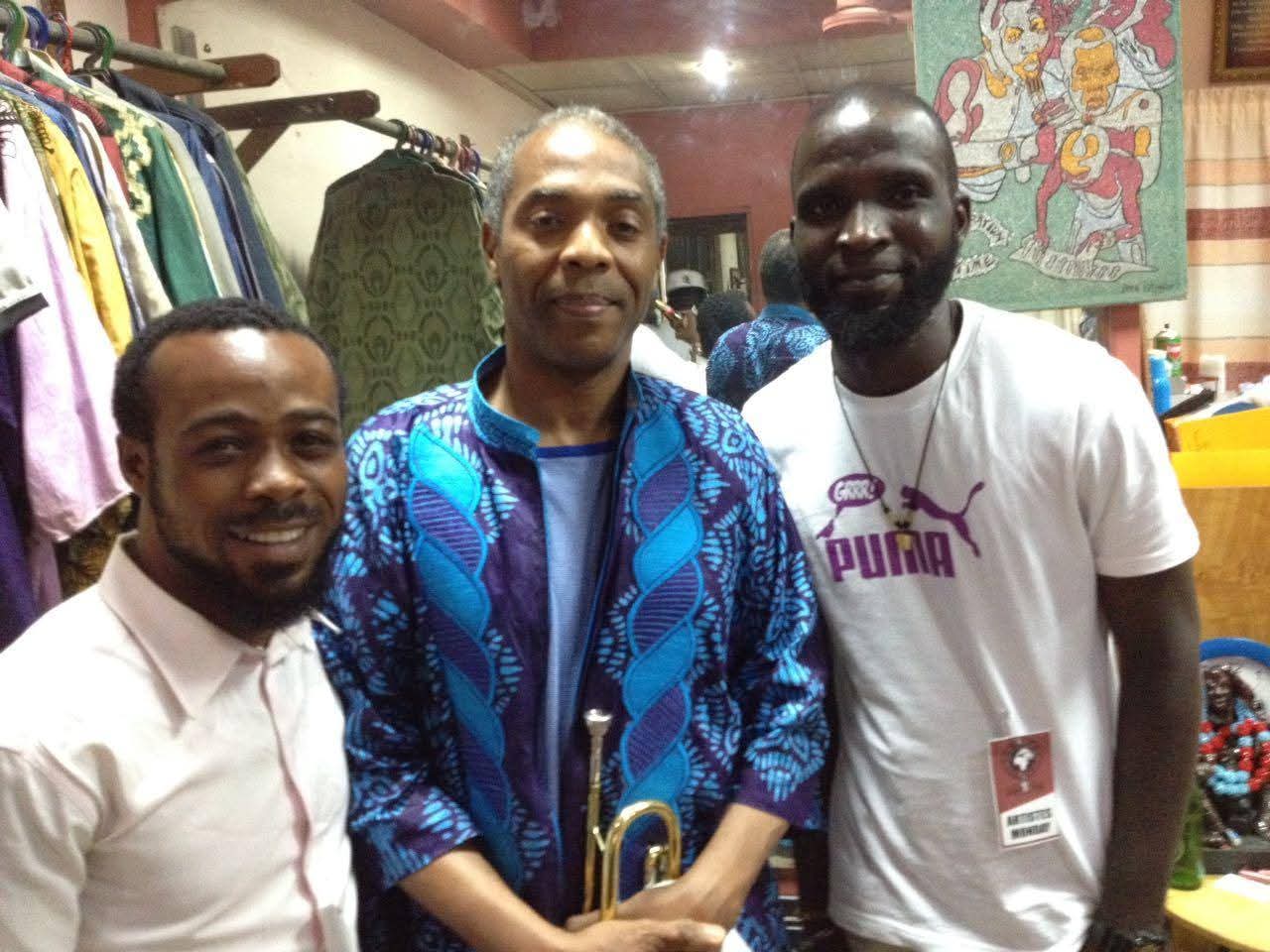
David also had an early foundation in church choir, from children’s choir to adult where he learned the basics of harmony, rhythm and ministering through music. In 2009, he was privileged to come under the mentorship of seasoned ministers and musicians who took time to groom him. “I learned not just how to sing or play, but the heart of ministry—the spiritual side of music,” he said.
“So, my training wasn’t a one-time classroom event. It was a journey—from the church pew to the stage, from the choir stand to the boardroom,” he added.
Capital
David said sourcing for capital remains a significant challenge. He said, starting up, he had no external funding or investor backing. “I was fully bootstrapped,” he said. In solving the problem of capital, David did not wait for enough money to start up, rather, he started small. “I used my personal savings to cover initial costs like data, transportation to meet clients, and small fees to bloggers. I reinvested every profit back into the business,” he said.
He also practiced what he called “sweat equity” —doing a lot of the work himself before he could afford to hire anyone. He said: “I built relationships instead of buying them. Over time, as clients paid for services and saw results, the business became self-sustaining. Today, we are seeking investment to scale, but those early lessons in frugality and resourcefulness remain foundational.”

Penetrating the market
The CEO of Fojet Records said it took him about one year of consistent, quality work to break into the market. “I had to prove myself with results. I would offer discounted rates or even free consultations to the first few clients just to get the opportunity to demonstrate what I could do”, he remarked.
This, he said, is because the music industry in Nigeria is competitive, and gospel music often receives less commercial attention than secular genres. “Many artists were skeptical about paying for promotion because they had been disappointed by past experiences with unserious promoters.
“Once they saw real increases in their streams, downloads, and booking requests, they became my biggest advocates. Testimonials and word-of-mouth became my most powerful marketing tools,” he added.
Humbling experience
David’s most unforgettable experience starting up was securing a promise of payment from a client for a major promotion package, only for the client to end up not paying back, causing him to lose a significant amount of money he couldn’t afford to lose at the time.
He recalled; “In our early days, I secured a promise of payment from a client for a major promotion package. I went ahead and paid the bloggers and invested in the campaign out of my pocket, trusting the client’s word.
“After the campaign delivered excellent results, the client disappeared—refused to take my calls or respond to messages. I lost a significant amount of money that I couldn’t afford to lose at that time.
“That experience was painful and humbling. It taught me hard but valuable lesson about business: trust but verify. I implemented a policy of at least 50% payment upfront before any campaign begins. It wasn’t about being harsh; it was about sustainability. That experience shaped the professional structure we have today”.
Breakthrough
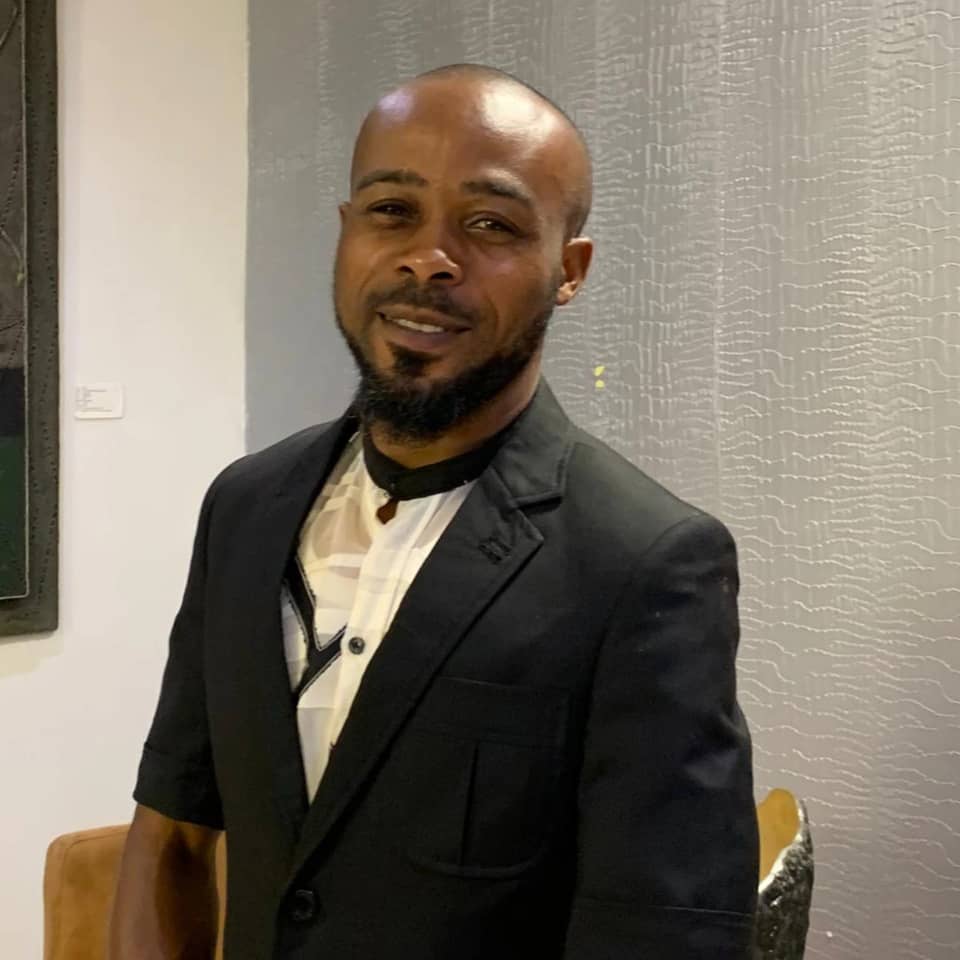
David’s major breakthrough in the music industry came in 2014 when he organized the first edition of the Africa tour for foreign artists which included Kim People (an American Soul fusion artist), Tayor (a Russia-based Nigerian Reggae fusion artist), and the promotion of Enjoy (a UK-based Nigerian rapper).
Another milestone he said was in 2020, when he signed and managed Kunle Ayo—an international award-winning Jazz guitarist—and Minister Jenny Adedotun—a contemporary gospel music talent and Nollywood actress.
Lastly, was the Unstoppable Gospel Music Fest (UGMFestival), which he said has been a major dicovery. He said seeing artists, volunteers, and attendees come together in one place to celebrate gospel music, despite all the logistical challenges, was overwhelming. “The feedback was incredible—artists told us they felt seen and valued for the first time. Attendees shared testimonies of how the music blessed them.”
He added: “That event confirmed to me that this was not just a business; it was a movement. It encouraged me that the vision was valid and that there was a hungry community waiting for what we were building. That momentum has carried us through every challenge since.”
Running a business in Nigeria
David identified irregular power supply, economic volatility, trust deficit, multiple taxation and infrastructure deficit as parts of his challenges running business in Nigeria.
Explaining how these challenges affect him, he said the epileptic power supply affects everything, from communicating with clients to meeting deadlines for content delivery, thereby, making them rely heavily on generators and inverters, which adds significant operational costs.
He said the fluctuating exchange rate affects costs, especially when they need to pay for international platforms or equipment. “Pricing becomes a moving target,” he said.
For trust deficit, David said many people have been burned by empty promises in the entertainment industry, so building trust takes twice as much effort as delivering results.
Explaining further, he said navigating the various taxes and levies at federal, state, and local levels can be confusing and costly for small businesses, adding that infrastructure deficits also affect a lot, from bad roads affecting event logistics to unreliable internet.
He said: “We constantly have to build workarounds for things that should be basic utilities. But, despite these, we adapt and keep moving because Nigerians are resilient innovators.”
Japa
David said he doesn’t judge anyone who chooses to leave the country because they’re seeking a better life. He chose to remain because he believes in Nigeria’s long-term potential and wants to play a part in its story.
He said: “Africa is rising, and Nigeria will rise with it. I want to be part of that story—not as someone who left, but as someone who stayed and helped build something lasting. My contribution to the creative economy here is my way of investing in Nigeria’s future.
“I believe God has placed a specific assignment on my life here in Nigeria. The gospel music community here needs homegrown structures and support. If we all leave, who will build the platforms for the next generation?
“I see opportunity in the midst of the challenge. Yes, the economy is harsh, but that harshness also breeds creativity, resilience, and innovation. Some of the most exciting music and movements are coming out of Nigeria right now because artists are expressing real lived experiences,” he said.

About David
David was born and raised in Lagos. He is a certified music business professional from Berklee College of Music, London (online), with technical training from the Royal Schools of Music London (ABRSM Grade 5) and MUSON School of Music, Nigeria. He holds a National Diploma in Music Programme from Obafemi Awolowo University (OAU), Ile-Ife, Osun State.
He is the CEO of Fojet Records, a music business consultant company that focuses on music promotion, artist development, event production, media relations, and career strategy. David’s biggest endorsement has been the successful organization of the Unstoppable Gospel Music Fest, (UGMFestival). Fojet Records have also built strong relationships with media platforms like TVC where the brand performed at their staff events, Cool FM, Wazobia FM, and others.
David is an employer and a trainer. He has trained many young talents in music.