The consequences of an election
By Uju Okeahialam
In life, people often get distracted by all manners of crises without equally paying attention to what caused the crises in the first place. Although some of those causes can be remote, it will be worthwhile to at least consider the immediate cause of any particular crisis. For instance, many Nigerians spent energies discussing the disruptive activities of the EndSars without addressing the disruptive SARS activities that caused them.
Similarly, there are some who have commented on the disruption of the “Hunger-Strike” without addressing the government policies that created the hunger. However, at the political heart of things as these, is the saying that elections have consequences. Therefore, the thought of bringing about a more lasting remedy brings us to consider the phrase: Sanatio in radice. It is a Latin phrase that speaks about how true remedy can be achieved—and it is by “healing from the roots”—which is the translation of the Latin phrase.
In Nigeria, people are distracted by compelling arguments about excessive presidential powers, like why a president should not appoint Judges, INEC officials, etc. Apparently, gullible people, regardless of the number of academic degrees they have to their names, like echo chambers, go on to make the same argument at every forum they find. And because their suggestions do not see the light of day, many more people are thrown into despondency thinking that nothing works and that everything is hijacked.
But come to think of it, what is the presidency if it concedes these appointing and nominating powers to another body; and how insulated would those bodies be from the life of the wider community with its good, its bad, and its ugly sides? Let it be known that politics (democracies) exist as a system of transfer of peoples’ trust into the hands of the few elected individuals in order for them to make those appointments for the good of the people. As a result the fuss about stripping elected officials of their rights to make appointments is sincerely a false fussing. On the other hand, it should rather be spoken as loudly as it can be that election has consequences. Electing a dishonest leader should be noted as a prelude to the appointment of a dishonest team and the appointment of dishonest officials.
Human efforts notwithstanding, human nature, like pregnancy cannot be hidden forever. The holy book said that the heart of humans are mysterious. It means that cheats cannot be perfectly checked form climbing to the rungs of power in a society. The cheats can deceive their way to power and because power discovers the man, their true colors will not take long to be revealed when they get to power. What democracy offers, if truly lived, is an equal possibility of not allowing those cheats to be in power forever. This is why every democracy has tenures attached, to enable the people to exercise their authority to reward the good or to withdraw their support (punish) from the bad. This is why democracy is the preferred choice of governance for most people regardless of the benevolence of an autocrat.
To prepare for this time of judgment, democracies distinguish between what it calls, the time for politicking and the time for governance. The governance period is a time when the elected manages the people’s trust in order to build the scorecard that will be presented for the eventual reward with renewed mandate or punishment with withdrawn mandate. As this time is being awaited, the people’s representatives and other concerned citizens do their best to influence policies that make it possible for the peoples voice to be heard and their interest to be protected. This is because in a democracy the people do not give their trust and go to bed—they are involved within the bounds as individuals and through their representatives, who are also being watched. In doing this they can articulate, recreate, firm-up, or withdraw structures and institutions that stifle their wills and their best interest. This, as already stated, is to bring about a clear sanatio in radice than fussing over effects instead of what created them.
Therefore, realizing that the enabling and effecting laws in INEC are the more immediate causes (structures) that midwifed the apparent painful administration in the eyes of many, it will be important to focus energy in closing all the loopholes and firming-up the appropriate enabling laws of that body so that the will and the good of the people can be realized. The focus on INEC is not that of making a scape goat. Rather it is premised on the assurances they gave, for which people massively voted. Like in the rules of contract, they did not hold up to their side of the bargain when they argued in the Court that they were not bound to follow the protocol that the petitioners argued.
I am quite sure that if they had said prior to the elections that they have the freedom to follow either, enthusiasm for the election would not have been the same. Tell me the lady who will accept a man’s proposal if the man at the time of proposal said that, “I will marry you but if things get tough and my ex appears I will leave you for her.” None. Could they still separate in the future for one thing or the other? Yes. And when that happens, the reasons for the separation are presented and defended on their merits.
It is here that the Peter for Nigeria should be applauded and supported. Not because the Congress has failed, but because they are beneficiaries of those loopholes and would not ordinarily be excited to undercut themselves. Although it would have been easier to go through them, but legislation in democracies can also emanate from outside the legislature and the executive (as well as those laws that emanate from policy pronouncements courtesy of judicial intervention).
Election has consequences and if the system is not enabled to bring up the best, neither will the emanating decisions, policies, and appointments from them be the best. Since elections are conducted to bring up those who will make those decisions, policies, and appointments, anyone who does not like what is on the ground should join hands to create policies, agitate, and participate to influence and elect those who would best hold that trust. That is true sanatio in radice and a show of citizens’ supremacy than always reacting to effects instead of the things that cause them.
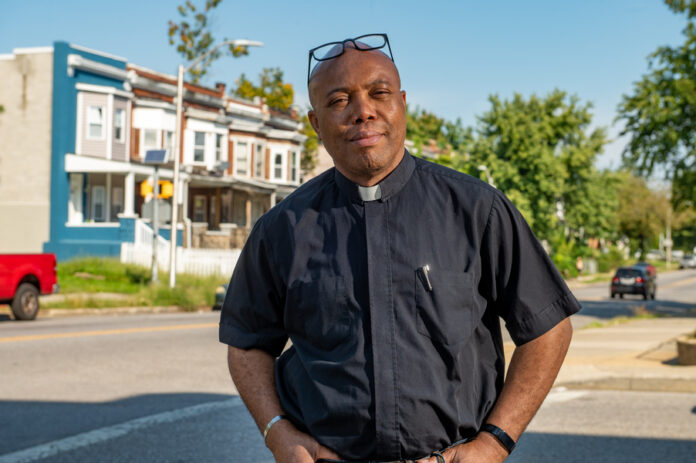
- Uju Okeahialam, PhD, is a Catholic Priest based in Maryland, USA