Searching for an Igbo President: Beyond sentiment and social media euphoria
By Ogechi Okoro
The question of when Nigeria might produce a president of Igbo extraction continues to concentrate many minds. Yet beyond the enthusiasm on social media and among political supporters, it is important to ask a more strategic question: who exactly has the political capacity to achieve this objective? At the moment, much of the public’s excitement appears to centre on Peter Obi. While Obi is widely admired for his integrity and financial prudence, admiration alone does not necessarily translate into the kind of political machinery required to win and consolidate power in Nigeria.
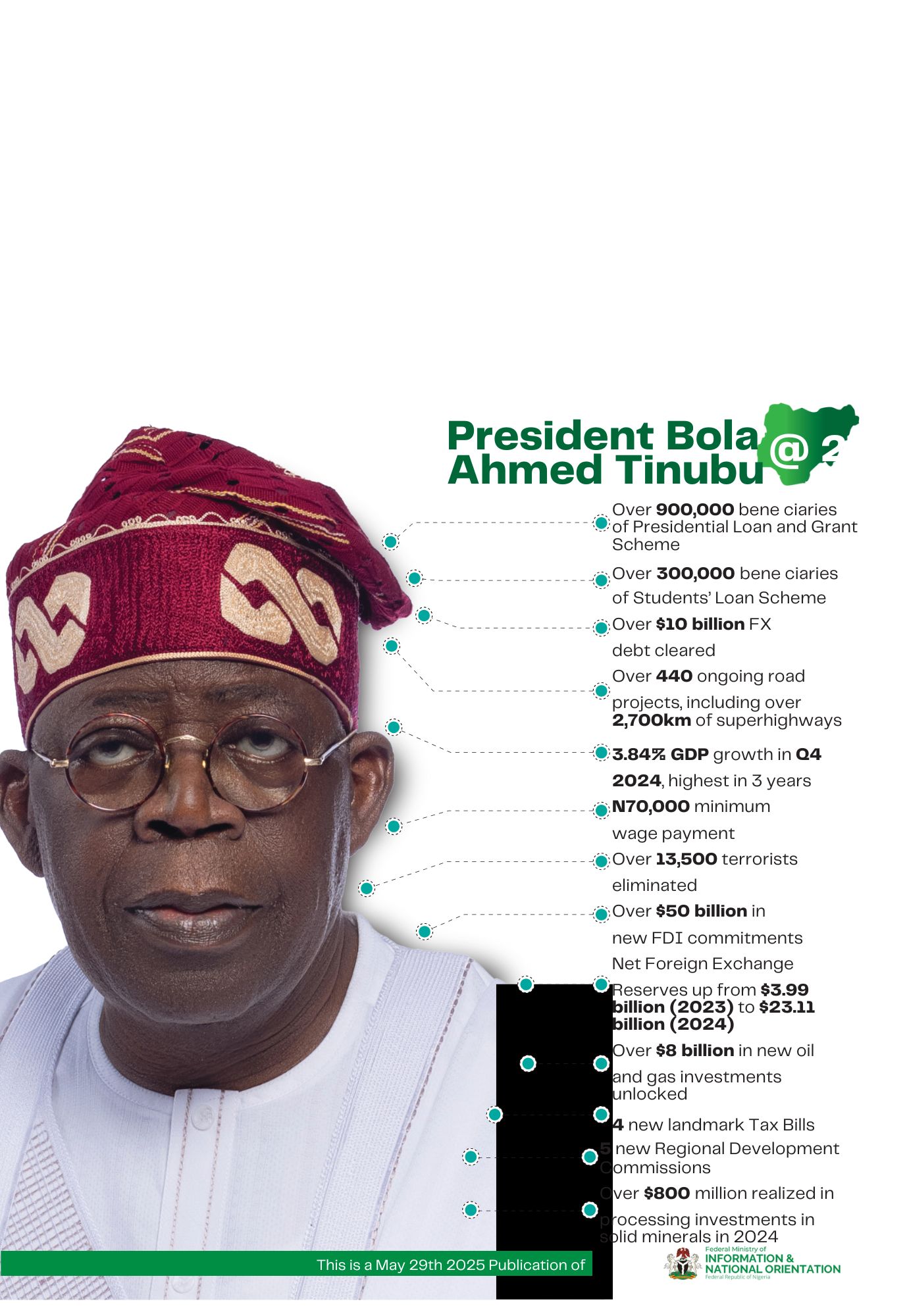
If the Igbo political class is serious about producing a president, it must first understand the nature of power in the Nigerian political system. The rise of Bola Ahmed Tinubu provides a useful case study. Fifteen years ago, many observers dismissed Tinubu as a regional power broker whose influence would never extend beyond the South-West. Today, he sits in the most powerful office in the country.
Tinubu’s ascent did not happen by accident. It was the product of long-term political planning, elite networking, coalition building, and an unapologetic commitment to the political advancement of his regional base. He cultivated loyal allies, invested in political structures, and positioned key Yoruba figures across different layers of national influence. In doing so, he demonstrated a clear understanding of the realities of Nigerian power politics.
READ ALSO: The war and lingering Igbo question
Tinubu also learned important lessons from Muhammadu Buhari, whose political career showed that strong regional loyalty does not prevent national success. Buhari built a formidable northern political base that remained loyal to him over several election cycles before he eventually captured the presidency.
By contrast, Peter Obi represents a very different political archetype. His appeal lies largely in his message of accountability, fiscal discipline, and national unity. These are admirable qualities and, in many respects, desperately needed in Nigeria’s governance landscape. However, the challenge is that Nigeria’s political system often rewards a different set of skills, strategic negotiation, coalition management, and the ability to operate within entrenched elite networks.
Obi’s political style appears rooted in consensus-building and broad national appeal. While that approach may improve governance outcomes if he were to become president, some observers question whether it would translate into strategic political advantage for the Igbo political project itself. His outlook echoes the philosophy of Nnamdi Azikiwe, whose commitment to a unified Nigeria sometimes came at the expense of building enduring regional political leverage.
It is worth remembering that the presidency in Nigeria is rarely secured on the strength of moral appeal alone. Electoral victory requires a sophisticated political infrastructure and the backing of powerful political elites who shape outcomes behind the scenes. A candidate who positions himself primarily as an anti-corruption crusader may inadvertently alienate many of these influential actors whose support is essential for national electoral success.
This is where the strategic dilemma lies. Many Nigerians admire Obi’s humility and personal discipline, but presidential politics in Nigeria demands more than personal virtue. It requires a certain political toughness, the ability to make difficult compromises, and the willingness to navigate complex alliances.
For those who believe that the Igbo presidency must be pursued as a deliberate political strategy, the search may therefore need to extend beyond figures who rely primarily on technocratic credibility. The candidate who eventually achieves this goal may need to combine political boldness, elite negotiation skills, and a strong regional political base.
This is why certain names who represent a more combative and politically assertive style that some believe better reflects the realities of Nigerian electoral politics occasionally surface in such conversations.
Ultimately, the issue is not about personalities alone. It is about political strategy. If the aspiration for an Igbo presidency is to become a reality, it will require careful long-term planning, coalition-building across regions, and the cultivation of political structures capable of sustaining national ambition.
The lessons of Nigeria’s political history, from Azikiwe to Buhari and now Tinubu, suggest that idealism, while admirable, is rarely sufficient on its own. Power in Nigeria is organised, negotiated, and defended through political structures that take years, sometimes decades, to build.
Until the Igbo political establishment confronts this reality with clarity and strategic discipline, the dream of an Igbo president may continue to generate excitement, but remain politically elusive.
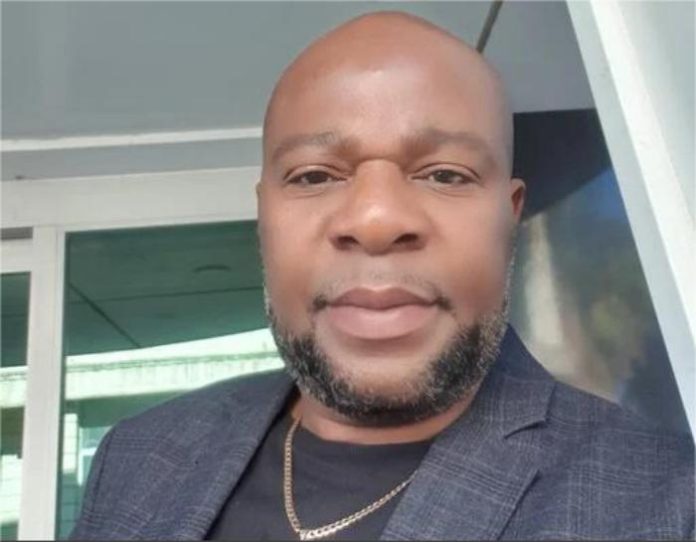
- Dr. Ogechi Okoro writes from Hamilton New Zealand