


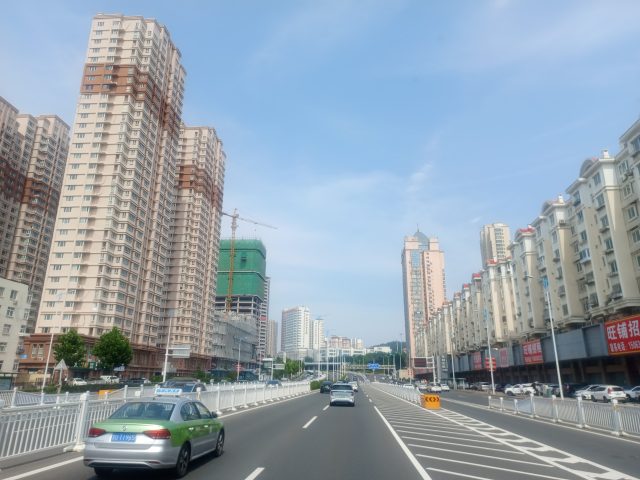
Qingdao: The city of wine, tea, leisure and high-tech – I left China fully convinced that leadership matters. But what matters even more is the leadership recruitment process. Any country that allows certificate forgers and shady characters to fall through the leadership cracks can only dream of development without attaining any significant height. That is the fate that has befallen Nigeria. The country is significantly diminished today because most of her professional politicians are never there for public service, but to privatise public assets. And to make matters worse, the people who are being raped, literally, cheer the kleptocrats on. There are no consequences for bad behaviour in the public office. Instead, we are being urged to pray for those who ruin the country. But, make no mistake about it, the problem of bad leadership we fail to address now will only get worse. No country prays itself out of poverty. And prayers don’t change bad leaders, a determined and self-conscious people do. Anything short of that remains wishful thinking, which, in itself, is not a strategy for nation building.
By Ikechukwu Amaechi
My recent visit to China, which I wrote about in this column two weeks ago (See China and live), opened my eyes as to what it takes to build viable and prosperous nations. I have been privileged to travel to many countries globally, and in terms of development, China takes the cake.
While here in Nigeria we continue to major in minor things, a country where acquisition of state power is an end in itself, China is busy pushing the frontiers of human development as state actors use power to serve common good. In China, the few who misread the essence of their mission in public service pay very steep price. In Nigeria, such idiocy is celebrated as evidence of political adroitness. That, in a nutshell, explains why China is at the apogee of human development while we plumb the depths of misery.
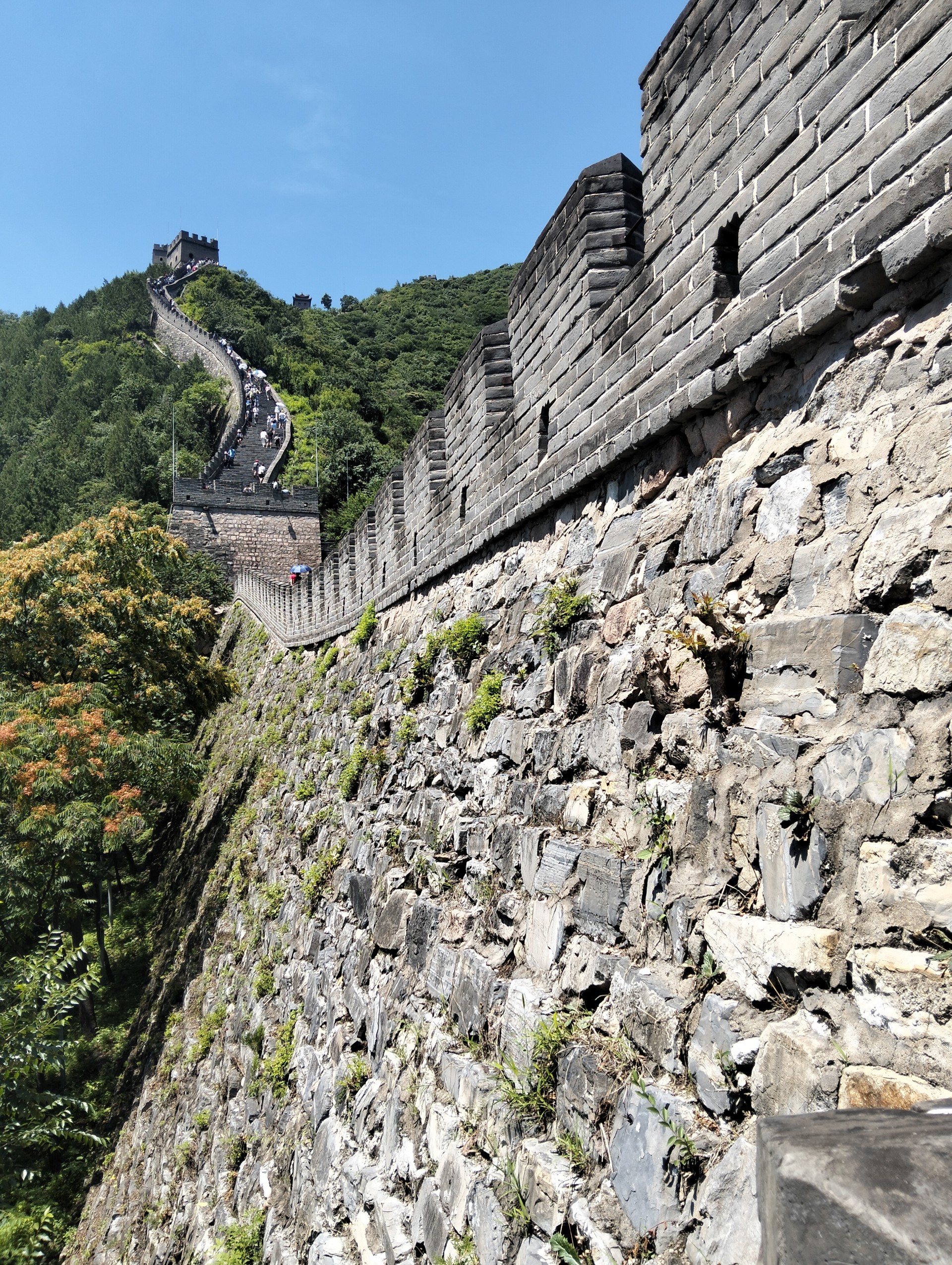
In the first four days which we spent in Beijing, we visited the Juyongguan Great Wall, part of the 21,196.18 kilometre long Great Wall of China, one of the world’s most impressive ancient structures; Summer Palace, arguably China’s most magnificent imperial garden, which as a UNESCO World Heritage Site was listed in 1998 as a masterpiece of Chinese garden design; the iconic Jingshan Park that offers a panoramic view of Beijing, especially the famed Forbidden City; the Temple of Heaven, another UNESCO World Heritage Site, renowned as one of Beijing’s most iconic imperial religious sites; the Capital Museum, Laoshe Teahouse, Beijing Zoo and the Changping District Integrated Media Center.
Of course, we were at the historic Tiananmen Square, epicenter of the 1989 students-led demonstrations, but which today is a tourist destination housing the Monument to the People’s Heroes, the Great Hall of the People, the National Museum of China, and the Mausoleum of Chairman Mao Zedong, who proclaimed the founding of the People’s Republic of China on October 1, 1949. We drove past the Chinese president’s office located within the Zhongnanhai leadership compound in Beijing, adjacent the Forbidden City and near the Tiananmen Square.
By the end of the fourth day, I thought I had seen it all, hence my first article, “As China ups its game in tourism.” Beijing, the capital city of China, is a great city of splendor, no doubt. But nothing prepared me for what I saw in the picturesque coastal city of Qingdao in the Shandong Province where we spent another four days.
As I noted in my June 26 article – See China and live – if Beijing could be likened to a great city, which it is, Qingdao is heaven on earth. Located on the southern tip of the Shandong Peninsula, on the shores of the Yellow Sea, Qingdao, a coastal city famous for its German colonial heritage, beaches and Tsingtao beer, with excellent natural resources, also serves as an international transportation hub. With a population of approximately 10.3 million residents, the largest in Shandong Province and one of the 15 most populous cities in China, the city has a GDP of about $220 billion, making it one of the country’s top 15 cities by economic output.
A city very much at ease with itself, it was selected as one of the happiest Chinese cities in 2020. In 2024, the State Council approved it’s positioning as an important national historical and cultural city, a modern ocean city, and an international transportation hub.
In the four days we spent there, we visited the Qingdao Port Automation Terminal, making our way through the Jiaozhou Bay Cross-sea Bridge. The Qingdao Port is China’s third-busiest by cargo volume, handling over 700 million tons annually. We were also at the Qingdao Huadong Wine Estate; Shilaoren (Stone Old Man) Beach; Qingdao Beer Museum; Xiao Yang Chun Tea Farm and Museum located in the Laoshan Estate where we had an unforgettable tea experience; Hisense Group and Haier Group; Qingdao Newspaper Group; and capped it with a lunch with officials of the Qingdao Foreign Affairs Office that included Mr. Ding Anhui, Deputy Director-General, Mr. Zhao Hui, Director of Policy and Regulation, Mr. Yu Yu, Director of Europe and Africa Department and Mr. Wang Cheng, Deputy Director of Policy and Regulation.
The magnificence and technological prowess of the city is made manifest in the Jiaozhou Bay Bridge, an engineering wonder of 41.58 kilometres. The fact of the bridge which took five years – 2006 to 2011 – to complete is breathtaking. But when Jiaozhou Bay Tunnel, the 7.8 kilometre undersea bridge, is thrown into the engineering mix, everything wears the cloak of sheer magic. Built using drill-and-blast and tunnel boring machine (TBM) method, the tunnel lies up to 82.8 metres below sea level. Since it was opened on June 30, 2011, it has significantly reduced travel time between Qingdao and Huangdao. Before the tunnel, driving around Jiaozhou Bay took one and half hours. Now, it takes less than 15 minutes.

Jiaozhou Bay Tunnel, the 7.8 kilometre undersea bridge which lies up to 82.8 metres below sea level
Then there is the Qingdao Port on the Yellow Sea Coast which is the world’s fifth busiest container port. It is among the top 10 global ports by cargo tonnage – over 700 million tons annually. Presently, the Qianwan Port area, which is the main container hub and one-third of the entire port has been fully automated with no human workers on site. The automated section alone handles three million containers a year and 10,000 a day.
But beyond these, Qingdao is famed for its tea, wine, leisure and high-end technological feats. Here, global giants – Hisense and Haier – call the shots. In fact, Hisense, Haier and Tsingtao Brewery are famed as the “big three” at the heart of the city’s unprecedented development.
Hisense is one of China’s largest and most globally recognized electronics companies with a strong presence in over 160 countries. For many Nigerians, what is known about the company are its iconic televisions. But a visit to its corporate headquarters unveils a range of breathtaking products that are way beyond smart televisions. Most fascinating is the fact that maximizing Cloud and Artificial Intelligence services, Hisense has been able to create smart homes and AI-powered appliances that are not only fully automated but also activated by voice. But it is its foray into medicals – surgical imaging and ultrasound machines – that has become the ultimate game changer.
And just like Hisense, Haier, one of the world’s largest home appliance manufacturers and a pioneer in smart home technology has deployed the smart ecosystem of Internet of Things (IoT) and AI to revolutionize home appliances and healthcare equipment. Deploying these awe-inspiring technologies in manufacturing, Haier has produced every imaginable product including bathrooms, beds, wardrobes, kitchens, etc. that all you need is to walk in and talk and they will obey. You don’t need a remote control device anymore. The light in your home or office functions when you just call out Sayo Sayo, the busy artificial brain, to do the needful. Today, Haier has transformed from a local refrigerator factory into a multinational manufacturing giant with a strong presence in over 200 countries.
Then, there is the Tsingtao Brewery, completing the trinity. Founded in 1903 by German settlers, Tsingtao Brewery is one of China’s oldest and most famous beer brands. It is the second-largest beer producer in China and a key player in the global market. Today, Tsingtao Brewery plays a major role in Qingdao’s economy creating thousands of jobs in brewing, logistics and tourism. As a cultural symbol, the Qingdao International Beer Festival held annually since 1991 attracts millions of people from across the globe. But by far, the most creative venture is the beer museum, which has become a top tourist site in Qingdao. Over 1.8 million people visited the museum in 2024.
In essence, Tsingtao Brewery is more than just a beer. It is a cultural icon of Qingdao and a symbol of China’s globalization. Alongside Hisense and Haier, it solidifies Qingdao’s reputation as a hub for manufacturing, exports and tourism. There is also the wine industry. The Huadong winery perched on the serene hillside of the city which produces 600 bottles an hour and sells about four million bottles a year. Then, there is the Laoshan Tea, Qingdao’s local specialty. In fact, the tea plantations in Laoshan Mountain, like every other thing else in China, have become tourist destinations. Luxuriating in its coastal charm, blending history and innovation, Qingdao has become a destination for business and travel alike.
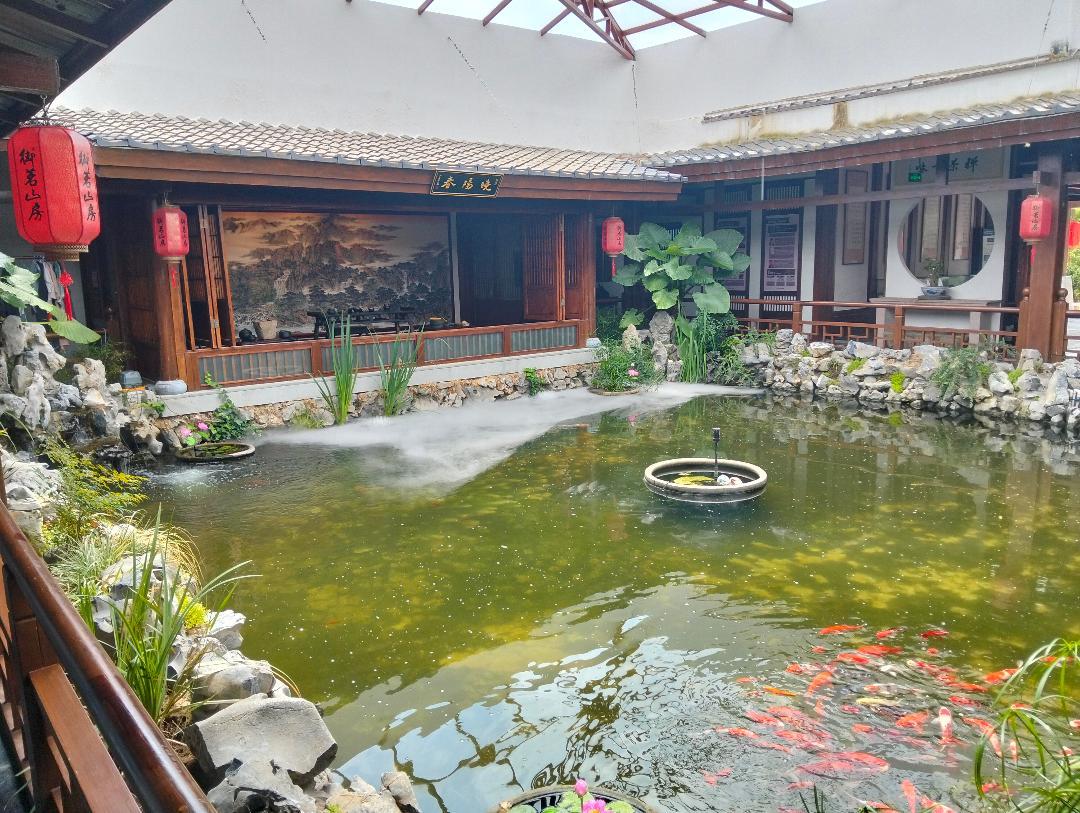
The Xiao Yang Chun Tea Farm and Museum
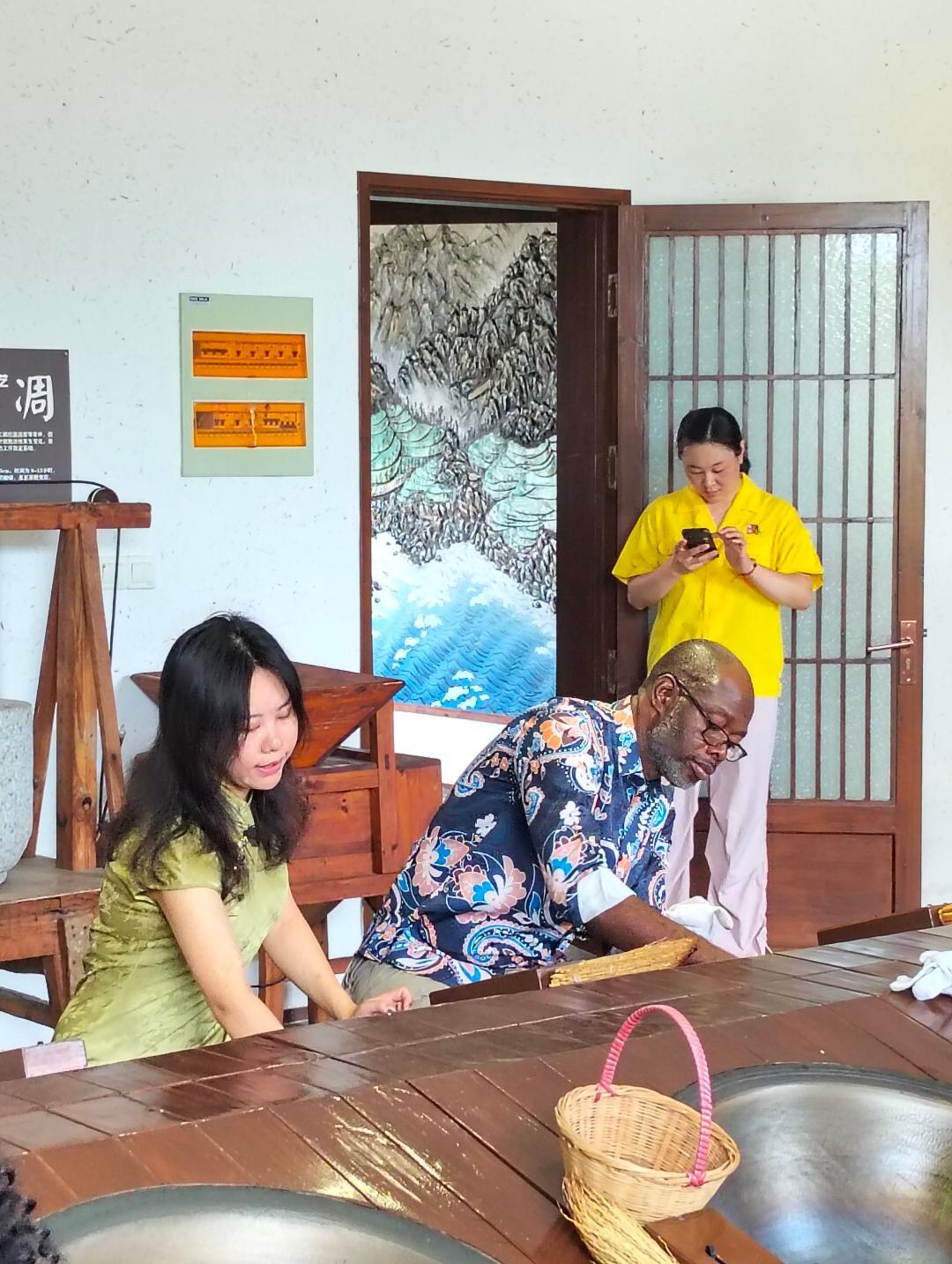
Producing one of the 56 different brands of tea at the Xiao Yang Chun Tea Farm located in the Laoshan Estate
I left China fully convinced that leadership matters. But what matters even more is the leadership recruitment process. Any country that allows certificate forgers and shady characters to fall through the leadership cracks can only dream of development without attaining any significant height. That is the fate that has befallen Nigeria.
The country is significantly diminished today because most of her professional politicians are never there for public service, but to privatise public assets. And to make matters worse, the people who are being raped, literally, cheer the kleptocrats on. There are no consequences for bad behaviour in the public office. Instead, we are being urged to pray for those who ruin the country.
But, make no mistake about it, the problem of bad leadership we fail to address now will only get worse. No country prays itself out of poverty. And prayers don’t change bad leaders, a determined and self-conscious people do. Anything short of that remains wishful thinking, which, in itself, is not a strategy for nation building.
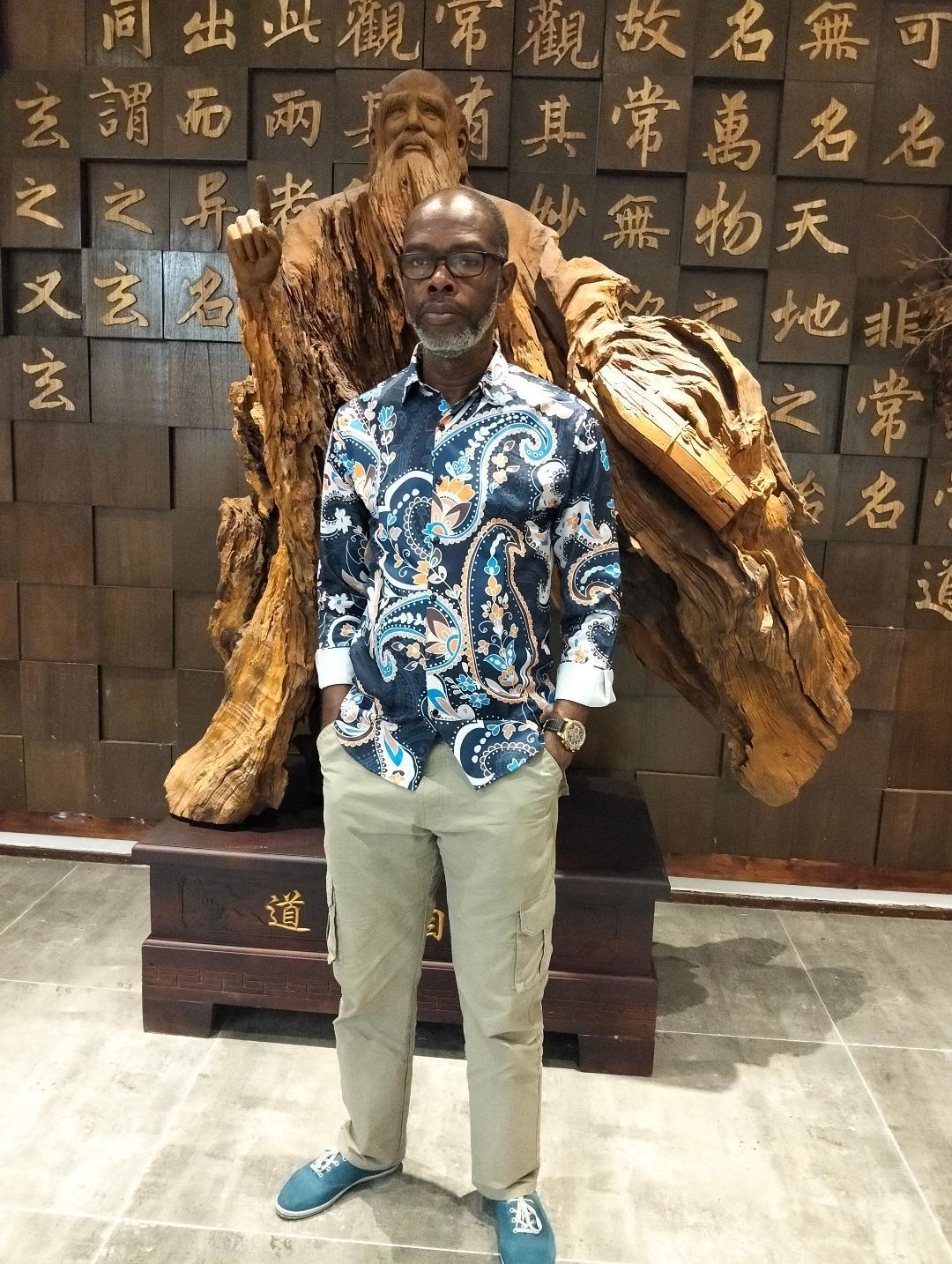
Ikechukwu Amaechi at the Xiao Yang Tea Farm and Museum, Laoshan Estate, Qingdao City

