Peterside, Kukah, Emir Sanusi, others expand mandate of GoNigeria
By Jeffrey Agbo
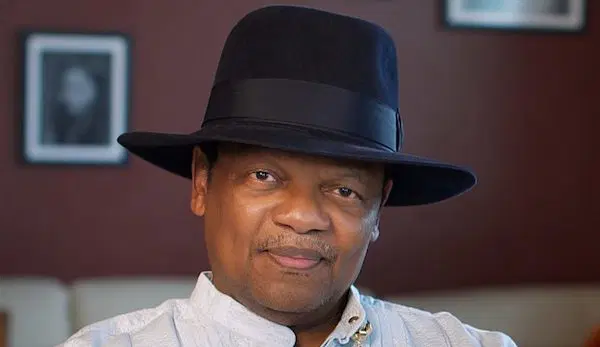
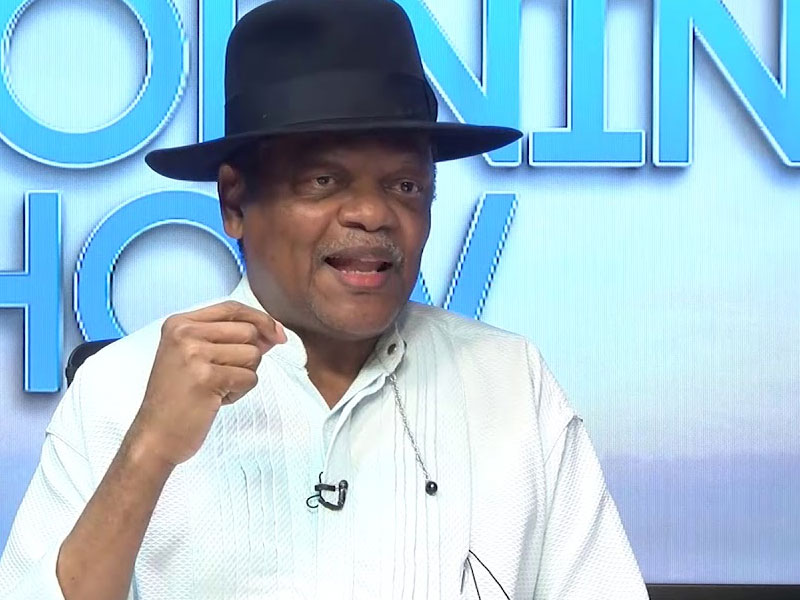
Convener of GoNigeria, Atedo Peterside, and 23 advocates at the helm of the group have expanded its mandate to include advocacy for electoral reform, freedom of speech, judicial reform and the security of life and property.
The group said in a statement on Wednesday that the expansion was driven by the recognition that building a durable democracy in Nigeria demands more than periodic elections.
“The GoNigeria Initiative was conceived to promote full citizen participation in the electoral process —especially among young people. Nigerian youths were sensitized and encouraged to register with the Independent National Electoral Commission (INEC), collect their Permanent Voters Cards (PVCs), and turn out en masse during general elections,” the statement said.
“However, GoNigeria considers it necessary to expand its mandate to include advocacy for electoral reform, freedom of speech, judicial reform, and the security of life and property. This expansion is driven by the recognition that building a durable democracy in Nigeria requires far more than periodic elections. It depends on strong institutions, protected rights, and security structures that command public trust and ensure accountable governance.”
The statement noted that electoral reform, freedom of speech, judicial reform, and security are foundational pillars that directly address Nigeria’s longstanding challenges of legitimacy, participation, justice and state authority.
It added that “electoral reform lies at the heart of democratic legitimacy, as elections are the primary means through which citizens choose their leaders. In Nigeria, flawed elections—characterized by vote-buying, result manipulation, intimidation, and weak electoral administration—have often undermined public confidence in democracy. Electoral reform strengthens democracy by: (i) Ensuring credible leadership selection; (ii) Encouraging political participation; (iii) Reducing violence and litigation; and (iv) Deepening accountability.
“Without credible elections, democracy risks becoming symbolic rather than substantive.
“Freedom of speech is the lifeblood of democratic governance. It enables citizens, civil society, and the media to scrutinize power and express diverse viewpoints. In Nigeria, protecting freedom of speech is critical because it: (i) Enables informed choice; (ii) Checks abuse of power; (iii) Encourages inclusion; and (iv) Strengthens political competition.
“A democracy that silences dissent risks sliding into authoritarianism, even if elections continue to hold.
“An independent, efficient, and credible judiciary is the backbone of constitutional democracy. Judicial reform is essential in Nigeria because it: (i) Upholds the rule of law; (ii) Resolves electoral and political disputes; (iii) Protects fundamental rights; and (iv) Combats corruption
“When the judiciary is weak, politicized, or corrupt, democracy loses both its moral authority and legal foundation.
“Security is a fundamental precondition for democracy. Citizens cannot participate meaningfully in democratic processes under conditions of fear and violence. In Nigeria, persistent insecurity—manifested through insurgency, banditry, kidnapping, communal conflicts, deployment of thugs during elections and other crimes—undermine democracy by: (i) Restricting political participation; (ii) Eroding state legitimacy; (iii) Encouraging authoritarian responses; and (iv) Disrupting economic life.”
According to the statement, without these foundations, democracy in Nigeria risks remaining procedural rather than transformative—existing in form, but not in substance.
“A democratic system can only be stable and successful if citizens understand, value, and actively defend it. Join us and defend democracy,” the group said.
Other advocates who signed the statement are Abubakar Siddique Mohammed, Aisha Yesufu, Arunma Oteh, Ayisha Osori, Obonganwan Barbara Etim James, Binta Max Gbinije, Dike Chukwumerije, Dudu Mamman Manuga, Folarin Falana (Falz), Hamzat Lawal, Ibrahim Dahiru Waziri, Kashim Ibrahim-Imam, Bishop Matthew Kukah CON, Muhammad Ali Pate, HH Muhammad Sanusi II (Emir of Kano), Ngozi Coker, Nuruddeen Lemu, Osita Chidoka, Salamatu Hussaini Suleiman, Sola Akinyede OON, Tomiwa Aladekomo, Tony Rapu, and Yemi Adamolekun.