Nestlé’s example: Empowering families through women
By Eberechi Obinagwam
Christiana Akinrimade is a visually impaired woman, a mother of two, and has a runaway husband. She was not born blind but lost her sight to glaucoma in 2014, despite numerous attempts at prevention. With two little children to support and no sight, Christiana’s resilience as a woman was put to the test.
Before losing her sight, she worked as a banker at Societe Generale Bank, Broad Bank, and Omega Bank (now Keystone) before rounding off her banking career with a Microfinance bank where she functioned as a Marketing Manager.
Her husband abandoned her even before she lost her sight, leaving her as the sole provider for their two children. But being visually impaired was not a barrier for this determined woman.
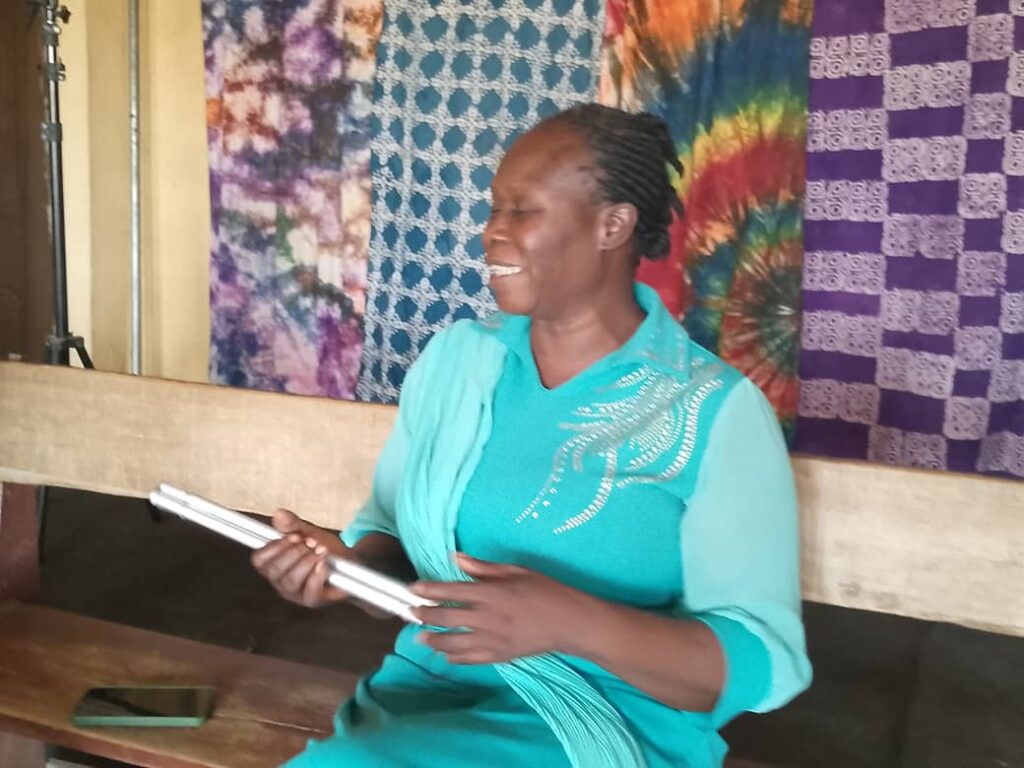
In search of both medical and economic solutions, she learned about the School of the Blind in Oshodi, Lagos. She quickly enrolled and learned multiple handcrafts, including shoemaking, bags, textiles, tables, and Kampala (tie-dye). Armed with these trades, Christiana faced life with the confidence that her children would not have to beg for food on the streets of Lagos, nor would their education be truncated. Her two children are now university graduates.
Christiana’s story highlights the resilience of women and their power to thrive when given the right opportunity, which is a key insight that informs Nestlé Nigeria’s Empowering Rural Women initiative.
The Nestlé Initiative
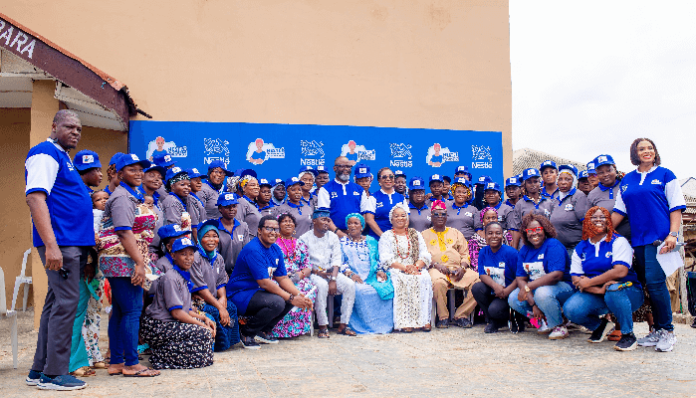
Nestlé Nigeria’s Empowering Rural Women initiative was launched in 2021 to support women retailers in underserved communities, recognizing their critical role in driving local economies. The program includes grants, training, and mentorship.
The goal is to strengthen small businesses, enhance livelihoods, and support financial independence among rural women, who are crucial to local economies.
Participants are female retailers who receive training in entrepreneurship, bookkeeping, merchandising, customer service, and other essential business skills. Each participant is assigned a personal mentor for three months to provide guidance and help sustain the lessons learned.
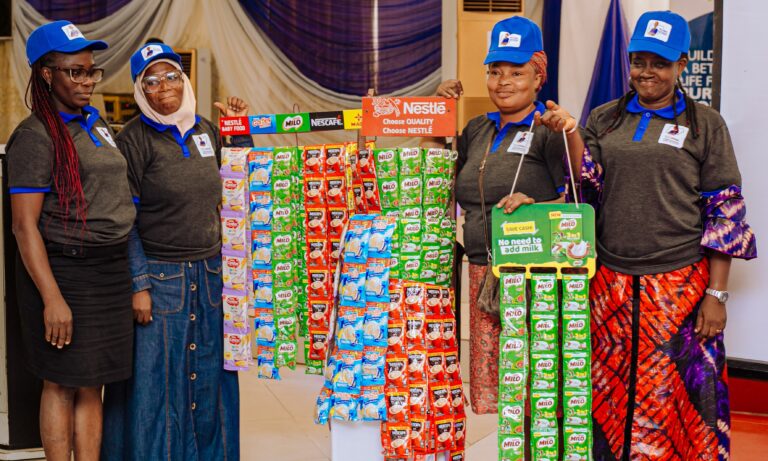
At the end of the program, beneficiaries receive grants of Nestlé products, valued at up to 300% of their current monthly sales, to help them scale their businesses. So far, over 380 women have benefited from the program since its inception. Over 85% of participants have reported sustained business expansion, with many increasing their turnover and revenue; some have even reported 100% to 200% growth within three months.
The initiative has enabled beneficiaries to support their families with an improved standard of living. For instance, one of the top performers, Mrs. Oghenetega Delight Jombo, achieved a 675% business growth within six months of the support and has sustained a high monthly turnover.
Following Jombo’s success story and many others, the initiative has expanded its reach to multiple locations across Nigeria, including Ogun, Osun, Lagos, Enugu, Rivers, and the FCT. A recent pilot phase also specifically targets widows, providing them with enterprise management training and networking opportunities.
Bridging the Gender Gap
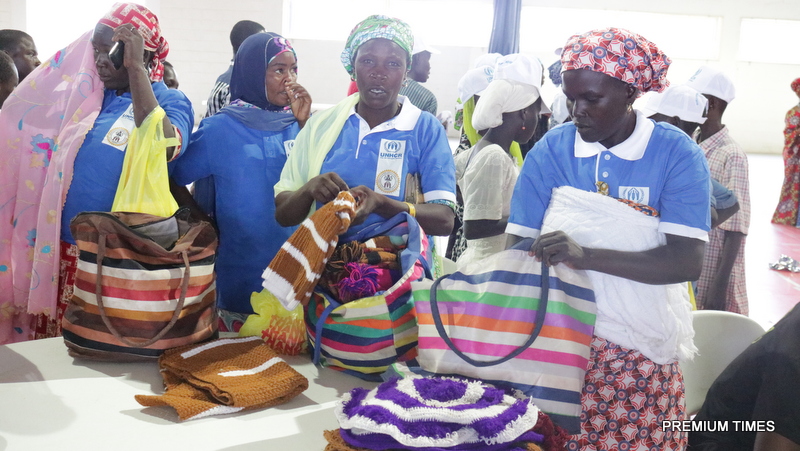
Women play a crucial role in nation-building as the backbone of families and communities. They provide care, support, and nurturing to their families and are essential to the development of children. Women also play a significant role in community building and often take on leadership roles in community organizations. Yet, they are economically disadvantaged.
Research shows that women perform 2.6 times more unpaid care work than men, hold fewer managerial positions, and lag in political representation, with only 22.9% of cabinet ministers being women globally. Despite being half the global population and potential workforce, gender inequality persists, impacting areas like poverty (where 60% of the chronically hungry are women), agriculture (where equal access to resources could increase yields by 20-30%), and entrepreneurship, where women’s start-up and established business rates are lower than men’s.
Initiatives such as Nestlé Nigeria’s Empowering Rural Women aim to bridge that gap.
Victoria Uwadoka, Corporate Communications, Public Affairs, and Sustainability Lead at Nestlé Nigeria, emphasizes the genuine opportunity the program creates: “Supporting rural women to scale their retail operations by up to 300% within just three months is not only beneficial for business but also essential for fostering a more inclusive economy, stronger families, and resilient communities.”
She added that the program has been transformative: “We have witnessed the transformative impact of structured training, mentorship, and business grants on the women who have already benefited from this initiative, and we are confident that we will see more success stories emerge.”
Boladale Odunlami, Commercial Manager at Nestlé Nigeria, elaborated: “At Nestlé, we are intentional about creating growth opportunities across every segment of our value chain… Since its inception, over 380 women have benefited from the program, with more than 85% reporting sustained business expansion. With product grants valued at up to 300% of their existing business size, participants have improved their turnover, increased revenue, and strengthened their community presence.”
Mrs. Eniola Fausat, a beneficiary, shared her experience: “With the training and support, I am now more confident that I can improve my shop and better support my family. I thank Nestlé for believing in us.”
Nestlé realizes that there are many Christiana Akinrimades who have the power to create wealth and lift the fortunes of their families, but the lack of support has limited them.
Other Empowerment Efforts
Aside from Nestlé Nigeria, some other firms are also ensuring that women get the necessary empowerment they need to thrive, both in business, corporate affairs, politics, and other fields.

Women in Management, Business and Public Service (WIMBIZ) champions women’s empowerment by advocating for broader female leadership representation, promoting gender equity in business and politics, and empowering women through networks, mentorship, and programs like its annual conferences and trade webinars.
MTN also empowers women in Nigeria through programs like Y’ellopreneur, which provides training, access to capital, and mentorship for female entrepreneurs, and by promoting women in the workplace through mentorship, flexible work policies, and initiatives like Women in Tech.
These pockets of economic empowerment initiatives reinforce a key finding from a Eurasia Group report, which indicates that if policymakers prioritized investments in women’s economic power, the global economy could grow by an additional 7%, or $10 trillion, by 2030.
A report by The Economist states that the vast majority of women said owning or expanding a business was their biggest economic ambition, and the biggest barrier they faced was lack of access to start-up capital.
If more organizations would take a cue from Nestlé, especially by reaching out to women in rural areas, not only will women’s fortunes change, but those of their kith and kin as well.