Inclusive governance, education reform key to lasting peace – Prof Mimiko
By Julius Alabi
Former Vice Chancellor of Adekunle Ajasin University, Akungba Akoko, Ondo State, Professor Olufemi Mimiko, has emphasised that sustainable peace can only be achieved through inclusive governance and deliberate value reorientation embedded in education systems.
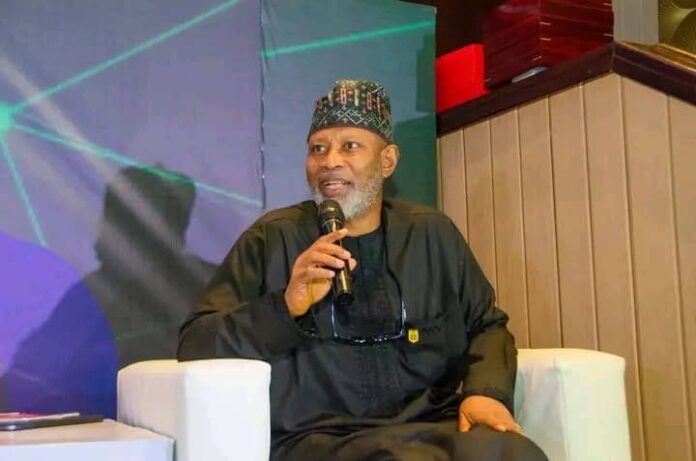
Mimiko who is the Jomulaja of Ondo Kingdom, made this assertion while speaking as a panelist at the 2026 Rotary District 9111 Peace Summit held at the Wole Soyinka International Centre for Arts and Culture in Lagos.
Delivering a paper titled “The Role of International Leaders in Conflict Resolution and Peace Building,” the former Vice Chancellor described peacebuilding as a long-term and deliberate process aimed at addressing the root causes of conflict while strengthening institutions necessary for sustainable coexistence.
Mimiko, a professor of political science at Obafemi Awolowo University, Ile-Ife, and a Senior Research Fellow at the Nigerian Army Resource Centre, Abuja said conflicts in many societies are often driven by exclusion from political and economic systems, stressing that inclusive policies and programmes remain critical to preventing crises and resolving existing tensions.
“Where people feel excluded, conflict becomes inevitable. Addressing this requires intentional governance that promotes inclusion across all sectors,” he said.
Mimiko noted that international leaders, whether representing state or non-state actors, play vital roles in shaping peace processes, but warned that their interventions must align with genuine development goals rather than narrow interests.
He commended organisations like Rotary International for complementing government efforts through community based projects that help bridge systemic gaps and promote social stability.
The scholar further argued that beyond structural interventions, peace must also be cultivated at the individual level, stressing that the roots of conflict lie in human attitudes and perceptions.
He called for a reform of educational curricula to reflect values of tolerance, cultural diversity, and mutual respect, noting that modern societies require citizens who are equipped to manage differences constructively.
“Citizens must be guided to embrace win-win outcomes in conflict situations, rather than zero-sum approaches that ultimately deepen divisions,” he added.
The event attracted notable personalities, including representatives of the Lagos State leadership and the President of Rotary International for 2025–2026, Francesco Arezzo and his wife Mrs Borz Mimiko
Mimiko also acknowledged the efforts of the District Governor, Henry Akinyele, whom he described as a visionary leader whose commitment ensured the success of the summit.
He urged greater public support for Rotary and similar organisations, noting that their interventions remain crucial in advancing peace, development, and social cohesion in Nigeria and beyond.