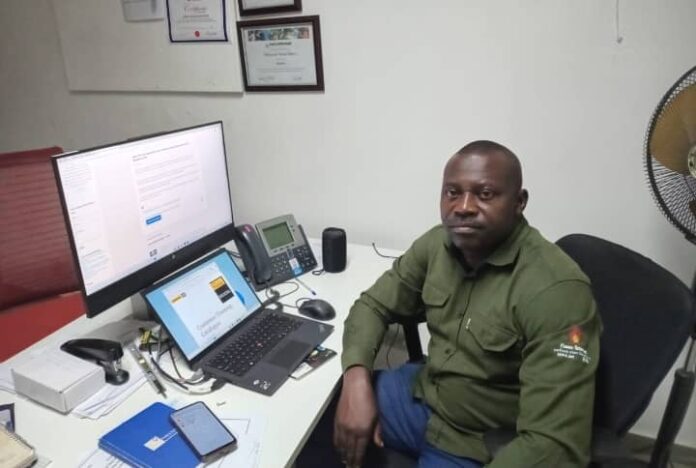
With over 20 years in Nigeria’s oil and gas industry, Idowu David, a seasoned engineer,
expert mechanical engineer and thought leader, discusses solutions to pipeline vandalism, safety lapses, and regulatory gaps. In this interview, he advocates for digital tools, community involvement, modern infrastructure, and sustained Corporate Social Responsibility, drawing from his experience with Chevron and technical expertise in pipeline welding and facility management. Excerpts:
In your experience, what are the main causes of pipeline vandalism and oil theft in Nigeria, and what measures can be taken to address them?
Having worked in Nigeria’s oil and gas sector for over two decades, I’ve come to understand that pipeline vandalism and oil theft are rooted in both socio-economic and infrastructural issues. Unemployment, poverty, and a feeling of marginalisation among host communities often contribute to these problems. Technically, the sheer length and isolation of many pipeline networks make them susceptible to illegal tapping and damage.
To combat this, I believe a multi-layered strategy is required. The use of real-time monitoring technologies such as drones, SCADA systems, and smart sensors can greatly enhance our ability to detect and respond to breaches quickly. Equally important is involving local communities by employing residents as surveillance contractors. When people have a stake in protecting the infrastructure around them, they are less likely to harm it. Moreover, both government and oil companies must prioritise visible and sustained community development to bridge the gap between expectations and reality.
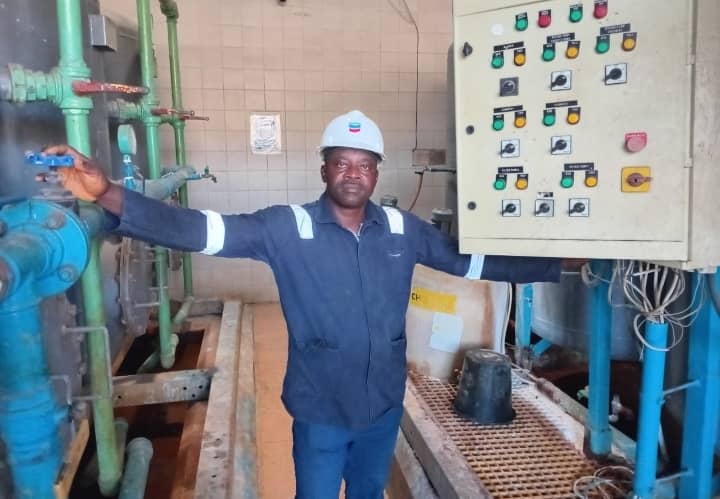
From your technical background in pipeline welding and maintenance, how can Nigeria enhance pipeline security and integrity?
Pipeline integrity, from a technical standpoint, begins with quality materials, precision fabrication, and strict maintenance. Unfortunately, many pipelines in Nigeria have exceeded their designed lifespan without proper refurbishment.
To improve this, we must invest in upgrading pipeline infrastructure with corrosion-resistant materials and advanced welding methods like automated orbital welding, which offers consistent, tamper-resistant joints. Regular inspections using intelligent pigging technology can help detect weaknesses early. It is also vital to train and empower more local technicians with the skills needed to handle modern repair techniques. Building this local capacity is key to ensuring sustainable improvements in pipeline safety and reliability.
What impact do you anticipate the removal of petroleum subsidies will have on fuel storage and distribution from a technical and safety perspective?
Removing petroleum subsidies will likely lead to more competition and efficiency in the downstream sector. However, it also presents risks, particularly the temptation among some operators to cut corners on safety to reduce costs.
There will be a growing need for tighter regulatory oversight to ensure storage facilities and distribution fleets adhere to international safety standards. To safeguard lives and property, investments in depot modernisation, reliable product testing, and robust inventory management will be essential. I also foresee a need for clearer safety guidelines and closer collaboration between regulators and industry stakeholders to protect the public and the environment.
How can Nigeria reduce the frequent tanker explosions and fires on its roads?
From my experience, many of these tragic incidents are avoidable. Common causes include poorly maintained vehicles, overloading, and untrained drivers.
Mandatory annual inspections for all petroleum tankers should be enforced. Drivers must be properly trained in safety procedures and emergency response. Tankers should meet strict roadworthiness standards and be equipped with GPS tracking and driver fatigue monitoring systems to reduce human error. Public awareness campaigns along transport routes can also help communities understand how to respond in emergencies, potentially saving lives.
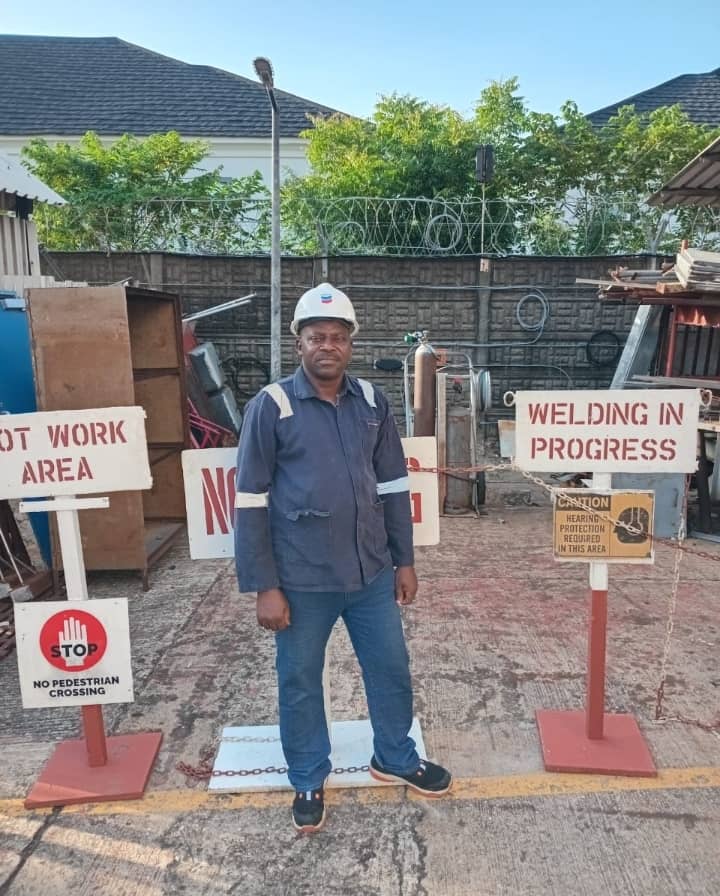
Based on your background in HVAC and facility management, what improvements can the oil and gas sector make in workplace safety and operational efficiency?
Workplace safety in the oil and gas sector can be significantly enhanced by improving air quality and ventilation—particularly in confined spaces where dangerous gases may build up.
Installing smart HVAC systems with gas detectors, auto shut-off valves, and predictive maintenance tools can help ensure equipment is running safely and efficiently. Regular facility audits, emergency drills, and ongoing employee training are all crucial in fostering a culture where safety comes first. A proactive approach not only prevents accidents but also improves overall operational performance.
From your experience with safety compliance, what are the main gaps in Nigeria’s oil and gas safety regulations, and how might they be addressed?
One of the most pressing issues is inconsistent enforcement of existing regulations, often due to limited capacity within regulatory agencies. There is also a lack of localised safety standards that reflect Nigeria’s specific environmental and socio-economic context.
To address this, I recommend reviewing and updating safety codes in collaboration with stakeholders. Training inspectors, improving reporting systems through digital platforms, and offering incentives for voluntary adherence to higher safety standards would all help foster a culture of accountability and continuous improvement.
How can the use of digital tools and predictive maintenance improve safety and reliability in the Nigerian oil and gas industry?
The integration of digital technologies like IoT sensors, AI-based predictive maintenance, and real-time data analytics has the potential to revolutionise how we maintain equipment.
Rather than waiting for something to break, these tools allow us to anticipate problems and carry out timely interventions, which reduces downtime and enhances safety. In an environment like Nigeria where reactive maintenance is still prevalent, embracing a predictive maintenance culture could significantly reduce equipment failure and improve both safety and efficiency.
Based on your experience working with Chevron, how would you assess the company’s role in corporate social responsibility and community development?
From my years working with Chevron, I’ve witnessed the company’s commitment to capacity building, local content development, and health initiatives. For example, Chevron built a medical waste incinerator for the Lagos State Government in Epe. I have been responsible for about 60% of the plant’s operations and maintenance under our Facility Management team since 2009.
Their Global Memorandum of Understanding (GMoU) model has been particularly impactful, giving host communities a voice in determining their development priorities. Chevron has also contributed to educational programmes, skill acquisition schemes, and environmental protection. While there is still more to be done in terms of inclusiveness, their efforts stand out and have set an example for others in the industry.
Pipeline leakage and underground pollution—what advice would you offer in situations like the one in Baruwa, Lagos?
The situation in Baruwa, where leaking pipelines have polluted groundwater, is a serious reminder of the urgent need for infrastructure renewal. The government must act swiftly to replace old pipelines with modern, corrosion-resistant alternatives.
Equally important is empowering communities to play an active role in protecting these pipelines through initiatives such as Community Pipeline Protection programmes. Establishing local environmental health monitoring teams can help detect issues early. For residents already affected, access to clean water, soil remediation, and fair compensation must be prioritised. Lastly, environmental regulations should be updated to hold both vandals and negligent operators accountable.
Can you tell us a bit about your personal background and what led you into the oil and gas industry?
I was born and raised in Aiyetoro City, Yewa North Local Government Area in Ogun State. As a child, I was always curious about how machines worked. At the age of 12, I began an apprenticeship in welding and mechanical engineering. That early exposure to hands-on technical work laid the foundation for my career.
Over the years, I’ve developed a deep passion for mechanical systems particularly pipeline welding, fabrication, HVAC systems, and facility management. My experience with HVAC mechanical systems has equipped me with the skills to ensure proper ventilation, climate control, and workplace safety in complex industrial environments. It complements my core expertise and plays a vital role in supporting health, safety, and operational efficiency. One of the most important lessons I’ve learned is that success in this industry demands constant learning. As technology evolves, so must we. I remain committed to professional growth, and I take pride in mentoring others and contributing to a safer, more efficient oil and gas sector in Nigeria.