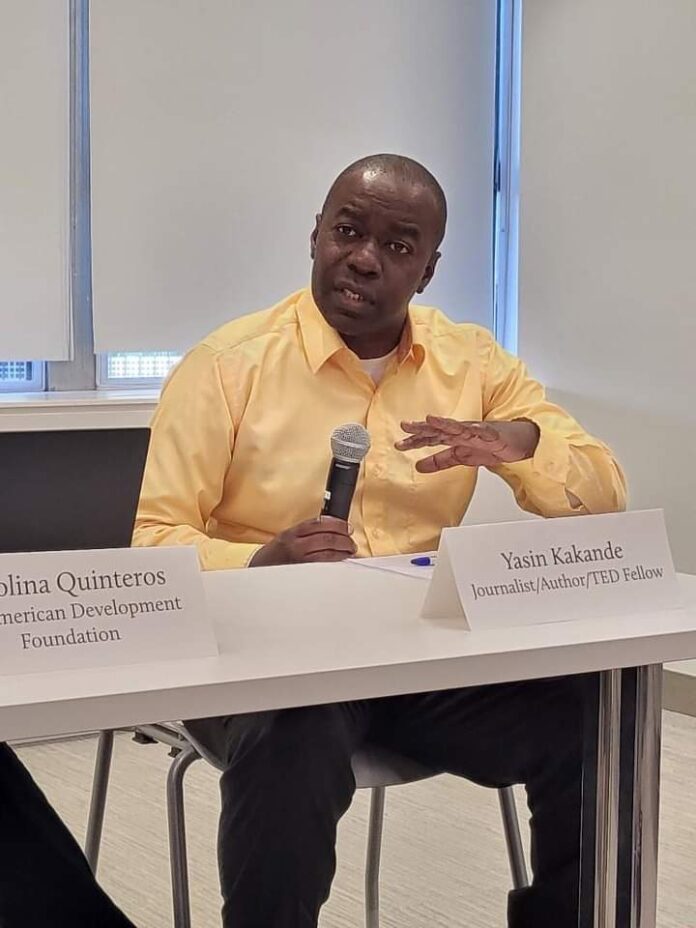
CIA doesn’t just manipulate governments; it edits minds – Yasin Kakande, author of ‘The Missing Corpse‘
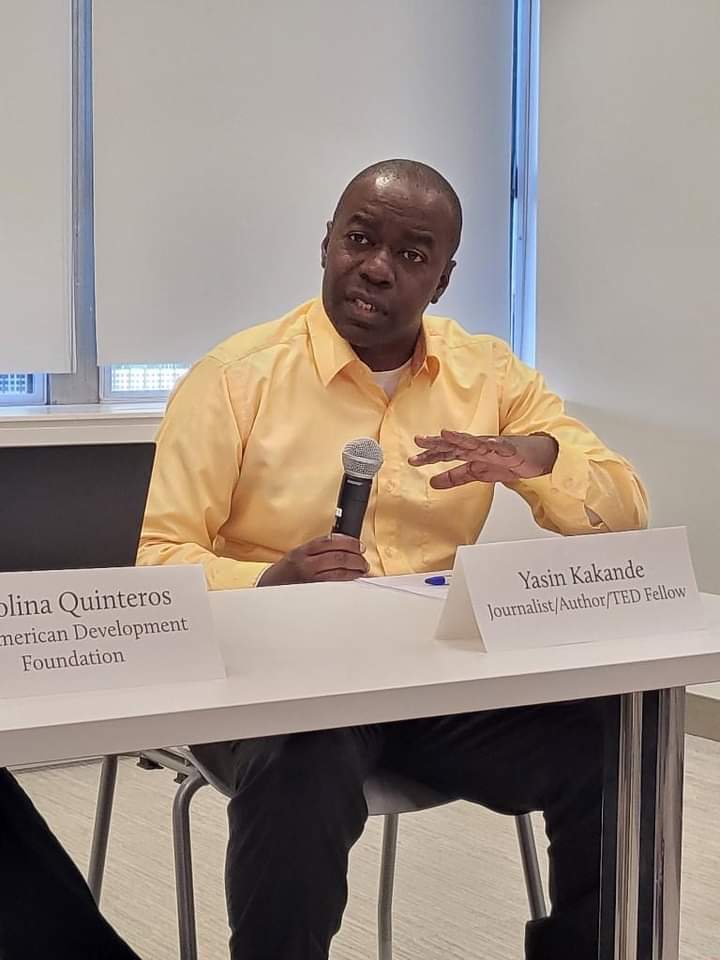
Ugandan-born, American-based Journalist, Author & TED Global Fellow, Yasin Kakande recently unveils his new book, ‘The Missing Corpse,’ the second in three series of ‘The General’s Project.’ The story is the kind that keeps you on the edge of your seat even after the last page . It spells out the underlying developmental challenges of Africa in a way that is both entertaining and revealing, with a dialogue and logic that shows the stuff of the writer as someone who knows his way around the subject. In this interview, Kakande tells News Editor ISHAYA IBRAHIM what provoked this latest book, the thoughts and events that shaped its outcome.
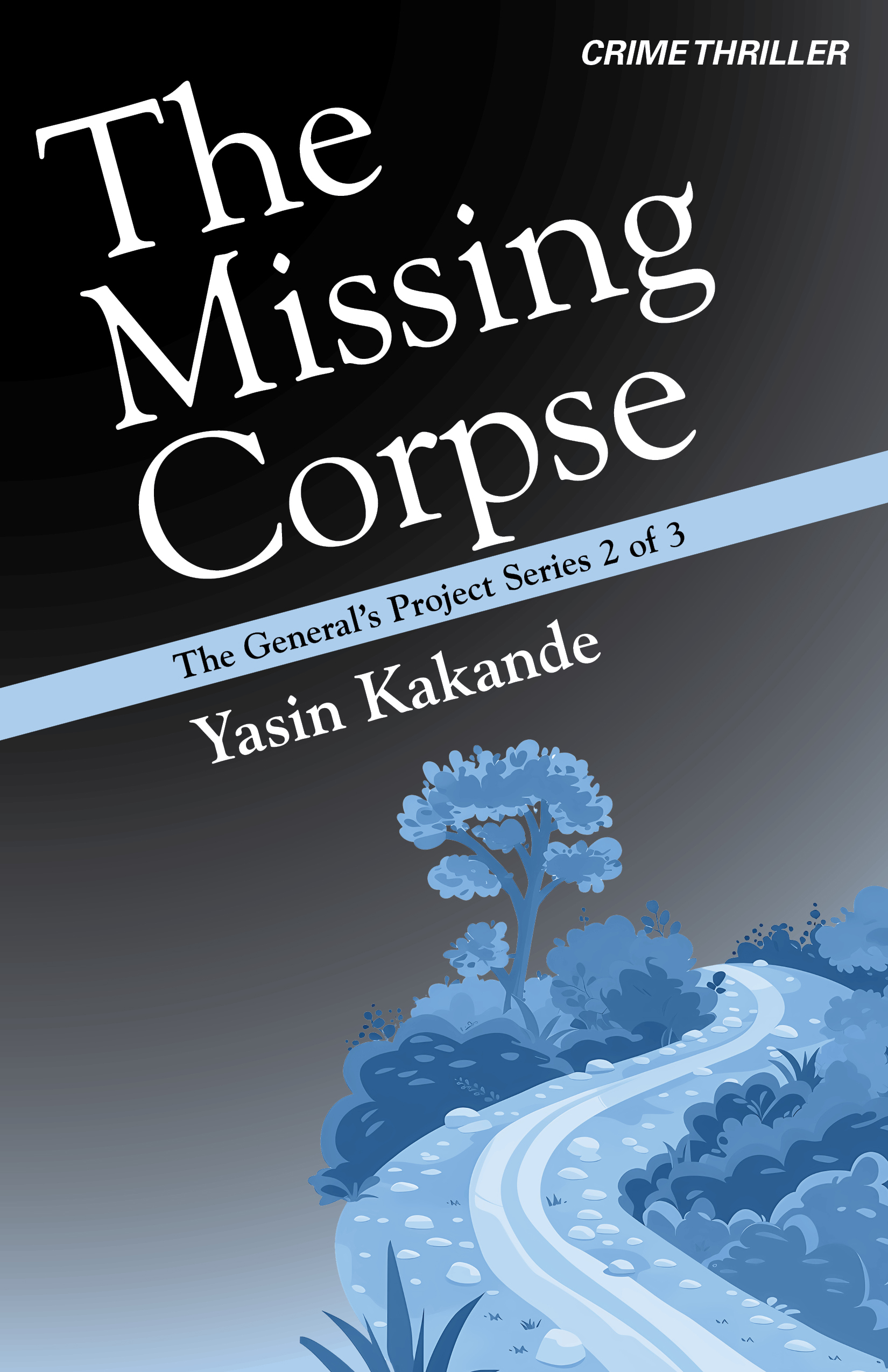
Your latest work, ‘The Missing Corpse’ is intriguing in the way it connects with ‘A Murder of Hate,’ which you released last year. What were the thoughts and events that shaped this new book?
Thoughts? Oh boy, a lot of them — and most of them not the kind that help you sleep better at night. To be honest, I was terrified. I had all these dark, disturbing thoughts swirling in my head, and the safest place I could think to keep them was in public — inside a novel. You see, when people tell me, “You’re so brave to write this,” I usually laugh and think, ‘you have no idea.’
What scared me most was that some of these thoughts were real — too real. So, I wrapped them in fiction, dressed them up, and sent them out into the world. That way, I could pretend they weren’t real anymore.
The authorities in Uganda may likely infer that ‘A Murder of Hate’ and ‘The Missing Corpse’ are not just for entertainment, that you may be pushing a political agenda. Will they be right?
Well, they wouldn’t be entirely wrong. The “Generals Project” — that’s the fictional series these books belong to — was born out of my curiosity (and maybe frustration) with Uganda’s long, dragging dictatorship. When a man has ruled for forty years, you don’t need to be a prophet to know the end is coming — you just need patience and good eyesight.
My books imagine what that transition could look like — the chaos, the secrets, the quiet conspiracies that happen when an empire starts to crack. The regime might not like it, but someone’s got to talk about the elephant in the room — even if that elephant carries a gun.
In your last two fictional works, the CIA is presented as playing ignoble roles in preserving despotic African leaders in power. Is this depiction based purely on fictional imagination, or are you reflecting a reality—one that, naturally, those leaders would deny?”
Let’s just say, I didn’t pull it all out of thin air. When I was publishing my first novel, A Murder of Hate, I actually lost my literary agent. She loved the book — until she didn’t. Her advice? Tone down the CIA part. Focus on African corruption, she said. That sells better. A book critical of the CIA? “Hard to place,” she told me.
I’m a big reader of CIA history — the good, the bad, and the ugly (and believe me, there’s a lot of ugly). I told her no, I wasn’t going to tone it down. So, she left. Fair enough. Later, I read White Malice, a book that exposed how the CIA secretly funded African writers, publishers, and thinkers during the Cold War. Suddenly, her discomfort made perfect sense. The CIA doesn’t just manipulate governments; it edits minds, too. Turns out, censorship doesn’t always come with a gun — sometimes, it comes with a publishing contract.
Why did you choose to make two lesbian characters in ‘The Missing Corpse’ the heroes of the Ugandan revolution, knowing that their sexuality is outlawed in the country?
Because I wanted to shake the table a little — or maybe flip it over entirely. Uganda’s dictatorship has been propped up by the West for decades. The LGBTQ issue has always been explosive here, and the first time it really hit the political scene, the regime almost collapsed. The West froze aid, the government couldn’t even pay salaries, and our mighty strongman suddenly looked like a man who’d misplaced his spine.
This time, yes, he’s doubled down — outlawing LGBTQ people again. But the twist? The West is now divided on the issue too. So, our “bold” dictator isn’t exactly standing on principle — he’s just choosing which master to please.
By making lesbian women the unlikely revolutionaries, I wanted to show something simple but powerful — that even the strongest dictatorship can crumble not under bombs or sanctions, but under the quiet, unstoppable will of ordinary people. Sometimes, the smallest people can cause the biggest collapse.
Uganda’s general elections will be held next year. If one were to read between the lines in your latest fictional work, the opposition appears to be mere props. Is that right, or am I misrepresenting fiction for reality?
Worse than props — more like the puppets the dictator would laugh at. And yes, the people are starting to see it. That’s why there’s less energy in the campaigns this time around.
Ugandans want change, but the opposition wants a seat at the dictator’s dinner table. The current opposition leader — a former musician — spends more time attacking his fellow opposition politicians than the actual regime. He accuses every smart, articulate politician of being a sellout, kicks them out, and replaces them with people who can barely string together a full sentence. His excuse? “The educated ones failed, so let’s try the ordinary folks.” Well, the dictator must be laughing himself to sleep — for the first time in forty years, he doesn’t even have to fight to stay in power. The opposition is doing the job for him.
How is your relationship with the political class in Uganda? Do they see you as one of their greatest achievements given your global journalistic and writing accomplishments?
Ha! Not even close. Most of them don’t even know I exist — which is both funny and a little comforting. Because honestly, if they did know, the opposition would probably accuse me of being a government spy, and the regime would accuse me of being an opposition propagandist. So, I stay right where I belong — on the edge of the fire, roasting my stories, hoping they don’t come for me before the next book’s out.
To buy a copy of ‘The Missing Corpse,’ click on this link