Allegations of sexual harassment in the Nigerian Senate: A crucible for institutional integrity
By Shu’aibu Usman Leman
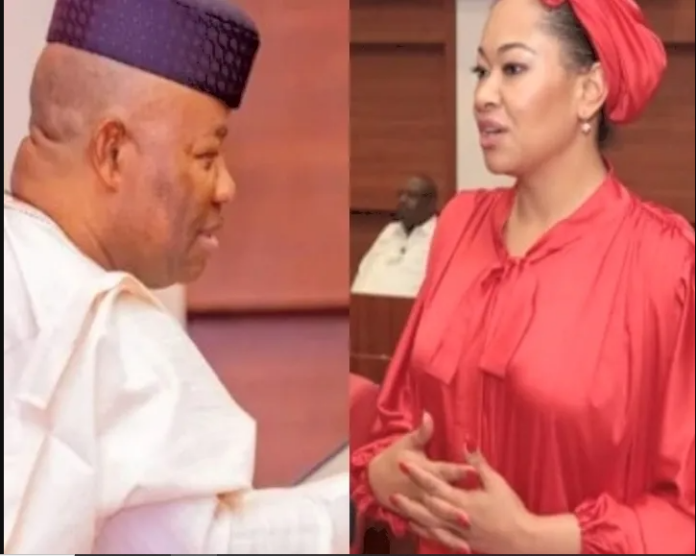
The hallowed chambers of the Nigerian Senate have been rocked by serious allegations of sexual harassment, casting a long shadow over the institution’s integrity and raising profound questions about the conduct of its leadership. Senator Natasha Akpoti-Uduaghan (Kogi East) has publicly accused Senate President, Godswill Akpabio of making sexual advances, a disclosure that has sent shockwaves through the nation’s political establishment.
In a dramatic account, Senator Akpoti-Uduaghan revealed that Akpabio initiated late-night, intimate telephone conversations, characterised by their inappropriate and suggestive nature. Faced with these unsettling advances, she took the extraordinary step of waking her husband and placing the calls on speakerphone, a measure she deemed necessary to ensure transparency and safeguard her personal safety. This act of self-preservation underscores the gravity of her claims and highlights the precarious position in which she felt placed.
READ ALSO:
Alleged sexual harassment: ‘In civilised climes, Akpabio would have resigned,’ says Betty Akeredolu
These allegations raise critical questions concerning workplace ethics, the maintenance of professional boundaries, and the potential abuse of power within Nigeria’s political sphere. The conduct described by Senator Akpoti-Uduaghan, if proven, represents a serious breach of trust and a fundamental violation of the principles of respect and dignity that should underpin all professional interactions, particularly within a legislative body.
The response from Mrs. Ekaette Unoma Akpabio, the Senate President’s wife, has been swift and emphatic. She has publicly refuted the allegations, asserting their baseless nature and staunchly defending her husband’s character. This public denial has only served to intensify the media frenzy surrounding the case, as the nation grapples with the conflicting narratives.
However, the gravity of the situation has drawn the attention of prominent political figures, including former Vice-President Atiku Abubakar, who has called for a measured and impartial inquiry. He emphasised the importance of due process and urged all parties to refrain from premature judgements. Andrew Mamedu, the Country Director of ActionAid Nigeria, has echoed these sentiments, stressing the necessity of addressing such serious claims with diligence and fairness. The call for a thorough and transparent investigation underscores the public’s demand for accountability and justice.

Senator Akpoti-Uduaghan has further alleged that her rejection of Akpabio’s advances has triggered a pattern of hostile behaviour directed towards her. This assertion suggests that the incidents are not isolated occurrences but rather indicative of a broader culture of imbalanced power dynamics within the Senate. She has also issued a stern warning to Mrs. Akpabio, insisting that the allegations pertain to personal misconduct and should not be conflated with marital discord. This delineation is crucial in ensuring that the focus remains on the alleged abuse of power and the systemic issues at play.
This unfolding situation serves as a stark illustration of the complex interplay between gender, power, and political influence in Nigeria. It illuminates not only the alleged actions of individuals but also the systemic challenges faced by women within the nation’s political institutions. The potential ramifications of these allegations extend far beyond personal disputes, raising fundamental concerns regarding the treatment of women in public life, the accountability of elected officials, and the prevailing societal norms concerning harassment and consent.
The burgeoning public discourse and the engagement of diverse stakeholders suggest that the outcomes of this incident could catalyse much-needed and overdue discussions about sexual harassment in the political arena. There is a pressing need for robust protective measures for individuals who come forward with allegations, alongside urgent institutional reforms to cultivate a safe, respectful, and equitable environment for all political actors. This includes the implementation of clear and enforceable codes of conduct, as well as robust mechanisms for reporting and investigating allegations of misconduct.
This situation also prompts a critical reconsideration of the efficacy of existing ethical codes within the Senate and the broader political system. The public will be observing closely to see how these serious allegations are handled, what repercussions might ensue for those involved, and whether this will precipitate a fundamental shift in the culture of Nigerian politics.
Furthermore, the international community will be observing with keen interest, as the implications for Nigeria’s reputation concerning gender equality and the rule of law could be significant. This scenario echoes similar cases around the globe, such as the #MeToo movement, which transformed discussions of harassment in Western political contexts, illustrating a universal challenge that transcends geographical boundaries and demands collective action for meaningful change.
In light of these developments, it remains imperative for Nigerian institutions to reflect on their practices and commitments to inclusivity and respect, fostering an environment where all voices can be heard and valued—fundamental principles that must inform the evolution of political culture both in Nigeria and beyond. The ability of the Senate to address these allegations with integrity and impartiality will be a litmus test for the nation’s commitment to democratic values and the rule of law.
Shu’aibu Usman Leman, former National Secretary, Nigeria Union of Journalists
email: shuaibuusmanleman@yahoo.com