’70s to 2026: The changing trend of Nigerian fashion in photos
By Vivian Aghanu
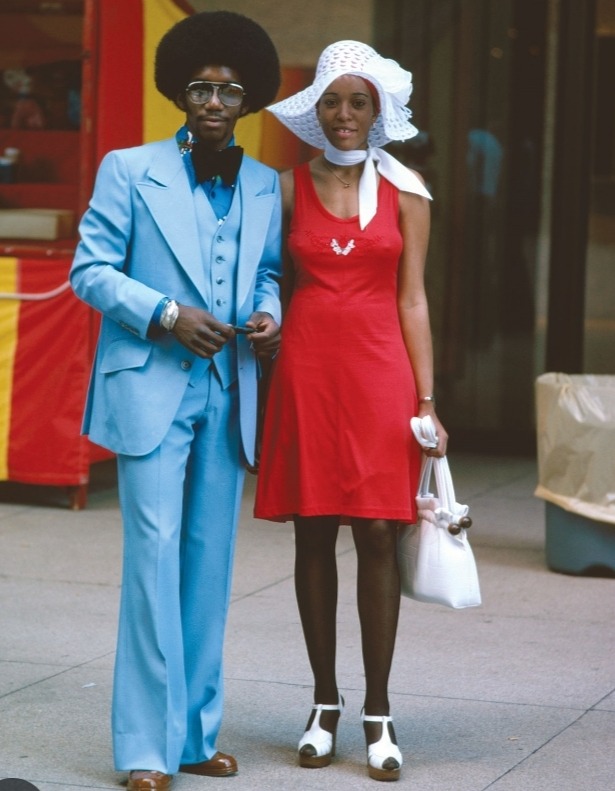
The 1970s was a period when people embraced colourful and expressive clothing. Bell-bottom trousers, maxi dresses, jumpsuits and platform shoes were popular. Both men and women experimented with different patterns, bright colours and hairstyles. Music, especially disco, also influenced the way people dressed.
1980s
The 1980s introduced a more dramatic approach to fashion. Clothing became bolder, brighter and more expressive, with people embracing oversized outfits and noticeable accessories. Some of the defining trends were; oversized jackets and shoulder pads, bright colours such as pink, purple, yellow and neon and leg warmers, leggings and tracksuits.
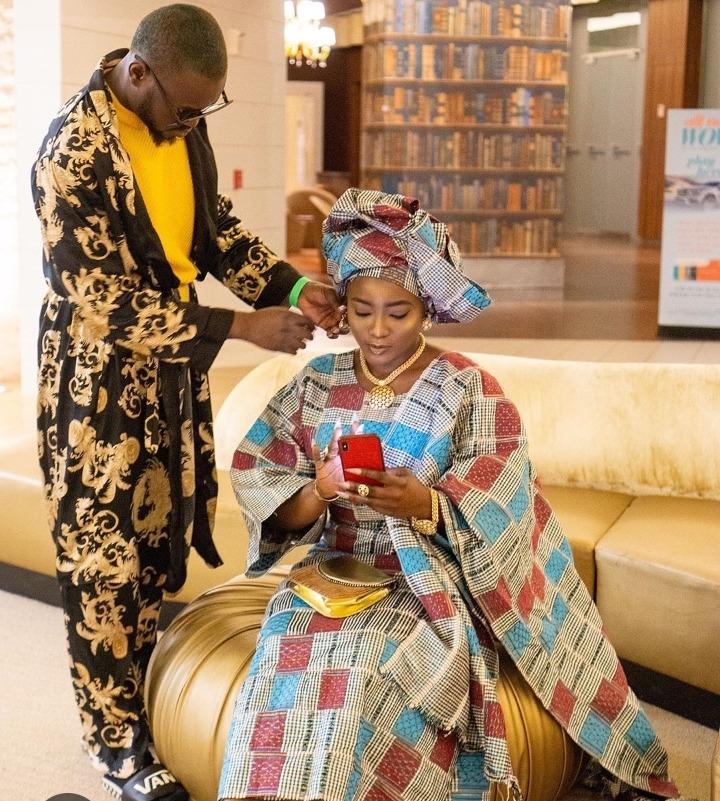
Other fashion trends of the 80s also include leather jackets and denim outfits and big hairstyles and statement accessories.
Music genres such as hip-hop, pop and rock influenced dressing during this period. Celebrities and musicians also became major fashion influencers.
In Nigeria, traditional outfits such as Ankara, lace and elaborate wrappers remained popular, while corporate dressing, colourful shirts and statement accessories also gained attention.
1990s
The 1990s introduced a more relaxed approach to dressing. Baggy jeans, oversized T-shirts, denim jackets, crop tops and sneakers became popular. Hip-hop and grunge music influenced many of the fashion trends during this period. People increasingly embraced comfortable clothing and casual styles.
2000s
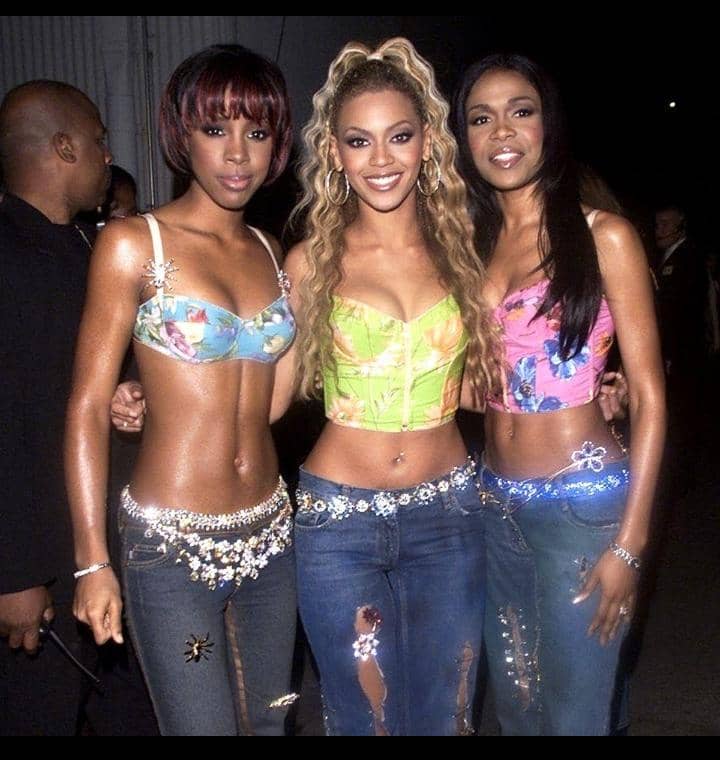
The 2000s saw celebrities and musicians become major fashion inspirations. Low-waist jeans, crop tops, denim skirts, tracksuits, graphic T-shirts and large sunglasses were among the popular trends. Fashion became more experimental as people combined different clothing styles and accessories.
2020s–2026
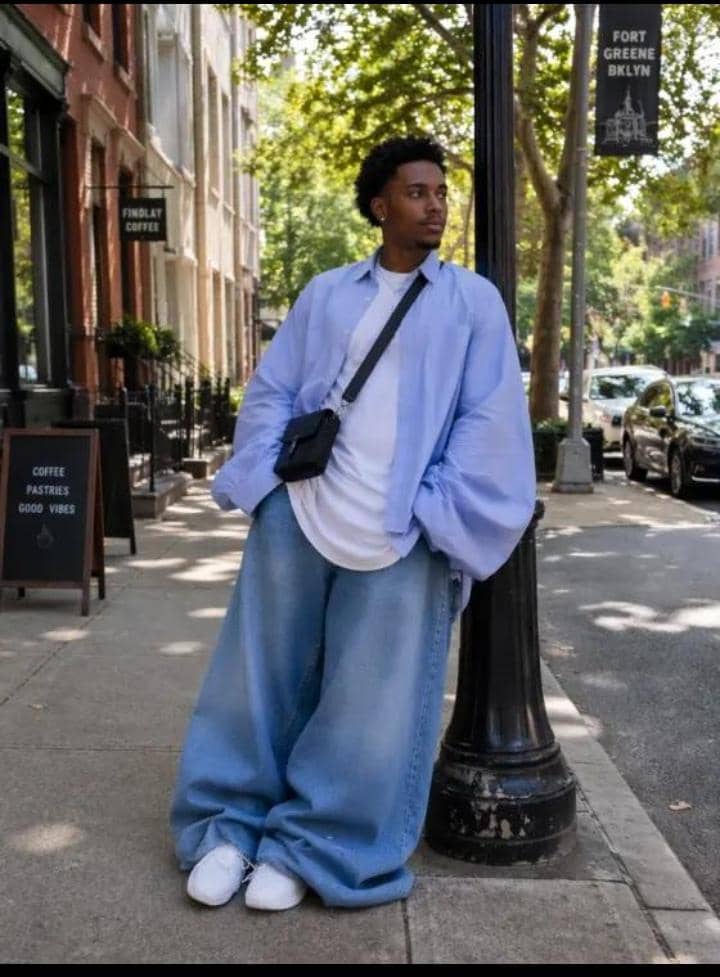
Fashion today is a combination of old and new trends. Oversized shirts, wide-leg trousers, vintage clothing, sneakers and matching sets have become popular. Social media continues to influence fashion, while people are increasingly experimenting with different styles.
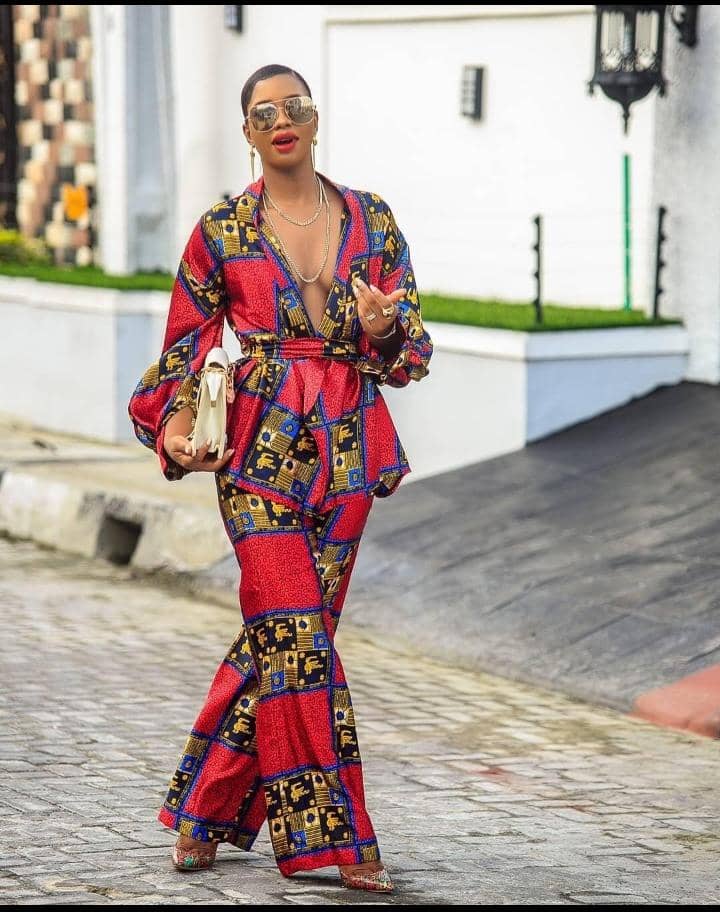
In Nigeria, African fabrics such as Ankara, Adire and Aso-oke are also being incorporated into contemporary designs. Nigerian designers are combining traditional clothing with modern fashion, giving African fashion greater international visibility.
Looking at fashion from the 1970s till date, it is clear that clothing styles have changed significantly over the years. Every decade introduced something different, and interestingly, some old trends are making a comeback today.
Fashion has continued to change with society, music, technology and culture. However, it remains an important way for people to express themselves and Fashion never ends