Tinubu rescued Nigeria from ‘monumental fraud’ of fuel subsidy, says ex-lawmaker Makinde
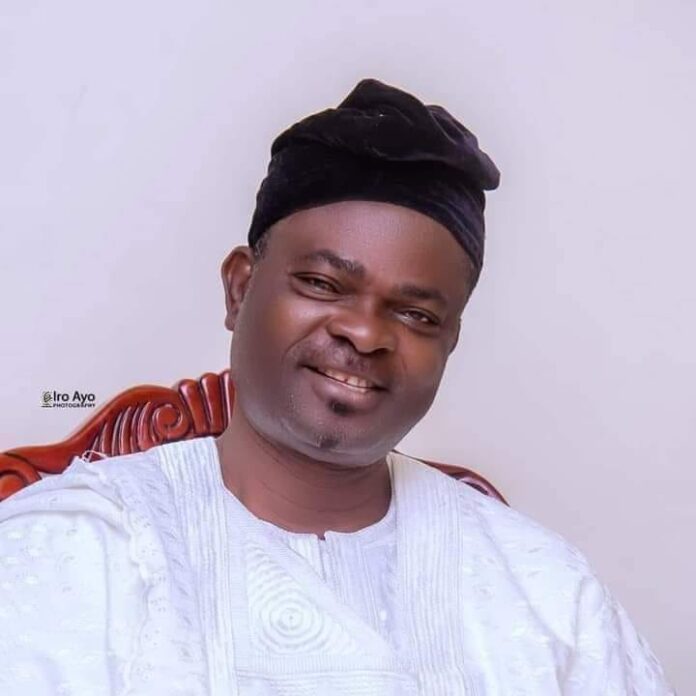
A former member of the House of Representatives and ex-staff member of the Nigerian National Petroleum Corporation, Rotimi Makinde, has described Nigeria’s former petrol subsidy regime as a “monumental fraud” that imposed a huge financial burden on the country.
Makinde, who spent 20 years working as an accountant with the Pipeline and Products Marketing Company at the Ibadan Depot, said the subsidy system created loopholes that enabled alleged fraud, smuggling and profiteering.
He made the claim in an article titled, “If Only Nigeria Knows How Tinubu Rescued Us From the Monumental Fraud Called Oil Subsidy.”
The former lawmaker said his assessment was based on his experience in the petroleum industry and his subsequent work in the National Assembly.
Makinde was a member of the House Committee on Downstream Petroleum, Finance Committee, Subsidy Probe Committee of 2012 and the Petroleum Industry Bill Committee during the Seventh Assembly.
He alleged that the subsidy regime was weakened by flaws in the processes used to determine petroleum products importation, landing costs, storage and consumption.
According to him, discrepancies between recorded and actual fuel consumption created opportunities for smuggling and fraudulent subsidy claims.
“We were borrowing to import what we had. We were paying debts we did not consume.
The huge debt encountered during the subsidy regime almost collapsed our economy,” he said.
Makinde further alleged that some importers and depot operators submitted fraudulent subsidy claims, including claims relating to petroleum cargoes that were allegedly not imported or did not leave storage facilities.
His claims about the fiscal burden of the subsidy are partly supported by assessments by the World Bank.
The World Bank reported that Nigeria’s petrol subsidy cost about 2.2 per cent of Gross Domestic Product in 2022 and had become fiscally unsustainable.
It also said the Nigerian National Petroleum Company Limited had accumulated subsidy-related arrears of about N2.8tn by the end of 2022.
The bank, in another assessment, said Nigeria spent more than N8.6tn on petrol subsidies between 2019 and 2022, while noting that the policy did not primarily benefit poorer Nigerians and created incentives for large-scale smuggling of petroleum products.
Makinde said President Bola Tinubu’s declaration at his inauguration on May 29, 2023, that “subsidy is gone” marked a decisive break from the previous arrangement.
The removal of the subsidy, however, triggered a sharp increase in petrol prices and contributed to higher living costs for households and businesses.
Makinde acknowledged the economic difficulties that followed the reform but argued that the focus should now be on ensuring that the resources saved from subsidy payments are properly managed.
He called for stronger regulation of the downstream petroleum sector, the rehabilitation and effective operation of local refineries, and wider access to alternative energy sources, including Compressed Natural Gas.
The former lawmaker also urged the Federal Government to ensure that palliatives and other measures introduced to cushion the effects of subsidy removal reach vulnerable Nigerians.
He rejected calls for a return to the former subsidy arrangement, arguing that doing so would recreate the fiscal and administrative challenges associated with the policy.
“If there are any counter voices now calling for the return of subsidy, it can only mean one thing: the cartels are fighting back,” Makinde said.
He maintained that Nigerians were not the principal beneficiaries of the former subsidy system, arguing that the arrangement created opportunities for profiteering, smuggling and abuse while placing a substantial financial burden on the government.
Hon Makinde said the priority should instead be to strengthen the post-subsidy regime and ensure that the resources freed by the reform are translated into tangible benefits for Nigerians.
“Government must ensure that the savings from subsidy are well managed, that refineries work, that CNG and other palliatives reach the real poor, and that the downstream is well regulated,” he said.
He concluded that Tinubu’s decision to remove the subsidy was a difficult reform whose success would ultimately depend on how effectively the government manages the resources saved and shields Nigerians from the immediate economic consequences of the policy.