How Nigeria’s politics of profit is drowning the promise of reform
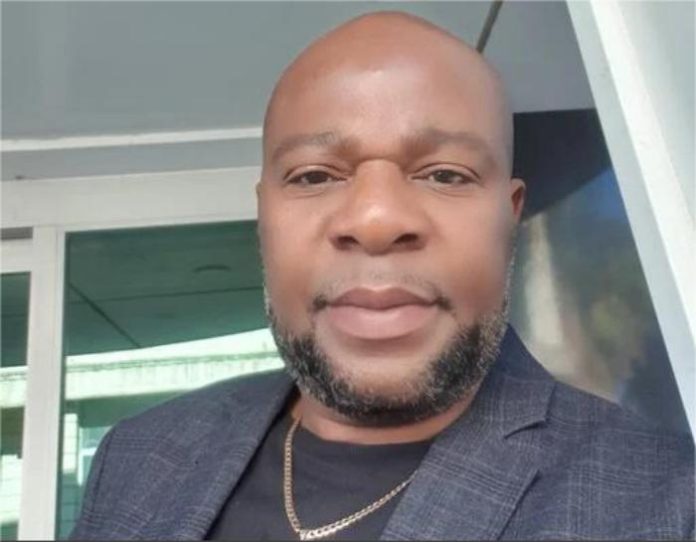
By Ogechi Okoro
As Nigeria gradually enters the 2027 election season, one trend is impossible to ignore: an unprecedented number of people are expressing interest in elective office. Compared to previous election cycles, the surge is remarkable.
At first glance, this should be celebrated. Democracy flourishes when citizens actively participate in the political process. Those who seek change should indeed be willing to become part of the system. More participation ought to mean more ideas, better representation, and stronger competition. Unfortunately, a closer examination tells a less encouraging story.
For many aspirants, politics appears to have become less about public service and more about personal advancement. While few would openly admit that economic gain is their principal motivation, the reality is difficult to ignore. In today’s Nigeria, politics has become one of the most profitable professions, offering access to wealth, influence, and power that few other sectors can match.
This reality is evident even in my hometown of Mbaise. The number of people seeking political office is phenomenal. Nowhere is this more apparent than in the Ahiazu/Ezinihitte Federal Constituency, where the sheer volume of aspirants is difficult to exaggerate. Interestingly, many of them possess doctoral degrees. While academic qualifications are certainly valuable, one cannot help but wonder whether Nigeria’s universities and research institutions are losing some of their brightest minds to a political system whose incentives are increasingly economic rather than developmental.
The uncomfortable truth is that self-interest has become deeply embedded in our political culture. Public office is too often viewed as an investment with extraordinary returns rather than a platform for service. Until politics ceases to be the fastest route to wealth, attracting genuinely selfless leaders will remain a formidable challenge. The consequences are visible all around us.
Successive administrations have failed to build public confidence because many elected officials have prioritised personal and political interests over national development. Meanwhile, widespread poverty has become more than an economic condition; it has become a political instrument. Citizens struggling to survive are far easier to manipulate than citizens who are economically secure and politically informed. When poverty is weaponised, accountability becomes a luxury many cannot afford.
This is why I remain sceptical that simply electing new faces will fundamentally change Nigeria. The system has perfected the art of filtering out reformers while rewarding those willing to preserve the status quo.
I confess that I once believed President Bola Ahmed Tinubu would prove to be different.
His political history gave many Nigerians reason for optimism. During his tenure as Governor of Lagos State, and particularly during his confrontation with President Olusegun Obasanjo over the withholding of local government allocations, Tinubu earned a reputation for courage, strategic thinking, and political resilience. He challenged the federal government when many others remained silent. To many observers, he embodied the spirit of resistance that strengthened Nigeria’s democracy. That history makes today’s reality all the more puzzling.
One cannot help but ask whether the burdens of age, political compromise, or the weight of office have tempered the reformist instincts that once defined him. The boldness that characterised the Jagaban of the 1990s appears less visible today.
If there is any Nigerian president with the political capital, experience, and authority to confront entrenched interests, it is President Tinubu. Having achieved considerable personal success and reached a stage in life where legacy should outweigh ambition, this ought to be the defining chapter of his public life. History rarely remembers leaders for the fortunes they accumulated; it remembers them for the institutions they built and the nations they transformed.
Nigeria does not need perfection from its leaders. It needs courage. It needs the willingness to confront corruption regardless of whose interests are threatened. It needs institutions that outlive personalities and reforms that outlast administrations. Above all, it needs leaders who understand that political power is ultimately a trust, not an entitlement.
Many Nigerians still remember the Jagaban who refused to be intimidated and stood firmly for democratic principles. They remember a politician who seemed willing to challenge the system rather than accommodate it.
The question that lingers today is both simple and profound:
Where has the Jagaban of the 1990s gone?
- Dr. Ogechi Okoro is a political and social analyst based in Hamilton, New Zealand