



CEE-HOPE lifts families with cash, machines as past beneficiaries share triumphs
By Ishaya Ibrahim
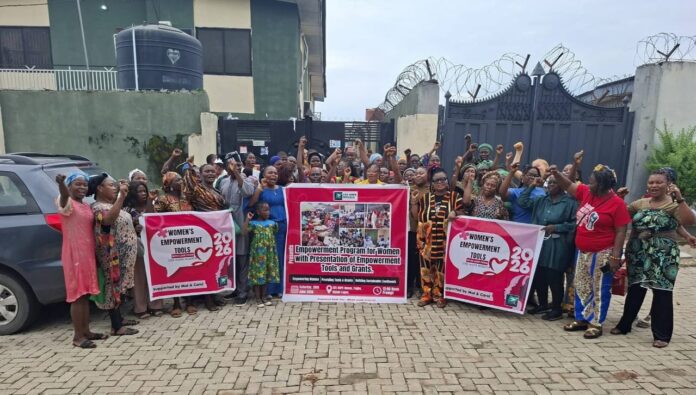
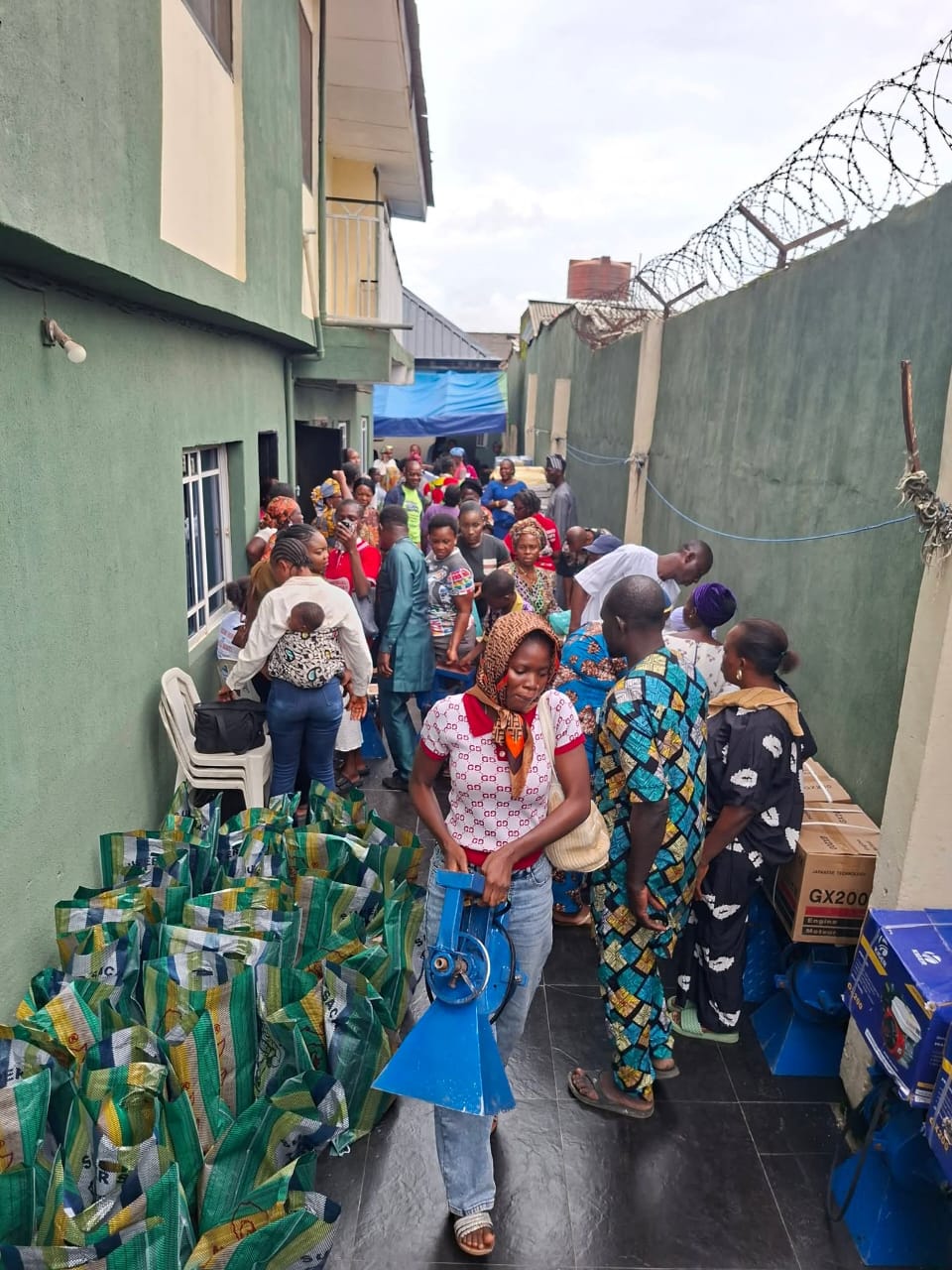
About one hundred women received cash grants, Point of Sale (PoS) devices, sewing machines, or grinding machines on June 20, 2026, at the annual empowerment programme of the Centre for Children’s Health Education, Orientation and Protection (CEE-HOPE), supported by Mal and Carol. Gratitude filled the venue as attendees hailed the organisers for giving them capital and tools to build sustainable livelihoods.
Their eagerness to begin was stoked by testimonies from earlier beneficiaries, among them, Mercy Jennifer Kalu.
Two years ago, Mercy, a visually impaired mother of two, lost her husband after a long illness that drained the family’s resources. Widowed and without a safety net, she struggled to keep her children in school. Then CEE-HOPE intervened with a grinding machine.
That single tool altered her fortunes. With steady income from grinding services, Mercy now pays school fees, meets household needs, and supports others. “School fees are never a problem again for me,” she told the crowd gathered at CEE-HOPE’s house in Lagos. “Once I finish for the day, I set aside some money for savings. Look at me now—do I not look good?” The hall erupted in cheers.
Like Mercy, many past beneficiaries have thrived. Bernadette Nnadi-Nwaizu, a kunu (a local millet-based drink) seller, also received a grinding machine two years ago. Before then, she relied on commercial grinders—with costly mistakes. “One day, I took my millet to grind, but they had just ground tomatoes. After preparing my kunu, it tasted like tomato. I cried because of the loss,” she recalled. “Since CEE-HOPE gave me a grinding machine, I grind my millet and spices separately, anytime.”
Her production has grown from a custard-size measure (about 3.2 kg) to full 50 kg bags, and demand has surged. “In the market, if my kunu doesn’t sell out, nobody’s will. Even at church, every Sunday they ask, ‘Where is that kunu woman?’ If I travel, they call me, asking why I didn’t bring kunu.”
Another stirring testimony came from an octogenarian, Ramoni Ajibola Wahab of Ilaro, Ogun State, the only male beneficiary. He is visually impaired. CEE-HOPE gave him the grinding machine after he was left stranded following the demolition of his house at Monkey Village after which he relocated to his village, Ilaro. Formerly dependent on relatives, he now earns from his grinding machine. When his daughter married in another town, his family did not expect him to attend. He surprised them—paying his way from Ilaro to Abeokuta.
When CEE-HOPE’s founder and executive director, Betty Abah, supported by the organisation’s board chairman and veteran journalist, Lekan Otufodunrin, handed out the grants and equipment, excitement swept the room.
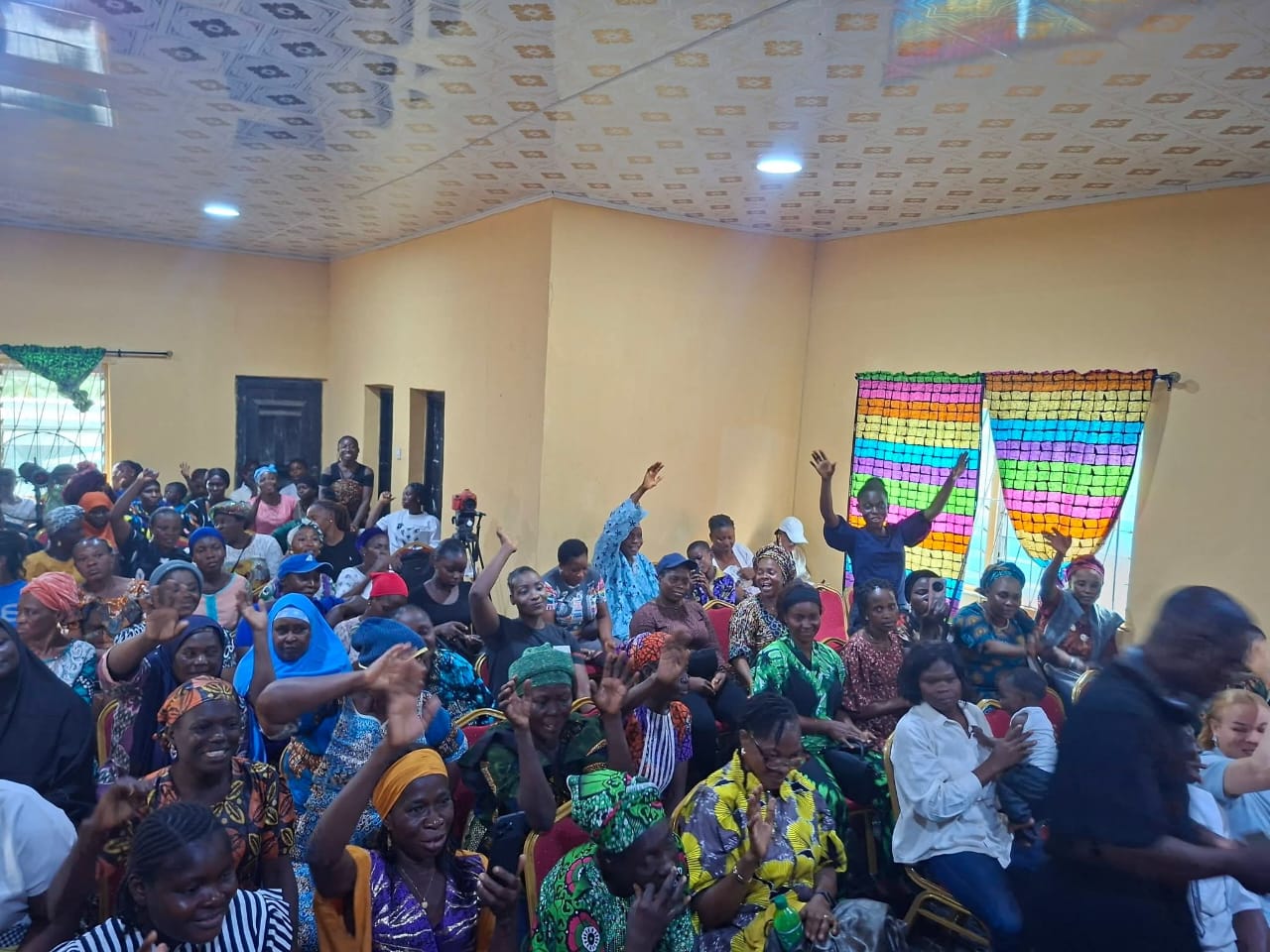
Recipients shared their plans. Petty trader Mariya Hassan said she would inject the cash into her business, adding that each morning’s first prayer would be for CEE-HOPE.
Fruit seller Mrs. Patience Omenyi said the grant would expand her trade.
Groundnut seller Kate Clement pledged to channel the grant fully into her enterprise.
For some, the tools were lifelines. Tailor Elizabeth Okunsanmi’s only machine had broken; the new one revives her work.
Fresh out of apprenticeship, Opeyemi Emmanuel said her sewing machine would anchor her new career.
Widow and groundnut seller Habiba Husseini—who also supports the three children of her late first son—called her grinding machine an answered prayer.
Others, including Success Ejegun and Esther Ijisan received grinding machines and promised to make the most of them.
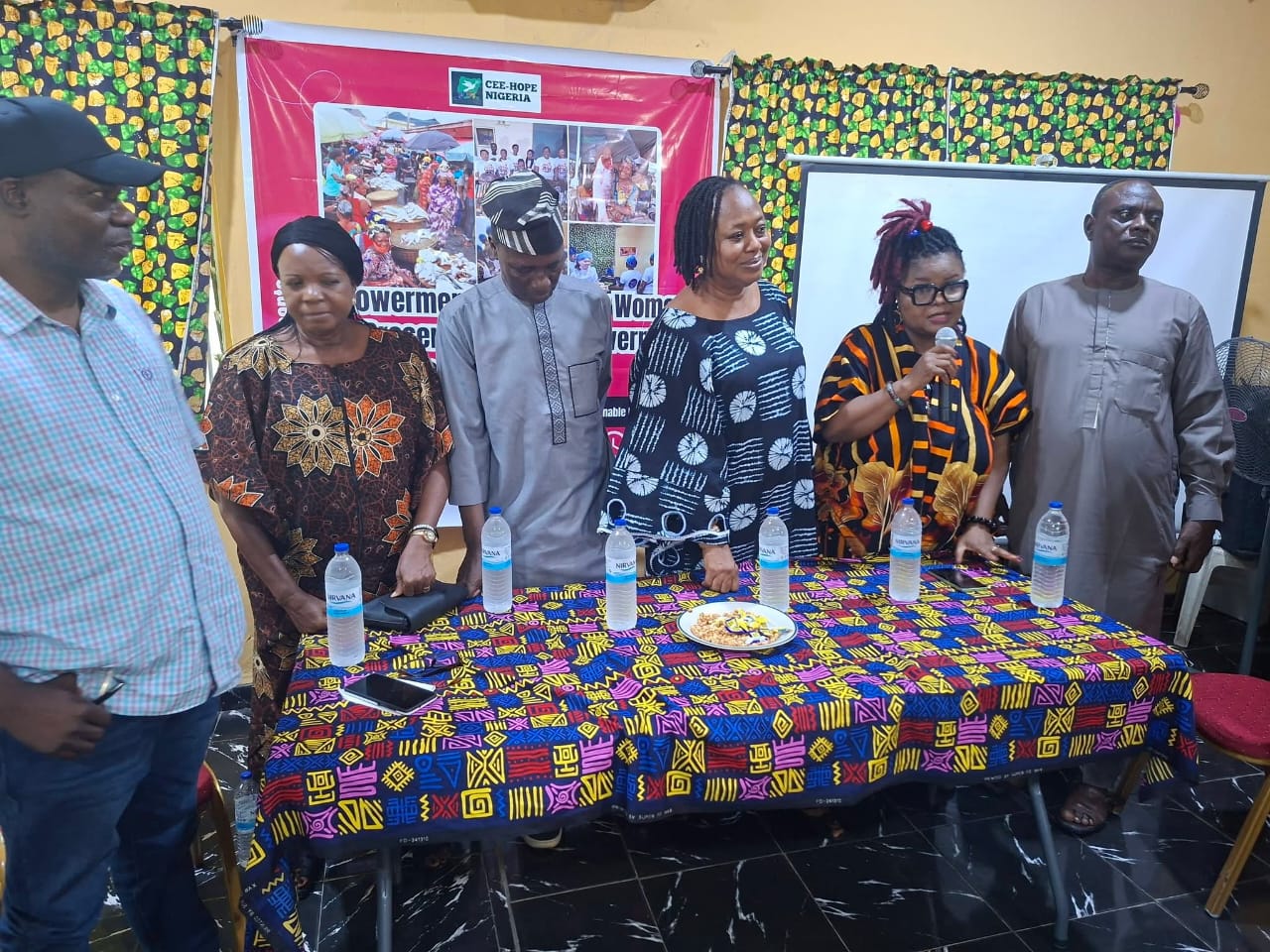
Addressing the beneficiaries, Abah drew a direct line between empowering women and securing children’s futures. “If you really want to empower children, you have to empower their mothers,” Abah said. “They cook the food, give school pocket money, and keep homes running. So, we decided to work with women. And it has been very exciting and fulfilling since 2020 when we incorporated the women’s livelihoods empowerment program, Empowered Mothers for Development Action (EM-MODAS) into our work with children and families”
Abah thanked everyone present including the speakers whose immense support for CEE-HOPE over the years she extolled.
She admonished the beneficiaries to utilise the grants and tools well while specifically pointing out the incredible empowering effects of the grinding machine, citing her childhood days in Benue and the economic and psychological influence that those who owned and operated the machines in the village wielded over the rest of the villagers who milled their food items (corns, cassava, beans etc) constantly in their places.
This year, just as in the past, the empowerment program is also extending to women in Ogun, Benue, Ebonyi, Plateau and Rivers States as well as Abuja (FCT). The one-day event witnessed the launch of business grants approved for 200 women, 60 of which went to women in Lagos, 50 grinding machines, 15 sewing machines and 20 PoS terminals (start-up capital inclusive). In all, about one-third of the beneficiaries were from Lagos.
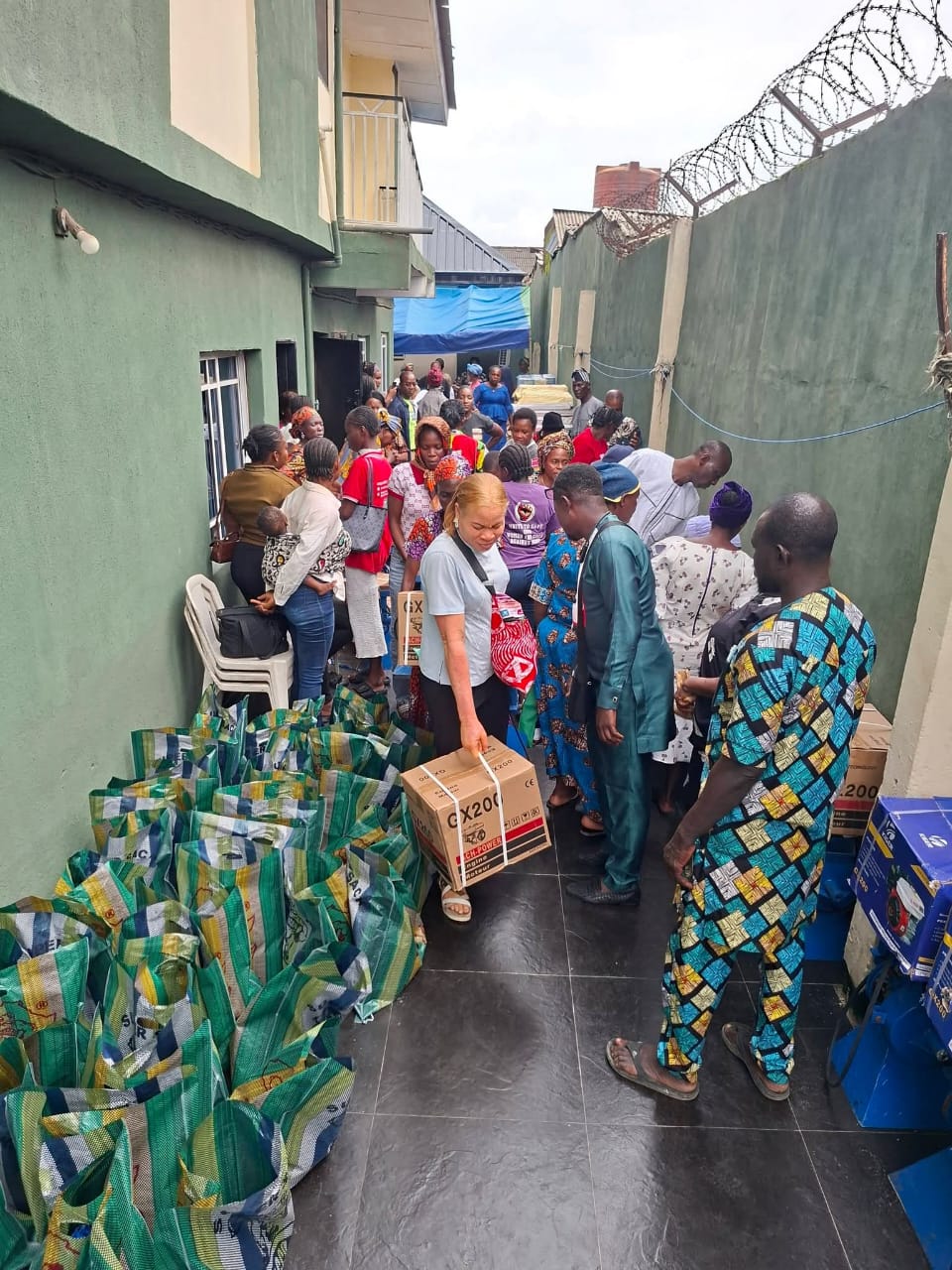
In ensuring inclusiveness, beneficiaries included persons with disabilities – visual impairments, hearing impairments, albinism among others.
In his remarks, Otufodunrin described the initiative as part of a continuum of CEE-HOPE’s empowerment efforts. He recalled Abah’s journalism days: “Among journalists, we called her Mother Teresa for her devotion to women and children.”
He urged beneficiaries to multiply whatever they received. “It may not be as much as you expected, but accept it and grow it—so we can all fulfill our purpose.”
Sophi Mbanisi, founder of Healing Hearts Foundation, lauded Abah’s selflessness and consistency. She cited instances where Abah nominated girls for high-stakes opportunities with no preference for friends or relatives. “It takes a lion heart—and God’s help—to do what Betty is doing,” she said, urging beneficiaries to treat the opportunity with seriousness.
Other speakers, including Dr. Monday Michaels Ashibogwu, charged the women to use the support as a launchpad—to build resilient livelihoods and transform their families’ futures.
The attendees were treated to a beauty and make-up session, as well as distribution of food items and fruits.


