



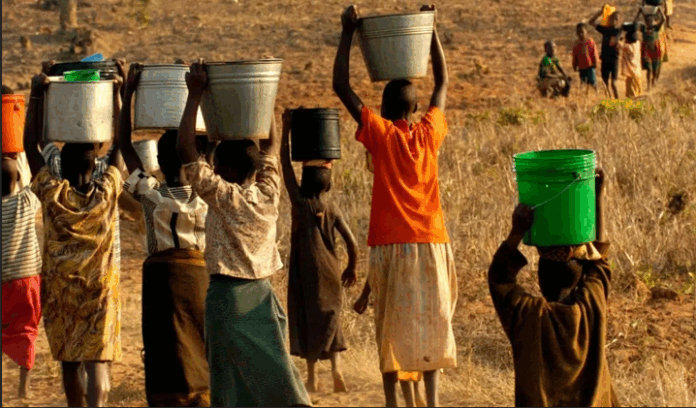
ILO reiterates 138m children still in child labour, wants parents supported and to have access to decent work to provide for families
By Jeph Ajobaju, Chief Copy Editor
Nearly 138 million children were engaged in child labour in 2024, a figure that has spilled over to 2025, the International Labour Organisation (ILO) has alerted in the celebration of World Day Against Child Labour.
ILO Director Gilbert Houngbo made the point in a message marking the Day at the ongoing 113th Session of the International Labour Conference (ILC) in Geneva, Switzerland.
He said the figure includes about 54 million children in hazardous work likely to jeopardise their health, safety, or development.
In spite of positive trend, he stressed, the world has missed its target of eliminating child labour by 2025.
“This is according to new estimates released today by the ILO and UNICEF and the latest data show a total reduction of over 22 million children since 2020, reversing an alarming spike between 2016 and 2020,” Houngbo explained.
“The findings of the report offer hope and show that progress is possible but parents must themselves be supported and have access to decent work.
“This is so that they can afford to ensure that their children are in classrooms and not selling things in markets or working in family farms to help support their family.”
UNICEF Executive Director Catherine Russell reiterated that progress towards ending child labour is possible.
“This is by applying legal safeguards, expanded social protection, investment in free, quality education, and better access to decent work for adults,” she said.
“According to the data, agriculture remains the largest sector for child labour, accounting for 61 per cent of all cases, followed by services (27 per cent), like domestic work and selling goods in markets, and industry (13 per cent), including mining and manufacturing.”
Russell said to accelerate progress, the UNICEF and ILO want governments to invest in social protection systems, especially for vulnerable households, including universal child benefits so that families do not resort to child labour.
She stressed the imperative to strengthen child protection systems to identify, prevent, and respond to children at risk, especially those facing the worst forms of child labour, among others.
Nigeria’s Labour and Employment Minister Mohammad Dingyadi said his country continues to provide measures to eliminate child labour, reiterating that it is a Pathfinder Country and is intensifying efforts to eradicate child and forced labour.
“We are reviewing national legislations, building capacities, strengthening capacities and implementing community best programmes, as well as rescue and rehabilitate vulnerable children,” he added.
Nigeria Employers and Association (NECA) Director General Adewale-Smatt Oyerinde sought accelerated action to eliminate child labour in Nigeria and across Africa.
He said millions of Nigerian children engage in dangerous work, sacrificing their health, education, and future potential.
Read also:


