



CACOL to FG: Implement more robust policies to cushion economic hardship
By Onyewuchi Ojinnaka
A Lagos based human rights/anti-Corruption organisation, the Center for Anti-Corruption And Open Leadership (CACOL)in collaboration with the Committee for the Defence of Human Rights, on Thursday called on the Federal Government to implement more robust policies to cushion the economic effects on vulnerable Nigerians.
The organisation posited that reduction in the prices of fuel, cooking gas and transportation would make more significant impacts in the lives of the people than endless arbitrary cash transfers to the citizens which is shrouded in secrecy.
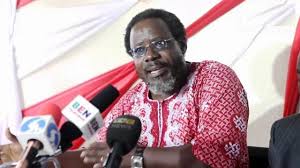
The call was made by the President /Chairman of the organisation, Comrade Debo Adeniran in an organised press conference on ‘the State of the Nation’ held at Rights House, Ikeja.
The organisation noted that though the removal of fuel subsidies was necessary for fiscal stability, but it has led to increased living costs for the average Nigerian.
“Rising inflation, coupled with stagnant wages, has pushed many families into deeper poverty while palliative measures which was introduced, had remain insufficient”.
During the press conference, the organisation reviewed progress and failures recorded in key sectors of the economy and government policies made for the benefit and or detriment to the citizens.
Key areas reviewed at the conference on the State of the Nation are: Infrastructural Development, Economic Diversification, Security, Healthcare and Education, Environmental Challenges, Corruption, Politics, Increase in Tariffs, Freedom of Expression and Media, the new Tax reforms, Aviation, Internal wranglings in political parties and Policy Reforms.
On Infrastructural development, the organisation commended the Federal Government on progress so far made, particularly with the completion of some road projects, rail lines, and bridges.
“Projects such as the rehabilitation of the Lagos-Ibadan and Lagos-Abeokuta expressways and the second Niger Bridge stand as testaments to the government’s commitment to improving the nation’s infrastructure. These projects have enhanced connectivity and hold the potential to stimulate economic growth”.
However, Adeniran noted that there are several other federal roads that are still in bad shapes such as the East-West road which is still not completed,
He opined that completion of the East-West road should have been prioritized before embarking on the Lagos-Calabar highway.
Also several states in the country have not been linked by rail network.
It is the duty of the government to upgrade, rehabilitate and maintain roads in order to reduce the risk of accidents and explosions, thereby ensuring safety on our roads, he stated.
On security gains, he said that the government has made some achievements in certain areas in the fight against insecurity, such as degrading the activities of insurgents in parts of the northeast.
He cited the Nigeria’s Defence Headquarters ((DHQ) recent claim that its troops decimated 86 terrorists in various theatres of operation across the country. noting that their operations resulted in 86 neutralised terrorists with 101 of them arrested.
“However, despite the gains made in some regions, insecurity remains a major challenge in Nigeria. Banditry, kidnappings, and communal clashes have continued to plague many states, particularly in the northwest and central regions”
“Citizens are living in fear, and the government must intensify efforts to address the root causes of insecurity, including poverty, unemployment, and weak intelligence gathering”.
Speaking on healthcare and education, the organisation held that health and education sectors have continued to suffer from underfunding and poor management. It stated that the recent spate of strikes by doctors and lecturers are as a result of neglect of these critical sectors.
“Urgent attention is required to improve funding, infrastructure, and working conditions to ensure access to quality healthcare and education for all Nigerians”
“The exodus of doctors, nurses, pharmacists, and other healthcare professionals has left many hospitals and clinics understaffed. Nigeria is losing trained professionals faster than they can be replaced, leading to a widening gap in service delivery”
Speaking on environmental challenges, Adeniran said that the devastating impact of flooding in many parts of the country has exposed the government’s inadequate disaster preparedness and response. There is therefore an urgent need for better environmental policies, flood management systems, and support for affected communities to mitigate future disasters.
Corruption remains a significant challenge in Nigeria, permeating various sectors, including the executive, legislative, and judicial branches of government, as well as the private sector.
Although, the Nigerian government has implemented several measures to combat corruption such as establishment of Anti-Corruption agencies, E-Governance Initiatives, Treasury Single Account (TSA), Integrated Personnel Payroll Information System (IPPIS), Government Integrated Financial and Management Information System (GIFMIS), Biometric Verification Number (BVN) among others, the spate of corruption has not been curtailed in the country, Adeniran stated.
“Even within the Anti-graft agency, it is disheartening to hear that the Economic and Financial Crimes Commission, EFCC, is also enmeshed in another internal scandal as an officer in charge of Kaduna Zonal Office’s exhibit room allegedly absconded with over $30,000 and other valuable exhibits”.
“We are aware of the International Collaboration and Asset Recovery which has been sowing good fruits for the country by helping us to recover assets linked to corrupt practices. We believe that there is still need for continuous reforms and the strengthening of institutions to effectively combat corruption and foster sustainable development in the country”.
Speaking on Freedom of Expression and Media, the organisation lamented that authorities have intensified a crackdown on critics and journalists which is marked by numerous instances of abductions, unlawful arrests, and detention.
Recommendations
The organisation noted that the government has shown that progress is possible with the right policies and determination. However, much remains to be done to address the challenges that continue to hinder Nigeria’s development.
“We urge the government to adopt a holistic approach to security that involves community participation and intelligence-driven operations, expand social safety nets and create more sustainable palliative measures to alleviate economic hardship.
“Prioritize healthcare and education by increasing budgetary allocations and addressing systemic inefficiencies.
“Strengthen environmental policies and improve disaster management strategies to safeguard lives and property.
”Improved working conditions by increasing salaries and provide better welfare packages for healthcare and education professionals to make local opportunities more attractive.
“Invest in modern facilities and equipment for hospitals and schools.
“Offer robust professional development programs and opportunities for advancement to retain skilled workers.
“Create initiatives to encourage Nigerians in the diaspora to return home and contribute to national development.
“Enact policies that address systemic corruption and inefficiencies in these sectors to build trust and confidence in the system.
On the increase in telecommunication tariffs, we recommend implementation of tiered pricing models to cater to different income levels of the subscribers.
Improve service quality to justify the tariff hike and subsidize access for underserved communities to maintain inclusivity.
The organisation urged all Nigerians to play their part in nation-building by holding the leaders accountable, engaging in constructive dialogue, and fostering unity..


