


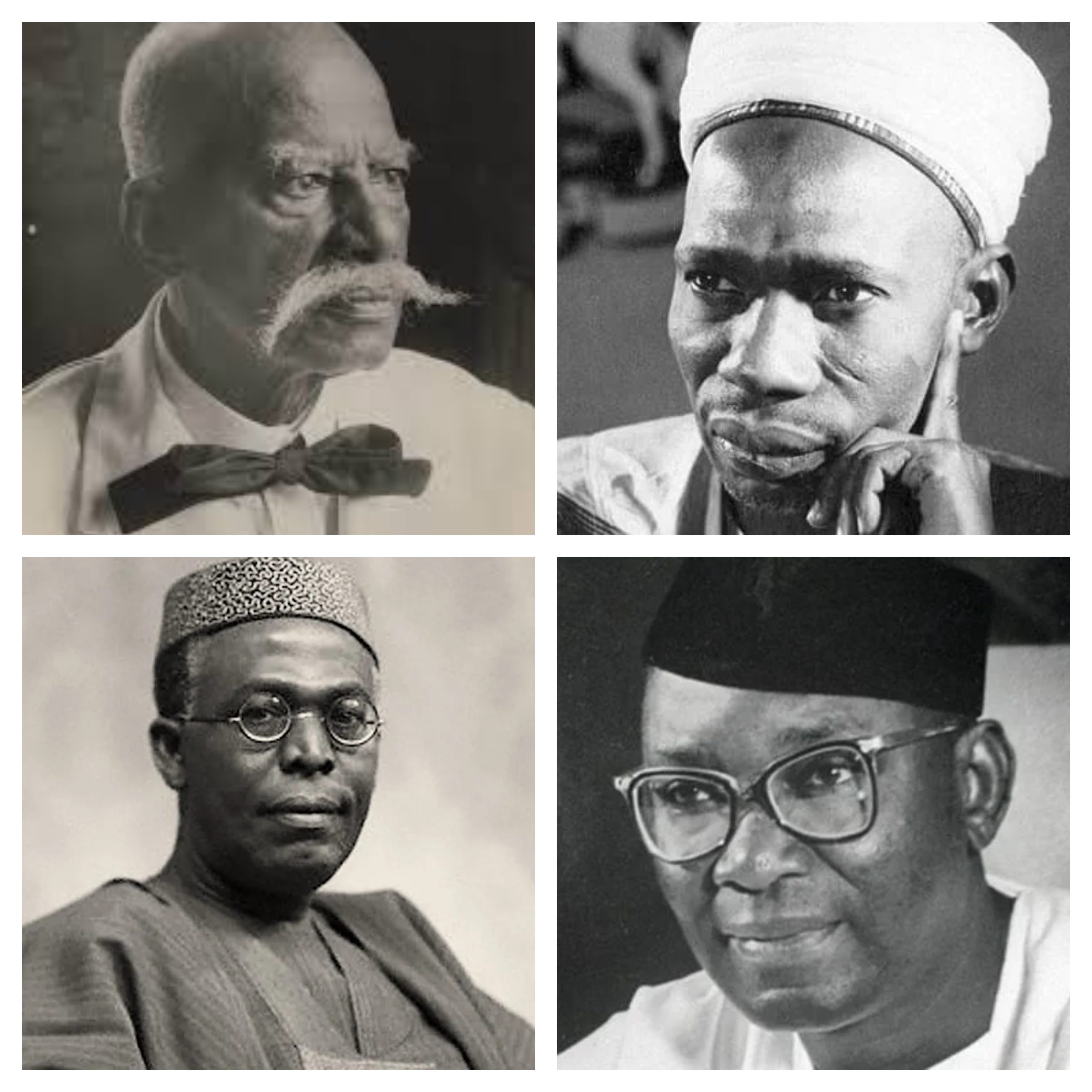
65th Independence anniversary: Meet the heroes who fought for Nigeria’s liberation
By Habiba Kaita
On October 1, 1960, Nigeria gained its freedom from British rule and became an independent nation. The flag of the British; the Union Jack was lowered and the Green-White-Green flag as we know it today was raised for the very first time.
This powerful moment at Tafawa Balewa Square marked the rebirth of our Nation, Nigeria.
Nigeria’s independence was not something that happened overnight, it was a result of decades of political struggle, negotiations, protests and the efforts of nationalists who believed Nigeria deserved to be free and independent.
In the early 1900s, a strong sense of nationalism began to grow, especially among educated Nigerians, activists and traditional rulers. They spoke out against the British government and demanded for the political rights of Nigerians.
In 1929, the Aba Women’s Riot challenged unfair taxation, while the 1945 General Strike united workers, demanding better wages, providing strength of organized resistance. The struggle for independence grew its backbone from ordinary citizens, farmers, traders, men, women, they all grew restless.
The efforts of Nigerians were not in vain, gradual reforms such as the 1946 Richards Constitution, 1951 Macpherson Constitution and 1954 Lyttleton Constitution, gave Nigerians more political influence and laid the foundation for a federal system of government but the dream for freedom was kept alive by the patriots and nationalists.
Nigeria’s independence was driven by visionary leaders and the sacrifices of its people, who transformed resistance into a united movement.
As the Giant of Africa turns 65, let’s take a look back at the pioneers who paved the path for our great nation.
Herbert Macaulay
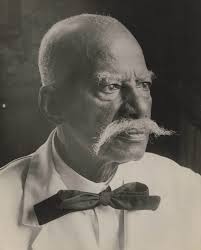
In 1923, Herbert Macaulay, often called the father of Nigerian nationalism, founded the Nigerian National Democratic Party (NNDP), the country’s first political party and this gave Nigerians a formal political platform for the first time. Through his co-owned newspaper, “Lagos Daily News”, Macaulay gave voice to the frustrations of Nigerians living under colonial rule.
The newspaper spoke out against the unfair taxes, racial discrimination and land seizures. Macaulay’s writing laid the foundation that would be carried by later nationalist leaders towards the struggle for independence.
Nnamdi Azikiwe
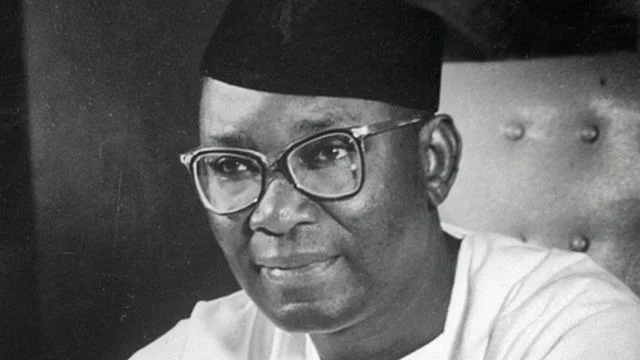
During the 1930s and 1940s, Dr. Nnamdi Azikiwe became one of the most prominent figures pushing for Nigeria’s freedom from British rule. He used the newspaper, “The West African Pilot” to spread nationalist ideas across the country. Through this medium, he told Nigerians that freedom was not only possible but also necessary, causing sparks of political awareness among ordinary people.
In 1944, he co-founded the National Council of Nigeria and the Cameroons (NCNC), which quickly became the strongest political group for independence.
Obafemi Awolowo
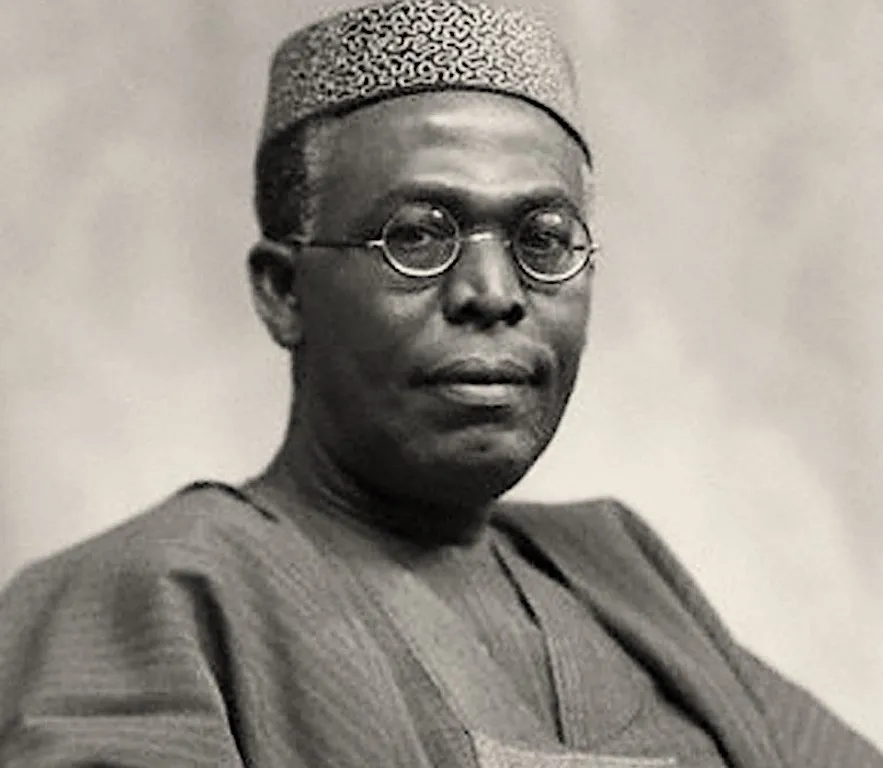
As premier of the Western region, Chief Obafemi Awolowo was not only the founder of Action Group (AG) in 1951, but also introduced groundbreaking reforms such as the launch of Nigeria’s first free universal primary education program in 1955. A brilliant lawyer and organizer, Awolowo pushed for federalism with the belief that the many ethnic groups in Nigeria could only thrive under a system that gave them measured autonomy.
Ahmadu Bello
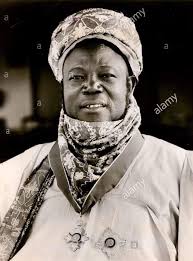
Known as the “Sardauna of Sokoto”, Sir Ahmadu Bello, the premier of the Northern region and leader of the Northern People’s Congress (NPC) promoted education, encouraged political participation in the North, while also contributing to the goal of national independence, emphasizing unity between the regions. Working closely with him was Sir Abubakar Tafawa Balewa, a former teacher who ventured into politics.
Tafawa Balewa
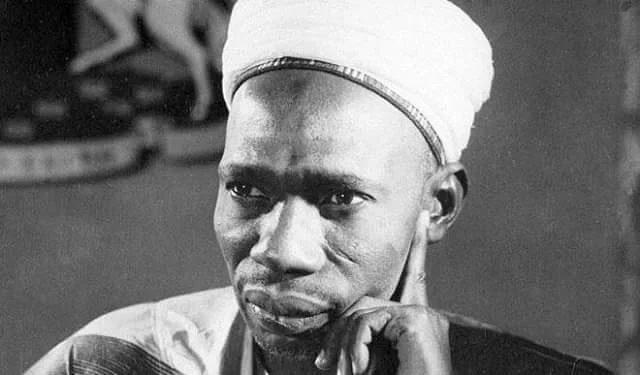
Balewa, often called the “Golden Voice of Africa”, was not only a nationalist but also a gifted orator, who spoke calmly but boldly and inspired many with his speeches. His leadership and commitment eventually led to him being appointed as the first and only prime minister of Nigeria in 1960, successfully managing the country’s transition from colonial rule to independence.
Anthony Enahoro
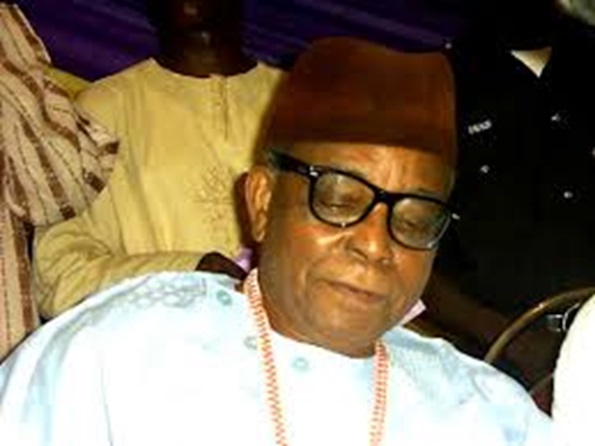
In March 1953, Anthony Enahoro, then a young member of the House of Representatives, became the first noted Nigerian to move the motion for independence, calling for Nigeria to gain self-rule by 1956. The motion was defeated and this marked a turning point. A popular movement was started, known as the “Self-Government Crisis of 1953.” The British rulers could no longer ignore the demands for independence which was fueled by Enahoro’s failed motion.
The final push that produce the Independence
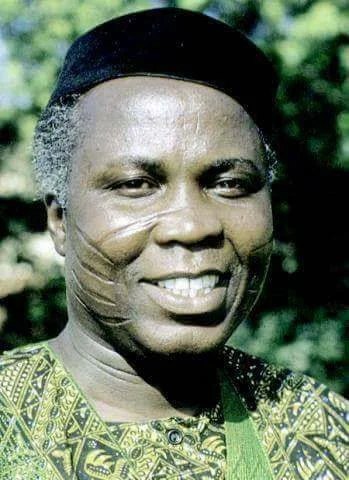
In 1957, S. L. Akintola revisited the motion, and while it passed in parliament, the British refused to accept it. Again in 1958, Remi Fani-Kayode pressed for independence to be granted by April 1960; though parliament approved, the colonial authorities still held back.
Finally, in 1959, Sir Abubakar Tafawa Balewa introduced a motion that carried decisive weight. Sustained nationalist pressure left the British with little choice, and by 1960, the governor announced that Nigeria would become independent. On October 1st of that year, the long-awaited dream was fulfilled.
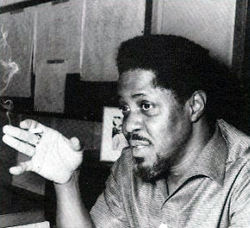
Though they came from different regions and often held different views, these nationalists shared one unshakable goal: freedom for Nigeria. Their sacrifices, debates, and bold actions ensured that the voices of ordinary Nigerians could no longer be ignored. 65 years later, we remember their courage and honor the journey they began.
Happy Independence Day to Nigeria, the Giant of Africa.

